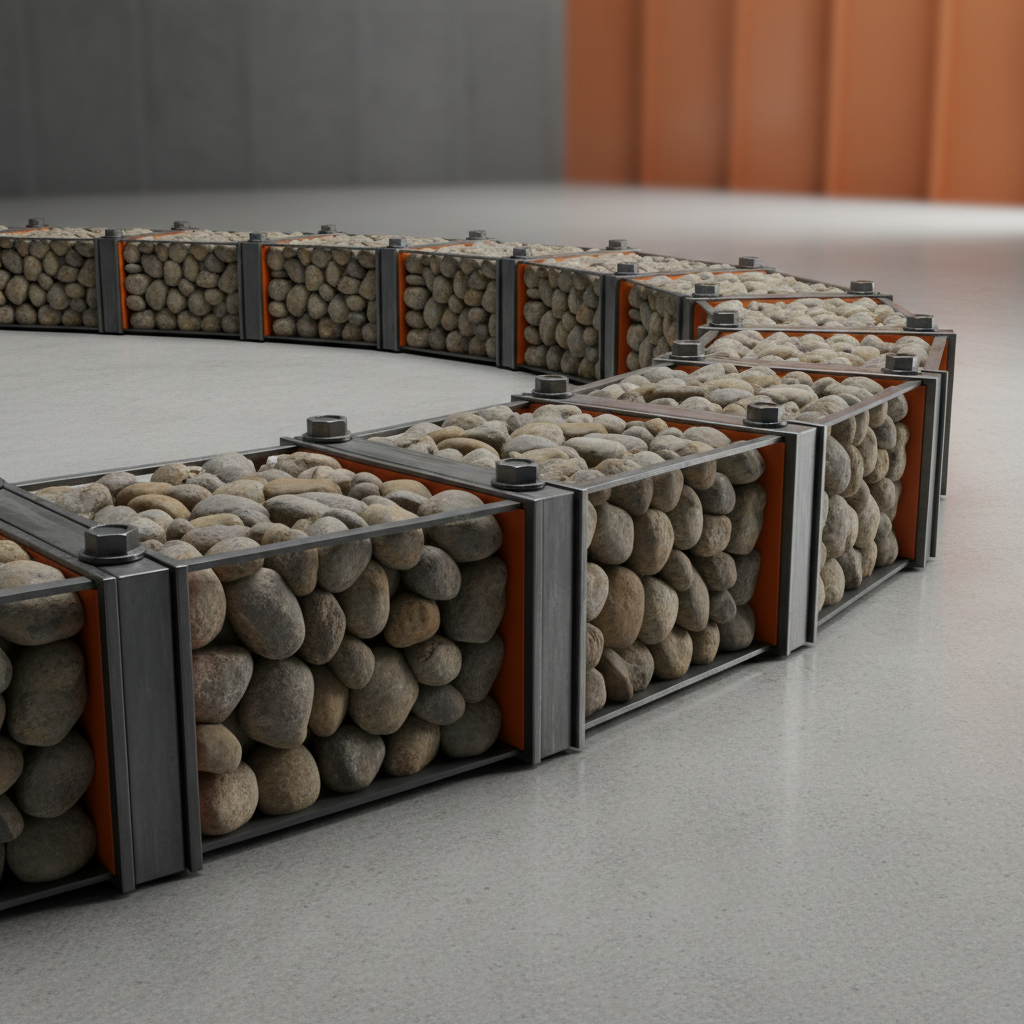
Cobblestone, a time-honored paving material, extends far beyond its aesthetic appeal. From ancient Roman roads to modern pedestrian walkways, its enduring presence speaks to its inherent resilience and practical advantages. Understanding the construction, applications, and evolution of cobblestone is crucial for urban planners, architects, and anyone interested in sustainable infrastructure solutions. The versatility of cobblestone continues to find new applications, addressing contemporary needs for durable, visually appealing, and environmentally conscious construction materials.
Globally, the demand for robust and aesthetically pleasing paving solutions is rising, driven by urbanization and a renewed focus on preserving historical character. While modern materials offer alternatives, cobblestone maintains a unique position due to its longevity and visual charm. According to UNESCO, preserving historic urban landscapes – often featuring cobblestone streets – is vital for cultural heritage and tourism. This demand, coupled with a growing awareness of sustainable construction practices, ensures a continued relevance for cobblestone in diverse contexts.
Cobblestone, in its simplest form, comprises naturally rounded stones carefully fitted together to create a durable surface. Traditionally, these stones were gathered from riverbeds or quarried, though modern production often utilizes shaped stones for more precise installation. Its enduring appeal stems not just from its robustness, but from its inherent connection to history and a sense of place – qualities increasingly valued in modern urban design. This traditional material continues to find new relevance in modern infrastructure projects seeking both durability and aesthetic appeal, bridging the gap between historical preservation and contemporary construction needs.
The Historical Development of cobblestone
The story of cobblestone is deeply intertwined with the development of civilization itself. Its origins can be traced back to ancient Rome, where meticulously laid stone streets formed the backbone of the empire’s extensive road network. These early cobblestone roads, built to withstand heavy traffic and varying weather conditions, demonstrated the inherent durability of the material.
Throughout the Middle Ages and the Renaissance, cobblestone continued to be the preferred paving material for European cities, contributing to their unique character and enduring charm. From the narrow streets of medieval towns to the grand boulevards of Renaissance capitals, cobblestone witnessed centuries of history unfold beneath its surface. The careful craftsmanship involved in laying cobblestone streets also fostered a strong sense of community and civic pride.
Defining cobblestone and Its Modern Relevance
Cobblestone, fundamentally, refers to natural paving stones, typically rounded and varying in size, meticulously arranged to create a durable and aesthetically pleasing surface. Unlike precisely cut paving stones, cobblestones retain their natural form, contributing to their unique texture and visual appeal. This natural variation is a key characteristic that distinguishes cobblestone from other paving materials.
Today, cobblestone’s relevance extends beyond historical preservation. Architects and urban planners are increasingly incorporating cobblestone into modern designs for pedestrian walkways, plazas, and even driveways. This resurgence is driven by a desire to create spaces that evoke a sense of history, authenticity, and timeless beauty.
Its connection to modern industry stems from the need for sustainable and durable infrastructure. As cities strive to balance functionality with aesthetic appeal, cobblestone offers a compelling solution. Furthermore, its permeability contributes to better stormwater management, a crucial aspect of sustainable urban development, making it relevant to contemporary humanitarian needs concerning resilient infrastructure.
Core Components of Effective cobblestone Implementation
Successful cobblestone installation hinges on several critical components, beginning with the proper base preparation. A well-compacted sub-base, typically consisting of layers of gravel and sand, provides a stable foundation that prevents settling and ensures long-term durability. This foundation is paramount to prevent uneven surfaces and costly repairs.
The selection of appropriate cobblestone materials is equally crucial. The type of stone – granite, basalt, or limestone – influences the stone’s color, texture, and resistance to wear and tear. Considering the local climate and intended use is vital when choosing the right cobblestone for a specific project. For example, granite is exceptionally durable and suitable for high-traffic areas, while limestone offers a warmer aesthetic for pedestrian walkways.
Finally, skilled installation is essential. Proper setting techniques, including careful stone placement and the use of appropriate jointing materials, contribute significantly to the overall quality and longevity of the cobblestone surface. The art of cobblestone laying requires patience, precision, and a deep understanding of the material's characteristics.
The Durability and Longevity of cobblestone
The inherent durability of cobblestone is perhaps its most significant advantage. Unlike many modern paving materials, cobblestone is exceptionally resistant to weathering, wear, and tear. Its ability to withstand heavy loads and extreme temperatures makes it an ideal choice for high-traffic areas and harsh climates.
Consider the centuries-old cobblestone streets still in use today – a testament to their enduring quality. This longevity translates into lower lifecycle costs, as cobblestone surfaces require less frequent maintenance and replacement compared to asphalt or concrete. This inherent resilience makes cobblestone a sustainable and economically sound choice for long-term infrastructure investments.
Cobblestone Durability Comparison
Global Applications of cobblestone in Infrastructure
Cobblestone’s versatility extends across a wide range of global applications. In Europe, it remains a dominant paving material in historic city centers, meticulously preserved and cherished for their aesthetic appeal. Cities like Rome, Prague, and Bruges showcase stunning examples of cobblestone streets that attract millions of tourists each year.
Beyond Europe, cobblestone is finding increasing use in North America, particularly in pedestrian zones and urban revitalization projects. Its ability to create charming and walkable environments makes it an attractive option for developers and city planners. In post-disaster relief operations, cobblestone offers a robust and relatively easy-to-install paving solution for temporary infrastructure.
Even in remote industrial zones, its durability offers a sustainable alternative to more fragile paving materials. For example, port facilities and heavy-duty traffic areas benefit from the inherent strength and load-bearing capacity of a properly laid cobblestone surface.
Advantages and Long-Term Value of Using cobblestone
The advantages of using cobblestone are multifaceted. From a cost perspective, while the initial installation may be higher than some alternatives, its long lifespan and minimal maintenance requirements translate into significant long-term savings. The durability and resilience of cobblestone minimize the need for frequent repairs and replacements, reducing lifecycle costs.
Environmentally, cobblestone is a sustainable choice. Its natural materials have a lower carbon footprint than many manufactured paving products. Its permeability aids in stormwater management, reducing runoff and protecting water resources. Furthermore, using locally sourced cobblestone can support regional economies and reduce transportation costs.
Future Trends and Innovation in cobblestone Technology
The future of cobblestone lies in integrating traditional techniques with modern innovations. Advancements in stone cutting and shaping technologies are enabling more precise and efficient installation methods. New jointing materials are enhancing the stability and longevity of cobblestone surfaces, while also minimizing weed growth.
Furthermore, research into permeable cobblestone systems is yielding promising results. These systems allow for improved stormwater management, reducing the risk of flooding and enhancing urban sustainability. The integration of smart technologies, such as embedded sensors for monitoring traffic patterns and surface conditions, is also on the horizon.
The growing demand for green infrastructure and sustainable construction practices will undoubtedly drive further innovation in cobblestone technology, ensuring its continued relevance in the 21st century and beyond.
Analysis of Cobblestone Implementation Factors
| Implementation Stage |
Critical Success Factor |
Potential Challenges |
Mitigation Strategies |
| Site Preparation |
Proper Compaction & Drainage |
Poor Soil Conditions, Waterlogging |
Geotextile Fabric, Sub-Base Reinforcement |
| Material Selection |
Stone Durability & Aesthetics |
Material Availability, Cost Fluctuations |
Sourcing Local Materials, Long-Term Contracts |
| Stone Laying |
Precise Stone Placement & Jointing |
Skilled Labor Shortage, Weather Delays |
Training Programs, Weather Protection |
| Joint Stabilization |
Effective Jointing Material |
Weed Growth, Erosion |
Polymeric Sand, Regular Maintenance |
| Post-Installation Maintenance |
Regular Cleaning & Inspection |
Stone Displacement, Joint Degradation |
Prompt Repair, Re-sanding |
| Permeability Management |
Maintaining Drainage Capacity |
Sediment Accumulation, Clogging |
Regular Vacuuming, Filter Installation |
FAQS
Cobblestone offers significant advantages in durability, longevity, and aesthetic appeal compared to asphalt or concrete. While the initial installation cost may be higher, cobblestone requires less frequent maintenance and replacement, resulting in lower lifecycle costs. Furthermore, its natural materials and permeability contribute to environmental sustainability, addressing growing concerns about stormwater management and carbon footprint. Its classic appearance also adds a unique charm and character to any space.
The type of stone significantly influences cobblestone performance. Granite is exceptionally durable and resistant to wear, ideal for high-traffic areas. Basalt offers a similar level of strength with a darker aesthetic. Limestone, while less durable, provides a warmer, more traditional look and is suitable for pedestrian walkways. Selecting the right stone depends on the anticipated load, local climate, and desired visual outcome. Understanding these differences ensures optimal long-term performance.
A properly installed and maintained cobblestone surface can last for centuries. Many historic cities still feature cobblestone streets laid hundreds of years ago, demonstrating its exceptional longevity. While some minor repairs may be necessary over time, a well-constructed cobblestone surface requires minimal intervention, far exceeding the lifespan of asphalt or concrete pavements. Regular cleaning and occasional re-sanding of joints are typically sufficient to maintain its integrity.
Building codes and regulations regarding cobblestone installation vary depending on local jurisdictions. Generally, permits are required for any significant paving work, and there may be specific requirements related to drainage, accessibility, and surface stability. It's essential to consult with local building authorities before starting any cobblestone project to ensure compliance with applicable regulations. Considerations often include ADA accessibility standards.
Cobblestone's permeability allows rainwater to infiltrate the ground, reducing stormwater runoff and alleviating strain on municipal drainage systems. This contributes to improved water quality and reduces the risk of flooding. Using locally sourced cobblestone minimizes transportation costs and carbon emissions, further enhancing its sustainability. Its durability and longevity reduce the need for frequent replacements, minimizing waste and resource consumption.
Routine cobblestone maintenance includes regular sweeping to remove debris and periodic re-sanding of joints to maintain stability and prevent weed growth. Occasional power washing can help remove stubborn dirt and stains. Depending on traffic and climate conditions, more extensive repairs, such as replacing loose or damaged stones, may be necessary every few years. Proactive maintenance extends the lifespan of the surface and preserves its aesthetic appeal.
Conclusion
From its ancient origins to its modern resurgence, cobblestone has proven to be a remarkably durable, aesthetically pleasing, and sustainable paving material. Its longevity, coupled with its inherent beauty and environmental benefits, makes it an ideal choice for a wide range of applications, from historic preservation to contemporary urban design. Embracing cobblestone isn't simply choosing a paving material; it's investing in a legacy of quality and timeless elegance.
Looking ahead, continued innovation in materials, installation techniques, and stormwater management systems will further enhance the versatility and sustainability of cobblestone. As we prioritize resilient infrastructure and aesthetically pleasing environments, cobblestone is poised to remain a cornerstone of urban landscapes for generations to come. Visit our website at cobblestone to explore our selection and discover how we can bring the enduring charm of cobblestone to your next project.