Integrating cobblestone gravel into modern architectural and landscaping projects offers a unique synthesis of historical aesthetics and contemporary durability. As urban centers seek more permeable and visually appealing paving solutions, the demand for high-quality mineral aggregates has surged, making the understanding of these materials essential for engineers and designers alike.
Beyond mere decoration, the use of cobblestone gravel serves critical functional purposes, including effective stormwater management and the creation of high-load bearing surfaces. By balancing porosity with structural integrity, this material addresses the growing need for sustainable infrastructure that can withstand heavy traffic while reducing the urban heat island effect.
Understanding the nuances of material selection, installation techniques, and long-term maintenance of cobblestone gravel allows stakeholders to maximize the lifespan of their investments. This guide explores the global industrial context, technical specifications, and innovative applications that make this non-metallic mineral product a cornerstone of modern exterior design.
Global Industrial Context of Cobblestone Gravel
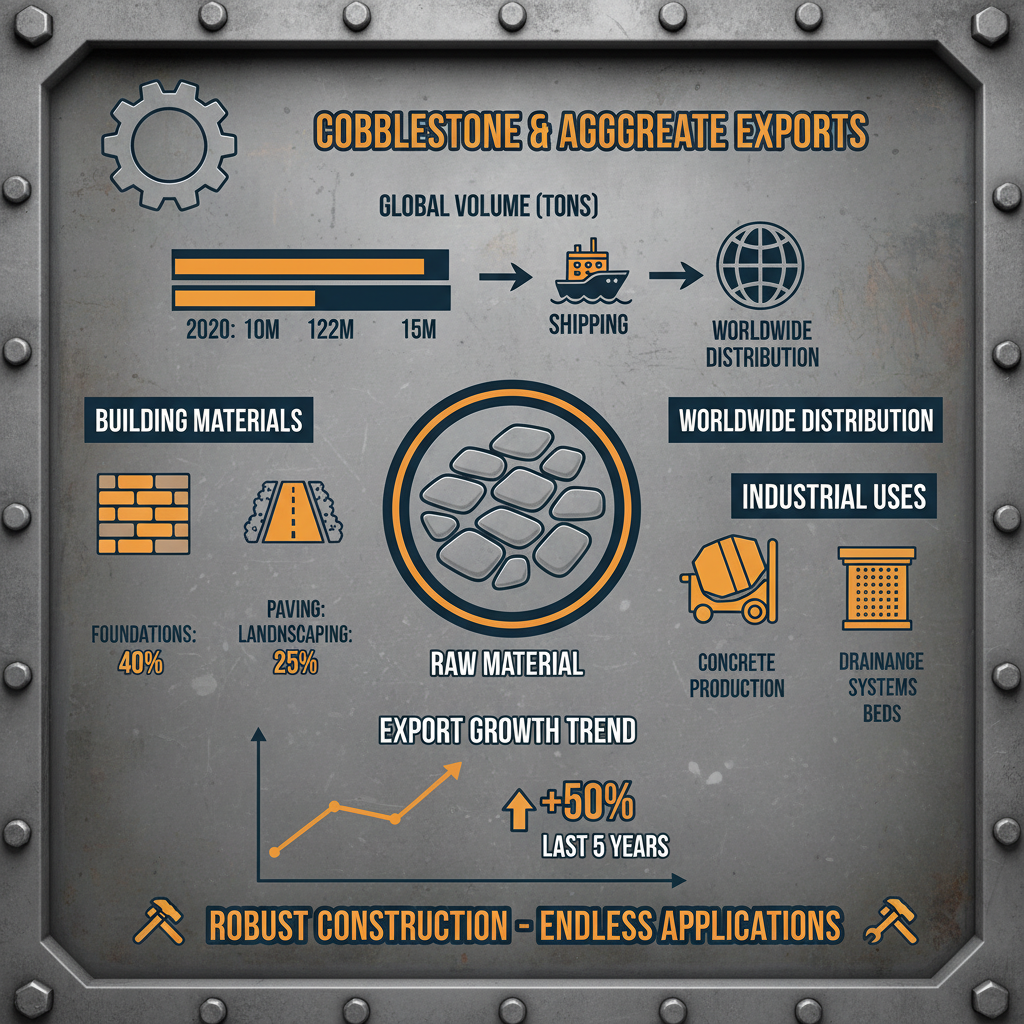
The global market for non-metallic mineral products has seen a significant shift toward high-performance aggregates. According to industry trends aligned with ISO standards for construction materials, cobblestone gravel has transitioned from a traditional European street staple to a globally recognized solution for high-traffic pedestrian zones and luxury residential driveways.
The primary challenge facing modern urban planning is the conflict between impermeable concrete surfaces and the need for ecological drainage. The industrial adoption of specialized gravel mixtures addresses this by providing a semi-permeable layer that reduces runoff, meeting the stringent environmental guidelines set by international urban development agencies.
Defining the Technical Standards of Cobblestone Gravel
In technical terms, cobblestone gravel refers to a specific grade of crushed or naturally weathered mineral aggregate, characterized by its angularity and size distribution. Unlike standard pea gravel, it is engineered to provide superior interlocking capabilities, which prevents the material from shifting under the weight of vehicular traffic, ensuring a stable and long-lasting surface.
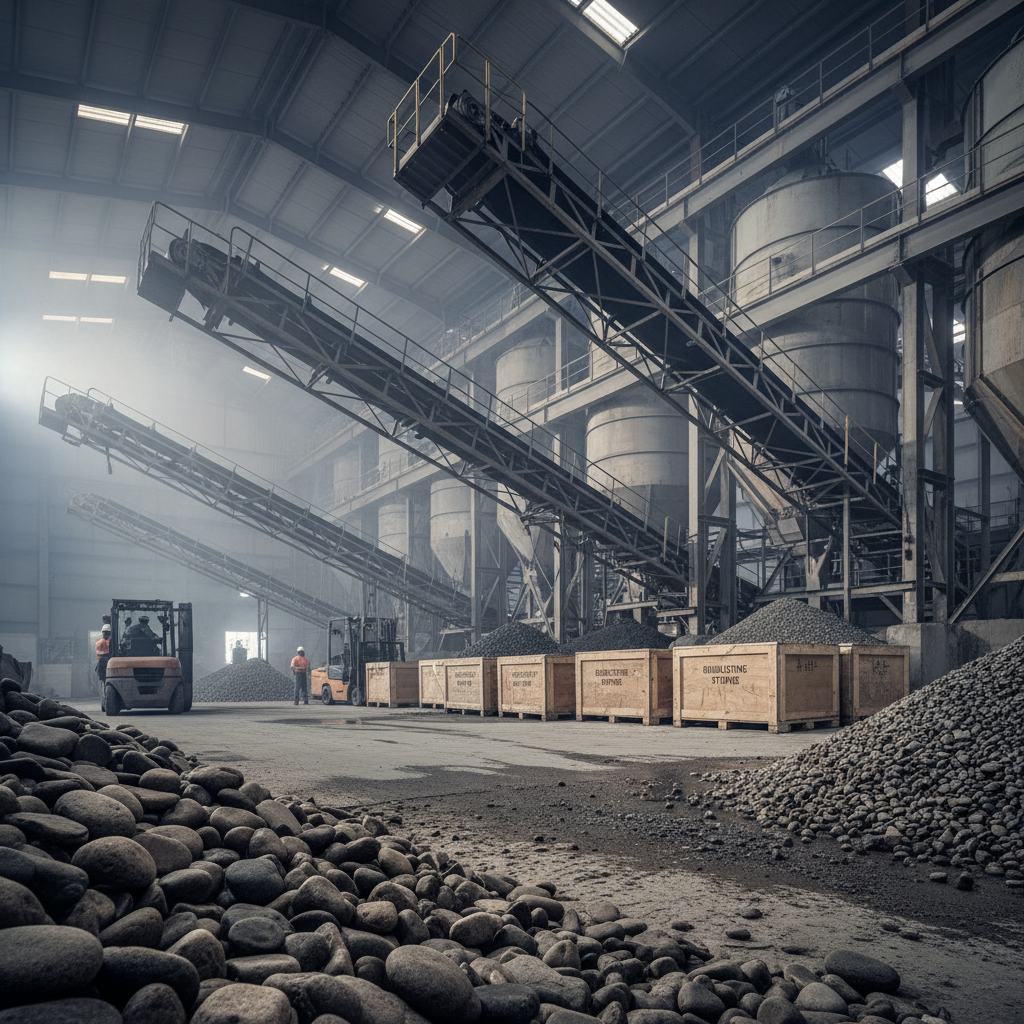
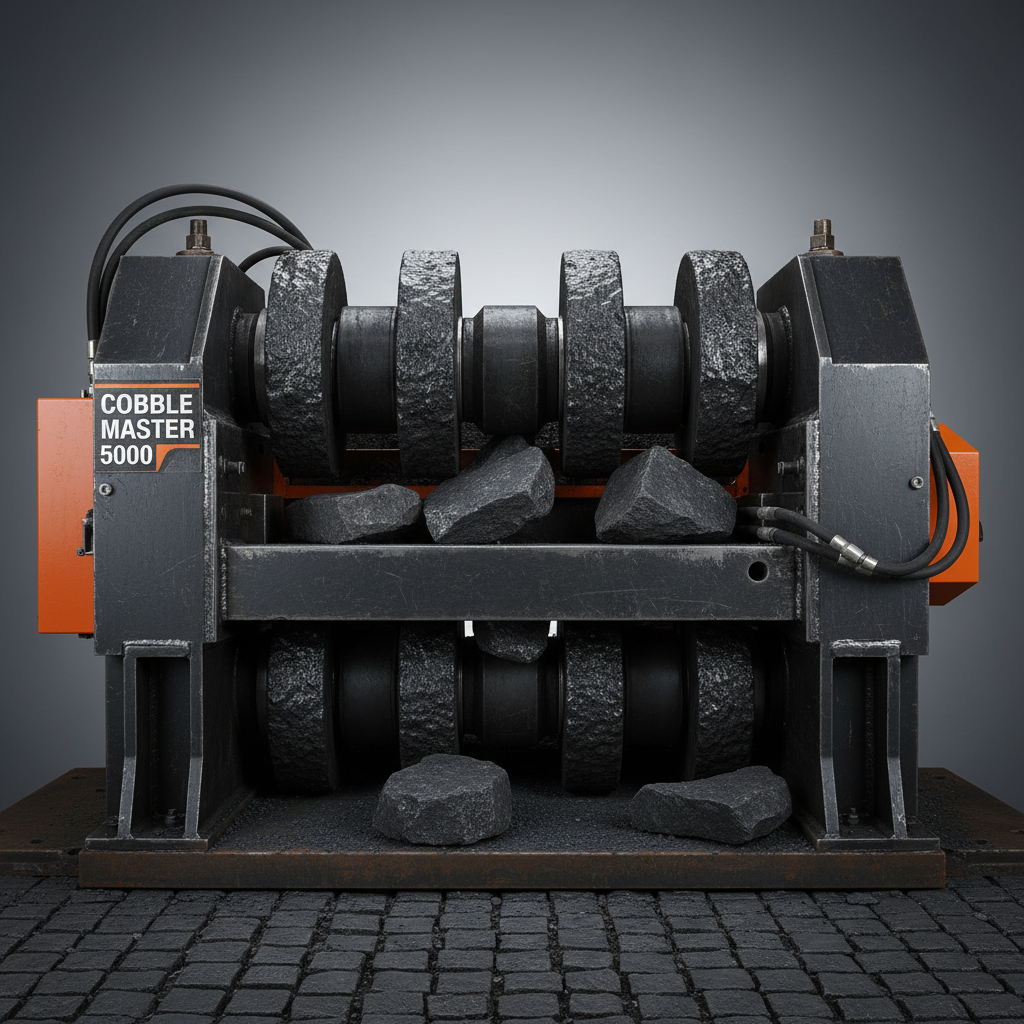
From an industrial perspective, this material falls under the category of "Other Non-Metallic Mineral Products." Its production involves precise crushing and screening processes to ensure that the grain size remains consistent, which is vital for achieving a uniform load-bearing capacity across the entire installation area.
Modern humanitarian and infrastructure projects often utilize these materials in remote zones because they can be sourced locally and installed without the need for complex machinery. This adaptability makes cobblestone gravel an ideal choice for rapid deployment of durable roads in developing regions or disaster-recovery sites.
Core Components of Material Durability
The durability of cobblestone gravel is primarily dictated by the mineral composition of the source rock. High-silica content, typically found in granite or basalt aggregates, ensures that the stones resist abrasion and weathering, allowing the pavement to maintain its structural integrity even in harsh freeze-thaw cycles.
Scalability is another core component; the ability to implement these mineral solutions across vast areas—from small garden paths to massive municipal plazas—depends on the consistency of the aggregate's grading. By utilizing a blend of sizes, the smaller particles fill the voids between larger stones, creating a dense, stable matrix.
Cost-efficiency is achieved through the reduction of long-term maintenance requirements. Because this material allows for localized repairs—where only a small section of the gravel is replaced rather than an entire slab of concrete—the lifecycle cost is significantly lower than traditional paving methods.
Performance Metrics for Practical Application
When evaluating the effectiveness of various paving aggregates, professional engineers look at the "interlock coefficient" and "permeability rate." These metrics determine how well the material distributes weight and how quickly it allows water to penetrate the sub-base, preventing surface pooling and hydroplaning in automotive zones.
The following data illustrates the relative performance of different cobblestone gravel variations based on their intended use-case, highlighting the balance between aesthetic appeal and load-bearing strength.
Performance Comparison of Cobblestone Gravel Types
Global Applications and Regional Use Cases
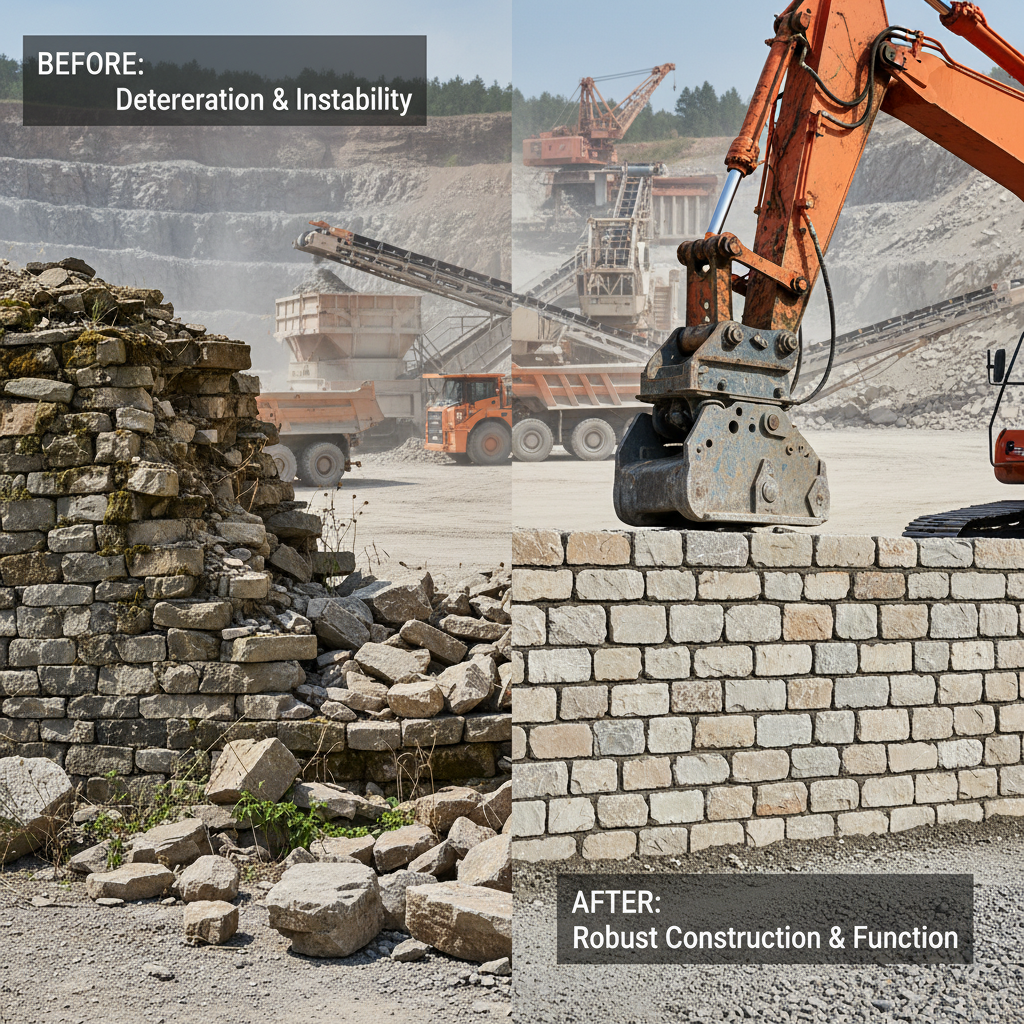
In Europe, cobblestone gravel is widely used in the restoration of historical districts to maintain cultural authenticity while upgrading the underlying drainage systems. These applications often combine traditional hand-laid techniques with modern geotextile fabrics to prevent the stones from sinking into the soil over time.
Conversely, in North American industrial zones, these materials are frequently employed for heavy-duty parking lots and logistics hubs. The ability of the gravel to distribute heavy axle loads makes it a preferred alternative to asphalt in areas where ground shifting is common, providing a flexible surface that does not crack under thermal expansion.
Long-term Economic and Environmental Value
The long-term value of investing in high-grade cobblestone gravel lies in its sustainability profile. Unlike concrete, which has a massive carbon footprint during production, mineral aggregates are largely natural products with minimal processing requirements, aligning with global "green building" certifications.
From a psychological perspective, the use of natural stone textures in urban environments enhances the "walkability" and aesthetic dignity of a space. This creates a sense of trust and permanence, which is often leveraged by luxury commercial developments to signal quality and attention to detail to their clients.
Reliability is the final pillar of its value. Because it does not suffer from the catastrophic failures seen in pavement slabs (such as large-scale cracking), the risk of sudden infrastructure failure is virtually eliminated, ensuring a safe and predictable environment for pedestrians and vehicles alike.
Future Trends in Mineral Paving Innovation
The future of cobblestone gravel is being shaped by the integration of "smart" additives. Researchers are currently testing polymer-coated aggregates that increase friction and reduce dust pollution, making mineral paths safer for disabled access and more hygienic for urban centers.
Automation is also playing a role, with robotic installation systems now capable of laying gravel patterns with millimeter precision. This reduces labor costs and ensures that the optimal density is achieved across the entire surface, maximizing the load-bearing potential of the material.
As digital transformation reaches the construction sector, BIM (Building Information Modeling) is being used to simulate water flow through different gravel gradations before a single stone is laid. This ensures that each project is perfectly tuned to its local climate and soil conditions.
Analysis of Future Cobblestone Gravel Technological Integration
| Innovation Type |
Expected Impact |
Implementation Cost |
Sustainability Score |
| Polymer Coating |
Reduced Dust/Erosion |
Medium |
7/10 |
| BIM Simulation |
Optimized Drainage |
Low |
9/10 |
| Robotic Laying |
Precision Density |
High |
8/10 |
| Recycled Aggregate |
Circular Economy |
Low |
10/10 |
| Permeable Binders |
Increased Stability |
Medium |
8/10 |
| Photo-catalytic Stones |
Air Purification |
High |
9/10 |
FAQS
Cobblestone gravel is specifically graded for size and angularity to promote mechanical interlocking. While standard crushed stone is often used as a base layer, cobblestone gravel is designed for the surface layer, providing a balance of aesthetic appeal and the structural capacity to resist shifting under pressure.
Yes, provided the correct sub-base is installed. When laid over a compacted gravel base and potentially reinforced with a stabilizer grid, it can handle significant vehicular weight without the rutting common in softer aggregates.
The most effective solution is the installation of a high-quality, non-woven geotextile weed barrier beneath the cobblestone gravel. This allows water to permeate while blocking seed germination and preventing the stones from migrating into the soil.
Absolutely. In fact, it is often preferred over rigid concrete in freeze-thaw regions because it is flexible. It can expand and contract without cracking, which significantly reduces the need for winter repairs.
Yes, because cobblestone gravel promotes natural groundwater recharge. By avoiding impermeable surfaces, it reduces the burden on municipal sewer systems and prevents the toxic runoff typically associated with asphalt pavements.
With proper initial grading and occasional "topping up" every few years, a cobblestone gravel surface can last several decades. Unlike asphalt, which must be completely stripped and replaced, gravel only requires minor maintenance to stay pristine.
Conclusion
In summary, cobblestone gravel represents a critical intersection of traditional masonry and modern engineering. By leveraging the natural strengths of non-metallic mineral products—namely durability, permeability, and aesthetic versatility—developers can create infrastructure that is both sustainable and timeless. From the rigorous technical standards of mineral grading to the innovative application of smart additives, this material continues to evolve to meet the demands of 21st-century urbanism.
Looking forward, the shift toward circular economies will likely see a rise in recycled mineral aggregates, further enhancing the environmental profile of these solutions. For those seeking to balance structural reliability with ecological responsibility, investing in high-quality cobblestone gravel is a strategic choice that yields long-term economic and social dividends. Visit our website for more professional insights: www.lsxcigna.com