Basalt cobblestone, a time-honored paving material, is experiencing a renaissance in modern construction and landscaping. Forged from volcanic rock, these durable stones offer a unique aesthetic appeal and exceptional longevity. Understanding basalt cobblestone isn't just about appreciating a beautiful surface; it’s about recognizing a sustainable, resilient, and historically significant building material with applications ranging from pedestrian walkways to durable roadways.
Globally, the demand for sustainable and durable infrastructure is increasing, fueled by urbanization and a growing awareness of environmental impact. Basalt cobblestone provides a compelling alternative to conventional paving materials like asphalt and concrete, offering a reduced carbon footprint and increased lifespan. The robust nature of this stone also addresses the need for resilient infrastructure, particularly in areas prone to extreme weather events or heavy traffic.
From ancient Roman roads to modern European city centers, basalt cobblestone has stood the test of time. Its enduring presence speaks to its inherent strength and versatility. Today, its properties make it an ideal choice for projects prioritizing long-term value, aesthetic beauty, and environmental responsibility. Further exploring its facets, like sourcing and installation, allows for maximized benefits in diverse applications.
The Enduring Legacy of Basalt Cobblestone
The history of basalt cobblestone is deeply intertwined with the development of civilization. Its use dates back millennia, with evidence of its application in Roman roads and medieval European towns. This enduring popularity is a testament to its inherent durability and aesthetic qualities. basalt cobblestone was a cornerstone material for infrastructure that has withstood centuries of wear and tear.
This historic connection continues to influence modern applications. The preference for basalt cobblestone isn't merely nostalgic; it reflects a renewed appreciation for materials that offer both longevity and a timeless visual appeal. Its capacity to imbue spaces with a sense of heritage and character makes it a sought-after choice in contemporary landscaping and urban design projects.
Defining Basalt Cobblestone: Composition and Characteristics
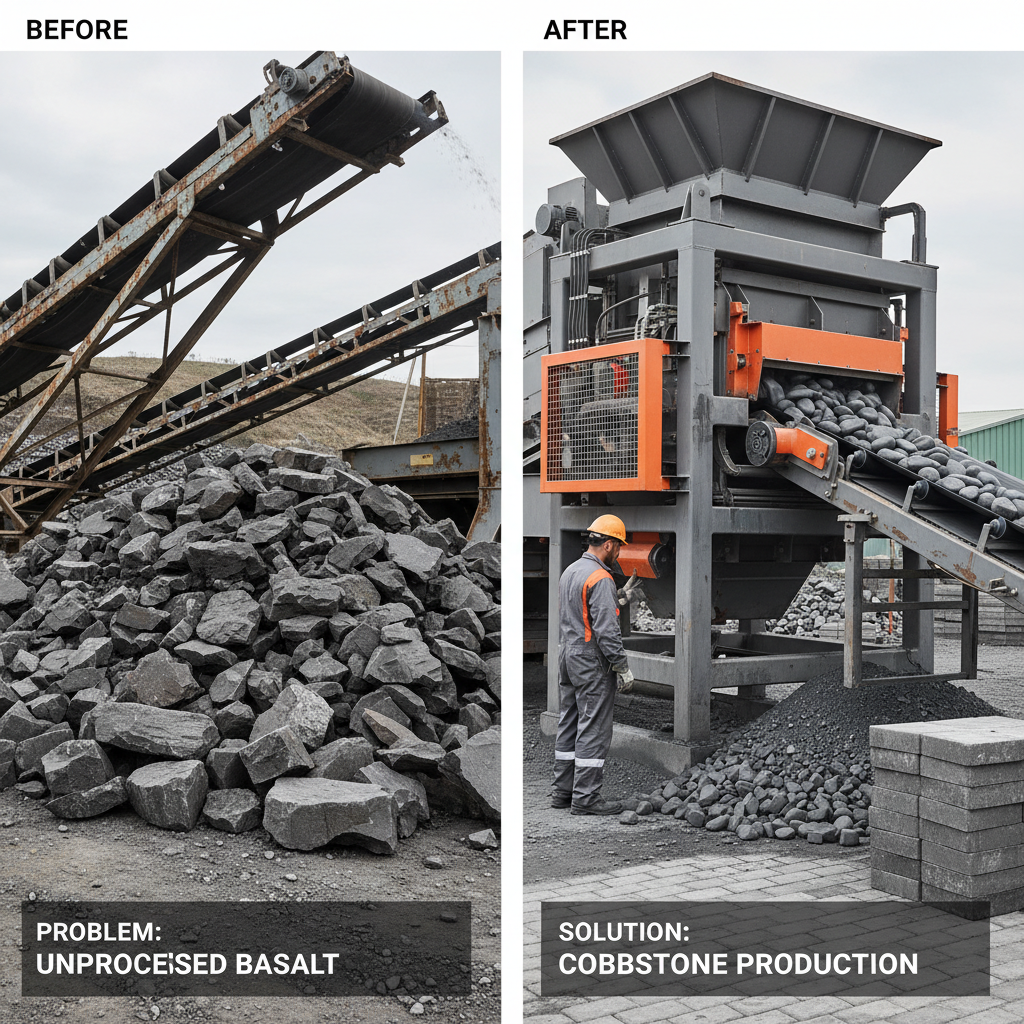
Basalt cobblestone is created from volcanic rock – basalt – a fine-grained, dark, and dense igneous stone. It's formed from the rapid cooling of lava, resulting in a material renowned for its exceptional hardness and resistance to weathering. The “cobblestone” designation refers to the stone's shape: typically rounded or roughly shaped, allowing for interlocking patterns when laid.
The composition of basalt, rich in minerals like plagioclase and pyroxene, contributes to its strength and color variations, ranging from deep grays and blacks to subtle browns and greens. This natural variation adds to its aesthetic appeal, ensuring each installation is unique. The stone's density also translates to excellent load-bearing capabilities, making it suitable for areas with high foot or vehicular traffic.
Understanding the geological origins and inherent properties of basalt is crucial for appreciating its versatility. It is this very composition that links basalt cobblestone to modern industry needs, providing a sustainable and durable building solution applicable in a wide range of contexts, from landscaping to road construction and everything in between.
Core Attributes of Exceptional Basalt Cobblestone
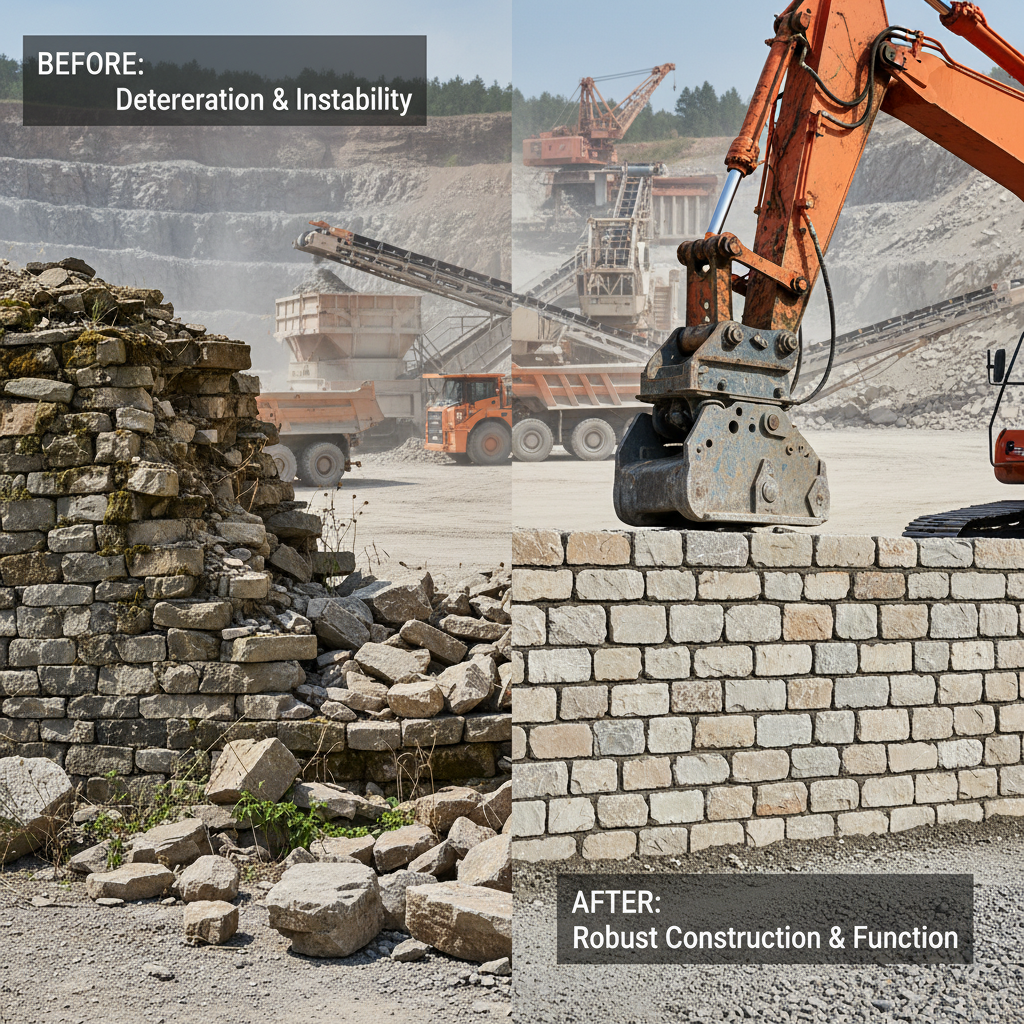
Durability is arguably the most significant characteristic of basalt cobblestone. Its high compressive strength and resistance to abrasion mean it can withstand decades of use with minimal maintenance. This inherent robustness drastically reduces life-cycle costs compared to materials requiring frequent repairs or replacements.
Another key attribute is its slip resistance. The natural texture of basalt, even when polished, provides excellent grip, even in wet conditions. This makes it a safer paving option for pedestrian areas compared to smoother surfaces like polished concrete or tile. This is a vital feature in public spaces, reducing the risk of accidents.
Furthermore, basalt cobblestone exhibits excellent thermal properties. It absorbs and retains heat effectively, contributing to warmer surfaces in colder climates. Its resistance to freeze-thaw cycles also makes it ideal for regions experiencing harsh winters, preventing cracking and deterioration. This contributes to both longevity and safety.
Global Applications of Basalt Cobblestone
Basalt cobblestone finds applications across a diverse range of projects worldwide. In Europe, it's commonly used in historic city centers and pedestrian zones, preserving the aesthetic character of these areas. Countries like Belgium and Germany boast centuries-old streets still paved with original basalt cobblestone, showcasing its enduring quality.
In North America, basalt cobblestone is gaining popularity in landscaping projects, driveways, and patios. Its natural beauty and durability make it a premium choice for homeowners and commercial developers. Increasingly, it is also used in sustainable urban drainage systems (SUDS) for permeable paving.
Globally, basalt cobblestone is employed in infrastructure projects such as railway tracks and port facilities, leveraging its exceptional load-bearing capacity and resistance to wear. Its application in post-disaster relief operations, providing a stable and durable foundation for temporary shelters and roadways, demonstrates its critical role in rebuilding communities.
Basalt Cobblestone Application Ratings
Advantages & the Value Proposition of Basalt Cobblestone
The economic advantages of basalt cobblestone are substantial. While the initial cost may be higher than some alternatives, its longevity significantly reduces long-term maintenance and replacement expenses. This makes it a cost-effective choice over the lifespan of a project.
From an environmental perspective, basalt cobblestone offers a sustainable solution. It’s a natural material requiring minimal processing, and its durability reduces the need for frequent replacements, lessening the burden on landfills. Its potential for permeability also contributes to better water management and reduces stormwater runoff.
Future Trends in Basalt Cobblestone Technology
Innovation in basalt cobblestone technology is focused on enhancing its sustainability and practicality. New cutting and shaping techniques are reducing waste and allowing for more intricate designs. The exploration of bio-based binders for installation is also gaining traction, reducing reliance on traditional cement-based mortars.
The integration of basalt cobblestone with smart city technologies is another emerging trend. Incorporating sensors into the paving material can enable real-time monitoring of traffic flow, temperature, and even structural integrity. This data can be used to optimize urban planning and improve infrastructure management.
Furthermore, research into basalt fiber reinforced polymers (BFRP) is opening up new possibilities for lightweight, high-strength construction materials. BFRP offers similar durability to basalt cobblestone but with a significantly reduced weight, making it ideal for applications where structural load is a concern.
Challenges and Innovative Solutions with Basalt Cobblestone
One of the primary challenges associated with basalt cobblestone is its weight, which can increase transportation and installation costs. Innovative solutions include optimizing logistics and employing specialized lifting equipment to mitigate these expenses.
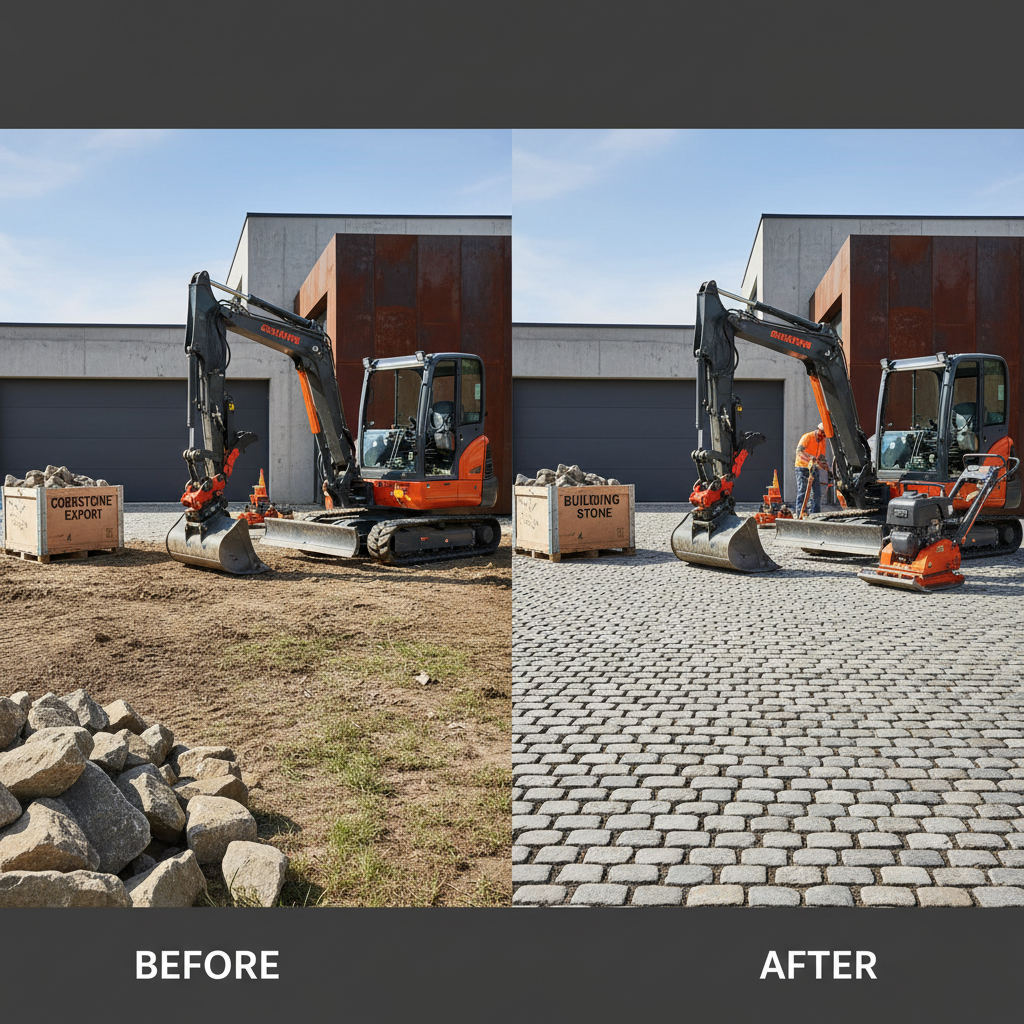
Another challenge is the potential for uneven settling over time. Proper sub-base preparation and installation techniques, including the use of a well-compacted gravel base and polymeric sand for jointing, are crucial for preventing this issue. Utilizing interlocking paving patterns also enhances stability.
Finally, sourcing ethically and sustainably produced basalt is an ongoing concern. Supporting suppliers who prioritize responsible mining practices and environmental stewardship is essential for ensuring the long-term viability of this valuable material.
Summary of Basalt Cobblestone Challenges and Solutions
| Challenge |
Impact |
Solution |
Implementation Cost |
| High Material Weight |
Increased Transportation Costs |
Optimized Logistics & Lifting Equipment |
Medium |
| Uneven Settling |
Compromised Structural Integrity |
Proper Sub-Base & Polymeric Sand |
Low |
| Ethical Sourcing |
Environmental and Social Concerns |
Sustainable Supplier Selection |
Low |
| Limited Color Variety |
Design Constraints |
Surface Treatments & Mixes |
Medium |
| Skill Required for Installation |
Potential for Errors |
Certified Installers & Training |
Medium |
| Initial Material Cost |
Budget Constraints |
Life-Cycle Cost Analysis |
Low |
FAQS
Basalt cobblestone boasts superior durability and a significantly longer lifespan compared to concrete pavers. It's naturally slip-resistant, requiring less maintenance, and possesses a timeless aesthetic that concrete often lacks. Furthermore, basalt is a natural material with a lower carbon footprint, making it a more sustainable choice. Its resilience also means it is less susceptible to cracking under heavy load or extreme temperature fluctuations.
Installing basalt cobblestone requires a degree of skill and precision. Proper sub-base preparation is crucial for ensuring stability and preventing settling. The stones need to be carefully laid to create a level and interlocking surface. Experience in paving or masonry is highly recommended, and employing a certified installer is often the best approach to guarantee a quality result. The heavier weight of basalt also requires appropriate lifting and handling equipment.
Yes, basalt cobblestone is exceptionally well-suited for climates with heavy rainfall or frequent freeze-thaw cycles. Its dense composition and low porosity prevent water absorption, minimizing the risk of cracking or deterioration. Proper installation with appropriate drainage systems further enhances its performance in wet conditions. Its natural resilience makes it far more durable in these climates than many other paving materials.
With proper installation and minimal maintenance, a basalt cobblestone installation can easily last for centuries. There are examples of Roman roads and European city streets still paved with original basalt cobblestone, demonstrating its remarkable longevity. While occasional repairs may be necessary, the overall lifespan far exceeds that of most modern paving materials.
Basalt cobblestone requires relatively little maintenance. Regular sweeping to remove debris and occasional washing with water and a mild detergent are usually sufficient. Re-sanding the joints with polymeric sand every few years can help maintain stability and prevent weed growth. Avoid using harsh chemicals or abrasive cleaners, as these can damage the stone's surface.
Yes, basalt cobblestone is considered an environmentally friendly paving option. It’s a natural material requiring minimal processing compared to manufactured alternatives like concrete. Its durability reduces the need for frequent replacements, lessening landfill waste. Furthermore, basalt can contribute to permeable paving systems, reducing stormwater runoff and improving water quality. Sourcing from responsible suppliers is also key to minimizing environmental impact.
Conclusion
Basalt cobblestone represents a compelling blend of historical legacy, inherent durability, and modern sustainability. Its long lifespan, low maintenance requirements, and aesthetic appeal make it a valuable asset for a wide range of applications, from residential landscapes to large-scale infrastructure projects. The enduring presence of basalt cobblestone in historic settings speaks volumes about its resilience and timeless beauty.
Looking ahead, continued innovation in basalt extraction, processing, and installation techniques will further enhance its practicality and sustainability. By embracing responsible sourcing practices and exploring its integration with smart city technologies, we can unlock the full potential of basalt cobblestone to create durable, resilient, and environmentally conscious environments for future generations. Visit our website at www.lsxcigna.com to learn more and explore our basalt cobblestone solutions.