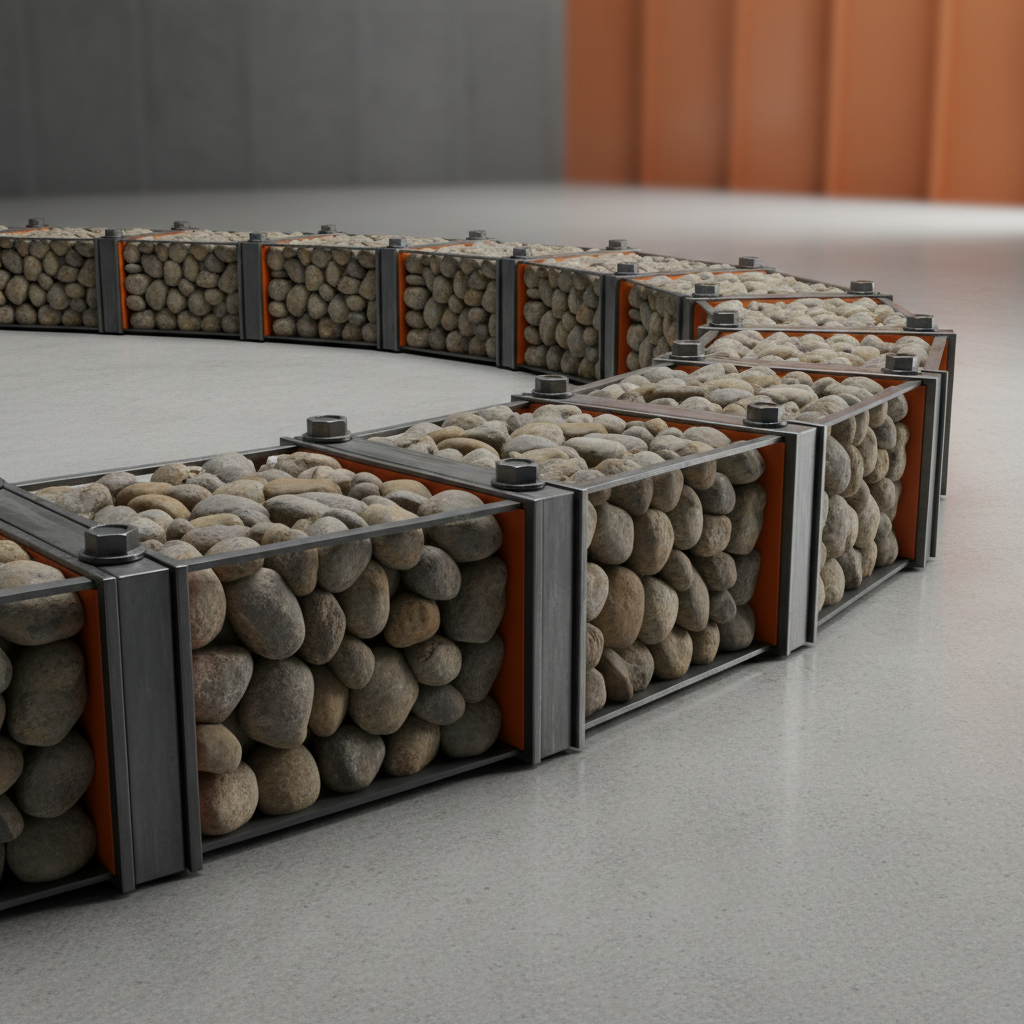
Integrating cobblestone landscape edging into modern outdoor design offers a timeless blend of structural integrity and rustic aesthetic appeal. As homeowners and urban planners seek sustainable ways to define garden boundaries and prevent soil erosion, the use of natural stone borders has seen a significant global resurgence. By combining traditional masonry techniques with contemporary landscape architecture, this approach ensures that outdoor spaces remain organized and visually captivating for decades.
Beyond its visual charm, the implementation of cobblestone landscape edging addresses critical maintenance challenges, such as managing grass encroachment and maintaining clean lines between lawns and flowerbeds. The inherent weight and durability of cobblestones provide a physical barrier that resists shifting, making it a superior alternative to plastic or metal edging. This shift toward permanent, mineral-based solutions reflects a broader movement toward "slow landscaping," where quality and longevity are prioritized over quick, disposable fixes.
Understanding the nuances of material selection and installation is key to maximizing the return on investment for any landscaping project. Whether utilized in a grand European-style estate or a minimalist urban courtyard, the right application of cobblestone landscape edging enhances property value and ecological stability. This guide explores the industrial standards, practical applications, and future innovations that make cobblestone the gold standard for landscape demarcation.
Global Relevance and Industrial Context of Cobblestone Edging
On a global scale, the demand for cobblestone landscape edging is driven by an increasing emphasis on durable infrastructure and the "green city" initiatives promoted by organizations like the ISO and various urban planning councils. In Europe and North America, the restoration of historic districts has revitalized the quarrying industry, pushing manufacturers to develop stones that meet rigorous strength and porosity standards. The industrial shift toward non-metallic mineral products ensures that these edging solutions can withstand extreme freeze-thaw cycles without cracking.
The primary challenge facing modern landscapers is the degradation of synthetic edging materials, which often leach microplastics into the soil and fail within five to ten years. This has created a market gap that natural cobblestones fill perfectly. By leveraging the geological stability of granite, basalt, and sandstone, the industry provides a permanent solution that aligns with international sustainability goals, reducing the carbon footprint associated with frequent replacement and waste disposal.
Defining the Technical Scope of Cobblestone Landscape Edging
Technically, cobblestone landscape edging refers to the strategic placement of small, squared or rounded natural stones along the perimeter of garden beds, walkways, or lawns. Unlike paving, which covers a surface, edging acts as a structural transition zone. It involves the precise calculation of depth-to-width ratios to ensure the stones remain anchored against lateral pressure from root systems and soil movement.
In the context of modern mineral product manufacturing, these stones are often "tumbled" to create a softer, weathered look or "split-faced" for a contemporary, sharp edge. The industrial process ensures uniformity in size while preserving the natural mineral composition, which is essential for water permeability. This allows rainwater to seep through the joints, reducing runoff and supporting the local water table—a critical humanitarian need in drought-prone regions.
Furthermore, cobblestone edging serves as a bridge between raw nature and architectural precision. By defining a clear boundary, it prevents the "blurring" of landscape zones, which is essential for high-traffic public parks and commercial plazas. The intersection of geological science and aesthetic design allows these edges to function as both a retaining wall on a miniature scale and a decorative frame for botanical displays.
Core Components of High-Performance Stone Edging
The success of cobblestone landscape edging depends on several core factors, foremost among them being material density. High-density stones, such as granite, offer superior resistance to abrasion and chemical weathering from fertilizers. This ensures that the edging maintains its color and structural integrity even when exposed to harsh environmental conditions for several decades.
Another critical component is the base preparation and stability. A professional installation of cobblestone landscape edging requires a compacted gravel sub-base to prevent settling. Without this foundation, the stones may tilt or sink, compromising the clean line of the landscape. The interaction between the mineral base and the cobblestone creates a flexible yet firm system that can adapt to slight ground shifts without fracturing.
Finally, the scalability and versatility of the design cannot be overlooked. Whether using small 4-inch cubes for a delicate residential garden or larger 8-inch blocks for a commercial perimeter, the modular nature of cobblestones allows for effortless adjustments. This scalability ensures that the edging can navigate complex curves and sharp angles with equal precision, providing a customized fit for any terrain.
Comparative Analysis of Installation Methodologies
When deploying cobblestone landscape edging, professionals typically choose between "dry-set" and "wet-set" methods. Dry-setting involves placing stones on a sand or gravel bed, allowing for natural drainage and easier future modifications. This method is highly favored in eco-friendly designs where permeable surfaces are mandatory.
Conversely, wet-setting uses a concrete mortar bed to lock the stones in place. While more labor-intensive, this approach provides maximum stability for areas with high slope or heavy foot traffic. The choice between these methods often depends on the specific geological conditions of the site and the long-term maintenance goals of the property owner.
Effectiveness Comparison of Cobblestone Landscape Edging Methods
Global Applications and Real-World Use Cases
The application of cobblestone landscape edging extends far beyond simple home gardens. In historical European city centers, such as those in Prague or Florence, cobblestone borders are used to delineate pedestrian zones from vehicle traffic, preserving the architectural heritage while providing a durable surface that withstands centuries of wear.
In modern industrial zones, particularly in remote mining or manufacturing regions, heavy-duty stone edging is used to prevent soil erosion around critical equipment pads and access roads. By stabilizing the perimeter, these mineral borders prevent silt from clogging drainage systems during heavy rainfall, ensuring that industrial operations continue without interruption regardless of the weather.
Long-Term Value and Sustainability Benefits
Investing in cobblestone landscape edging provides a tangible increase in property valuation. Unlike synthetic alternatives that look dated and degrade over time, natural stone acquires a patina that adds character and "perceived age" to a property, which is highly valued in real estate markets. The logical appeal lies in the elimination of replacement costs, as a well-installed stone edge can last for a lifetime.
From a sustainability perspective, the use of locally sourced cobblestones reduces the energy expenditure associated with transporting heavy materials. Furthermore, because these stones are chemically inert, they do not contaminate the soil or groundwater. This makes them an ideal choice for organic gardens and eco-resorts that prioritize a holistic approach to land management.
Emotionally, there is a profound sense of trust and permanence associated with stone. It represents a commitment to the land and a rejection of the "throwaway culture." For the homeowner, this translates to a feeling of security and pride, knowing that their outdoor sanctuary is framed by materials that are as enduring as the earth itself.
Future Trends in Mineral-Based Landscape Design
The future of cobblestone landscape edging is being shaped by digital transformation and automation. Precision cutting via CNC machinery now allows for "interlocking" cobblestone designs that provide the stability of a wet-set installation with the permeability of a dry-set. This innovation reduces installation time and labor costs while maintaining the classic aesthetic of natural stone.
Sustainability policies are also pushing the industry toward the use of reclaimed cobblestones. By harvesting stones from demolished old roads and repurposing them for landscape edging, designers can achieve a zero-waste cycle. This trend is gaining traction in urban renewal projects across Asia and North America, where the "circular economy" is becoming a central tenet of construction.
Additionally, we are seeing the integration of "smart" minerals—stones treated with eco-friendly coatings that repel algae and moss growth without the use of toxic chemicals. This ensures that cobblestone landscape edging remains pristine and slip-resistant, combining ancient materials with 21st-century chemical engineering.
Analysis of Material Performance for Future Landscape Edging
| Material Type |
Durability Score (1-10) |
Eco-Friendliness |
Installation Complexity |
| Natural Granite |
10 |
High |
Medium |
| Tumbled Basalt |
9 |
High |
Medium |
| Reclaimed Cobble |
8 |
Very High |
High |
| Pressed Concrete |
6 |
Medium |
Low |
| Sandstone Slabs |
7 |
High |
Medium |
| Limestone Blocks |
7 |
High |
Medium |
FAQS
Cobblestone landscape edging is vastly superior in terms of longevity and aesthetics. While plastic edging is cheaper and faster to install, it often degrades under UV exposure, cracks during winter frosts, and can be pushed aside by aggressive root systems. Cobblestones provide a permanent, heavy-duty barrier that actually increases in character over time and requires virtually zero replacement costs, making it the more cost-effective long-term investment.
It depends on the application. For residential decorative gardens, a compacted gravel and sand base is usually sufficient and provides better water drainage (permeability). However, for commercial areas with high foot traffic or steep inclines, a concrete "wet-set" base is recommended to prevent the stones from shifting or sliding over time, ensuring the structural integrity of the landscape border.
Yes, for simple dry-set projects, DIY installation is feasible. The process involves digging a shallow trench, filling it with a leveling base of crushed stone, and carefully placing the cobblestones. However, for complex curves, wet-set installations, or large-scale industrial projects, hiring a professional mason is advised to ensure the base is properly compacted and the levels are precise to avoid future settling.
The most effective method is to use polymeric sand for the joints. Unlike regular sand, polymeric sand contains binders that harden when activated with water, creating a flexible but solid seal that prevents weed seeds from taking root. Additionally, maintaining a clean edge and using a professional-grade landscape fabric beneath the gravel base can significantly reduce weed penetration from below.
Granite and Basalt are the best choices for cold climates. These minerals have extremely low porosity, meaning they do not absorb much water. This prevents the "freeze-thaw" cycle from causing internal pressure that leads to cracking or spalling. Avoid soft limestones or certain sandstones in extreme freeze zones, as they are more prone to surface degradation over several winters.
Absolutely. By creating a physical, heavy barrier at the edge of a slope or bed, cobblestone landscape edging prevents the lateral movement of mulch, soil, and gravel during heavy rain. It acts as a miniature retaining wall that stabilizes the soil profile and directs water runoff more efficiently, protecting your plants and maintaining the clean definition of your garden beds.
Conclusion
In summary, cobblestone landscape edging represents the perfect intersection of geological durability and artistic design. From its ability to prevent soil erosion and manage grass encroachment to its capacity to significantly boost property value, the use of natural stone borders is a strategic choice for any serious landscaping project. By focusing on high-density materials and proper base preparation, property owners can ensure a permanent solution that transcends fleeting design trends.
Looking forward, the integration of reclaimed materials and precision-cut interlocking stones will only make this traditional method more accessible and sustainable. Whether you are designing a private sanctuary or managing a public urban space, prioritizing mineral-based edging is an investment in the future of the environment and the longevity of the land. We encourage you to explore the timeless elegance and unmatched strength of natural stone for your next project. Visit our website: www.lsxcigna.com