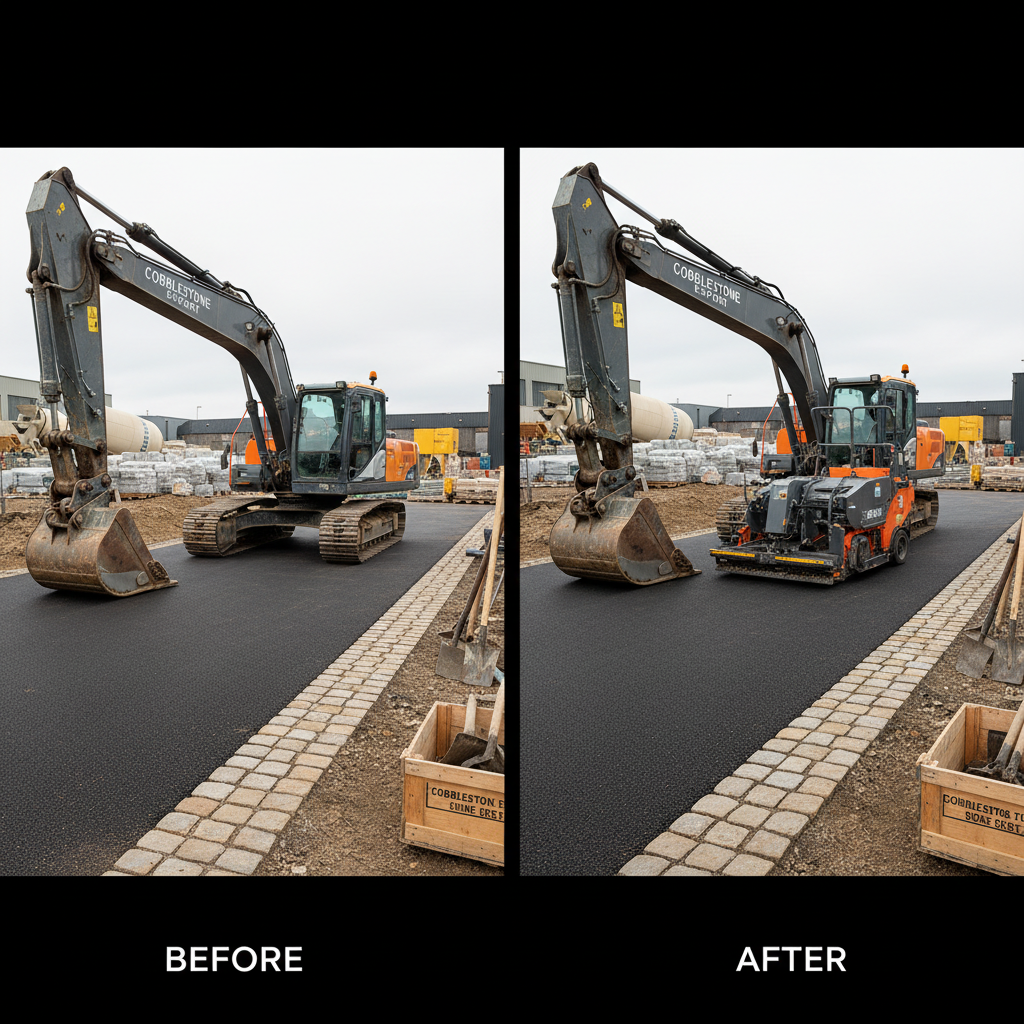
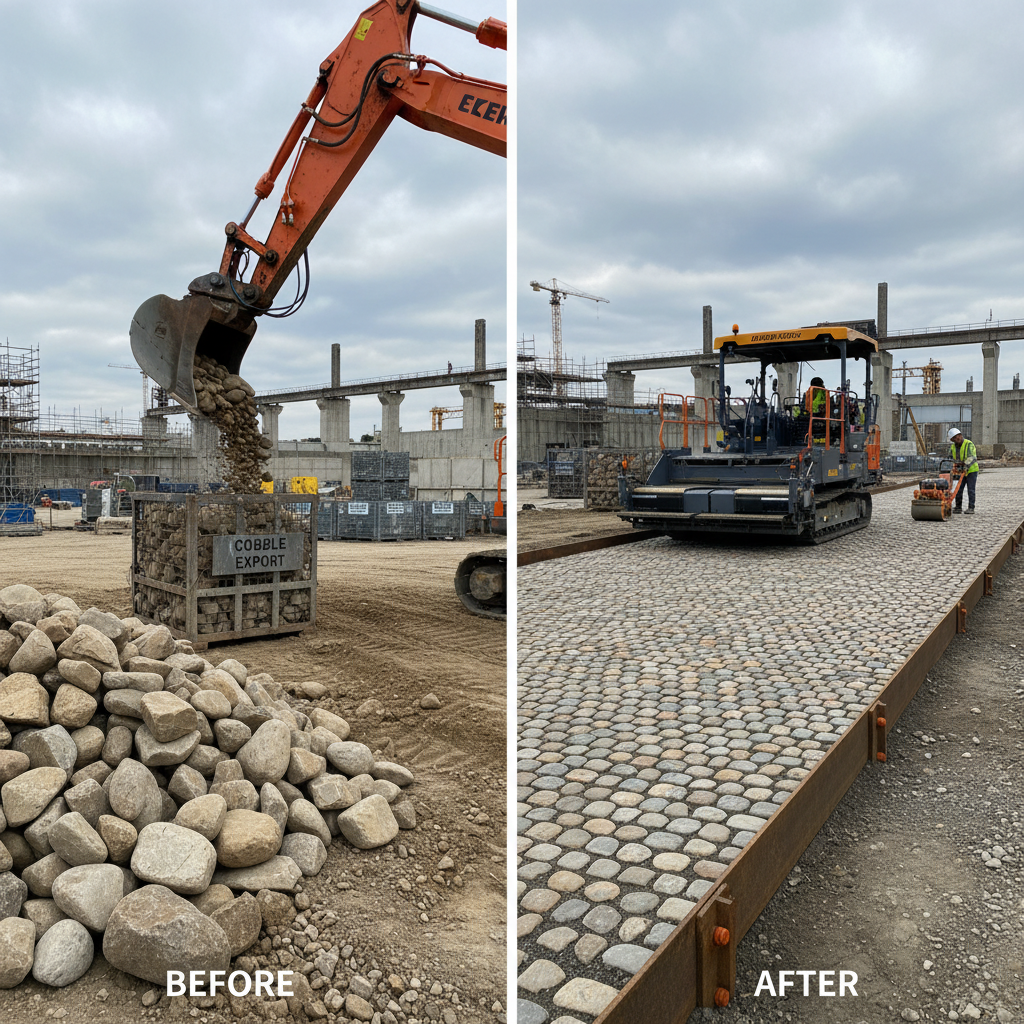
The enduring appeal of cobble and stone lies in its timeless aesthetic and inherent durability. From ancient Roman roads to quaint European villages, these materials have shaped civilizations and continue to inspire architectural designs worldwide. Understanding the properties and applications of cobble and stone is crucial not only for preserving historical structures but also for innovating sustainable building practices in the 21st century. Its versatility allows for a range of applications, from paving and walls to decorative elements, making it a cornerstone of both traditional and modern construction.
Globally, the demand for durable and aesthetically pleasing construction materials remains strong. Cobble and stone represent a natural and often locally sourced option, reducing transportation costs and environmental impact. The resurgence of interest in heritage building and sustainable development further fuels this demand. However, challenges exist in sourcing, processing, and implementing these materials efficiently, requiring ongoing innovation in techniques and technologies. This highlights the need for exploring new applications and overcoming logistical hurdles to fully realize the potential of cobble and stone.
The inherent qualities of cobble and stone – their resilience, visual appeal, and environmental friendliness – make them invaluable assets in a world increasingly focused on sustainability and longevity. The continued study and skillful utilization of these materials are vital for preserving our cultural heritage and building a more sustainable future. This exploration delves into the multifaceted world of cobble and stone, examining their characteristics, applications, and future potential.
The Essence of cobble and stone
Cobble and stone represent more than just building materials; they embody a connection to the past and a promise of enduring quality. Their natural variations in color, texture, and shape contribute to the unique character of any project. From rustic pathways to grand architectural facades, these materials offer unparalleled aesthetic versatility. The inherent strength and resilience of cobble and stone ensure that structures built with them stand the test of time.
The choice to incorporate cobble and stone into a design signifies a commitment to longevity and a respect for natural resources. Their thermal mass properties can contribute to energy efficiency, reducing heating and cooling costs. Furthermore, the use of locally sourced stone minimizes environmental impact by decreasing transportation needs and supporting regional economies. This combination of aesthetic appeal, durability, and sustainability makes cobble and stone a favored choice among architects and homeowners alike.
Global Relevance and Historical Context
Throughout history, cobble and stone have been fundamental building blocks of civilizations worldwide. The Romans famously utilized stone extensively in their roads, aqueducts, and public buildings, demonstrating its structural integrity and durability. Medieval European towns often featured cobblestone streets, providing drainage and a stable surface for pedestrian and animal traffic. These historical examples illustrate the enduring practicality and aesthetic value of cobble and stone.
Today, their relevance extends to various applications, from landscaping and garden design to the construction of walls, fireplaces, and entire buildings. The United Nations Sustainable Development Goals emphasize the importance of sustainable cities and communities, and the use of natural materials like cobble and stone aligns perfectly with these objectives. Furthermore, the increasing awareness of environmental concerns has led to a renewed interest in locally sourced, low-impact materials.
The global market for stone products is substantial, with significant trade occurring between countries rich in stone resources and those with high construction demand. According to industry reports, the demand for natural stone continues to grow, driven by factors such as urbanization, infrastructure development, and the desire for aesthetically pleasing and durable buildings. This underscores the enduring significance of cobble and stone in the modern world.
Defining cobble and stone: A Material Overview
Cobble and stone, in their simplest terms, refer to naturally occurring rock fragments utilized for construction and landscaping. Stone encompasses a wide range of rock types – granite, limestone, sandstone, slate, and more – each possessing unique properties and aesthetic qualities. Cobble typically refers to rounded, water-worn stones, often used in paving and landscaping. The differentiation often lies in the size, shape, and processing of the material.
The connection to modern industry and humanitarian needs is multifaceted. In construction, stone provides lasting foundations, enduring facades, and visually appealing finishes. In humanitarian contexts, readily available stone can be used for building shelters, wells, and other essential infrastructure in disaster-stricken or developing areas. The inherent durability of these materials makes them ideal for challenging environments.
Understanding the geological origins and physical characteristics of different types of stone is crucial for selecting the appropriate material for a given application. Factors such as compressive strength, water absorption, and resistance to weathering all play a role in determining suitability. Proper sourcing and processing are also essential to ensure the quality and longevity of cobble and stone structures.
Key Attributes of cobble and stone
Cobble and stone boast several key attributes that contribute to their enduring popularity. Firstly, Durability is paramount; these materials withstand centuries of weathering and use, minimizing maintenance and replacement costs. Secondly, Aesthetic Versatility allows for a wide range of design possibilities, from rustic to refined, blending seamlessly with diverse architectural styles.
Furthermore, Environmental Sustainability is a growing benefit, as stone is a natural resource with a relatively low carbon footprint when sourced responsibly. Thermal Mass provides excellent insulation, reducing energy consumption for heating and cooling. Finally, Local Availability often minimizes transportation costs and supports regional economies, making it a practical and sustainable choice.
Cobble and Stone Performance Metrics
Global Applications and Use Cases of cobble and stone
The applications of cobble and stone are incredibly diverse. In post-disaster relief operations, readily available stone can be used to construct temporary shelters and essential infrastructure, providing immediate aid to affected communities. In remote industrial zones, stone foundations offer a stable and durable base for machinery and buildings.
Throughout Europe, particularly in historic cities like Rome, Prague, and Paris, cobblestone streets continue to be a defining feature of the urban landscape, preserving cultural heritage and attracting tourists. In regions with abundant stone resources, such as Italy and Brazil, stone is widely used in the construction of residential and commercial buildings. Furthermore, landscaping projects across the globe frequently incorporate stone pathways, walls, and decorative elements.
Advantages and Long-Term Value
The tangible benefits of utilizing cobble and stone extend beyond aesthetics and durability. Cost-effectiveness, especially when considering the material's longevity and minimal maintenance requirements, is a significant advantage. Sustainability is also paramount, as stone is a natural resource with a lower environmental impact compared to many synthetic building materials.
On an emotional level, structures built with cobble and stone evoke a sense of permanence, history, and connection to the natural world. Logically, the inherent strength and resilience of these materials translate to increased safety and security. The enduring appeal and timeless quality of cobble and stone foster trust and instill a sense of value in any project.
Future Innovations in cobble and stone Utilization
Future trends point towards innovative applications of cobble and stone, driven by advancements in technology and a growing focus on sustainability. Researchers are exploring new techniques for processing and shaping stone, reducing waste and improving efficiency. The integration of digital fabrication technologies, such as robotic cutting and 3D printing, allows for the creation of complex and customized stone elements.
Furthermore, the development of sustainable mortars and adhesives, utilizing bio-based materials, aims to reduce the environmental impact of stone construction. The potential of combining stone with green energy technologies, such as solar panels integrated into stone facades, is also being investigated. These innovations promise to unlock even greater potential for cobble and stone in the future.
The exploration of incorporating recycled stone and utilizing waste materials in stone production is gaining traction, promoting a circular economy and minimizing environmental footprint. The use of drones for surveying and mapping stone quarries can improve resource management and reduce environmental disruption.
Core Analysis of Challenges and Solutions for cobble and stone Implementation
| Challenge Area |
Impact on cobble and stone Use |
Proposed Solution |
Implementation Feasibility (1-10) |
| High Material Costs |
Limits accessibility in low-budget projects. |
Sourcing locally, utilizing recycled stone, optimizing cutting techniques. |
7 |
| Skilled Labor Shortage |
Impacts quality of installation and increases project timelines. |
Investment in training programs, promotion of apprenticeship opportunities. |
6 |
| Transportation Logistics |
High costs and environmental impact for long-distance transport. |
Prioritizing local sourcing, optimizing transport routes, utilizing fuel-efficient vehicles. |
8 |
| Environmental Regulations |
Stricter requirements for quarrying and processing. |
Adopting sustainable quarrying practices, investing in pollution control technologies. |
9 |
| Design Limitations |
Perceived restrictions in achieving modern architectural styles. |
Employing digital fabrication techniques, collaborating with innovative designers. |
5 |
| Weathering and Maintenance |
Potential for erosion and discoloration over time. |
Applying protective coatings, implementing regular cleaning and maintenance schedules. |
7 |
FAQS
Unlike concrete, which is manufactured and often has a significant carbon footprint, cobble and stone are naturally occurring materials. This offers inherent sustainability benefits. Furthermore, stone’s aesthetic quality and longevity are often unmatched by concrete. While concrete can be cheaper upfront, the long-term durability and reduced maintenance of cobble and stone often result in lower lifecycle costs. The breathable nature of stone also contributes to healthier indoor air quality compared to concrete.
Prioritize sourcing stone from local quarries to minimize transportation emissions. Look for quarries with responsible environmental practices, such as land reclamation and water management. Consider using reclaimed or recycled stone whenever possible. Verify that the quarry adheres to fair labor standards and supports the local community. Certifications like those from the Natural Stone Council can provide assurance of sustainable sourcing practices.
The best stone for a particular climate depends on its resistance to weathering. Granite and basalt are extremely durable and suitable for harsh climates with freezing temperatures and heavy precipitation. Limestone and sandstone are more porous and may be best suited for drier climates. Slate is an excellent choice for roofing due to its impermeability and resistance to cracking. Proper sealing and maintenance can extend the lifespan of stone in any climate.
Repair costs can vary depending on the extent of the damage and the type of stone. However, in many cases, repairs are less expensive than replacing entire structures. Minor cracks and chips can often be repaired with epoxy or other stone-compatible materials. For more significant damage, sourcing matching stone and employing skilled masons is crucial. The longevity of cobble and stone structures generally leads to lower overall maintenance costs over their lifespan.
Stone is a significantly heavier material than many modern building materials, such as wood or steel. Therefore, foundations must be designed to bear the increased load. Proper soil analysis and foundation design are crucial to ensure structural integrity. In some cases, additional reinforcement may be required to support the weight of stone walls or flooring. Consulting with a structural engineer is essential when incorporating significant amounts of stone into a building design.
Cobble and stone are widely used in landscaping for creating pathways, patios, retaining walls, and decorative features. Cobblestones provide a charming and durable surface for walkways and driveways. Stone walls can add structure and visual interest to gardens. Stone edging defines garden beds and borders. Stone fountains and sculptures add artistic elements to outdoor spaces. The natural beauty and durability of stone make it an ideal material for enhancing landscapes.
Conclusion
In conclusion, cobble and stone represent a timeless blend of beauty, durability, and sustainability. From ancient marvels to modern architectural designs, these materials have consistently proven their value as essential building blocks of civilizations. Understanding their unique properties, responsible sourcing, and innovative applications is critical for preserving our cultural heritage and building a more sustainable future. The enduring appeal of cobble and stone lies in their ability to connect us to the past while offering long-lasting value for generations to come.
As technology continues to advance and environmental awareness grows, the potential for cobble and stone is only expanding. By embracing innovative techniques, prioritizing sustainable practices, and celebrating the inherent beauty of these natural materials, we can unlock even greater possibilities for their use in construction, landscaping, and cultural preservation. We invite you to explore the world of cobble and stone further and discover how these enduring materials can enhance your projects and contribute to a more sustainable world. Visit our website: cobble and stone