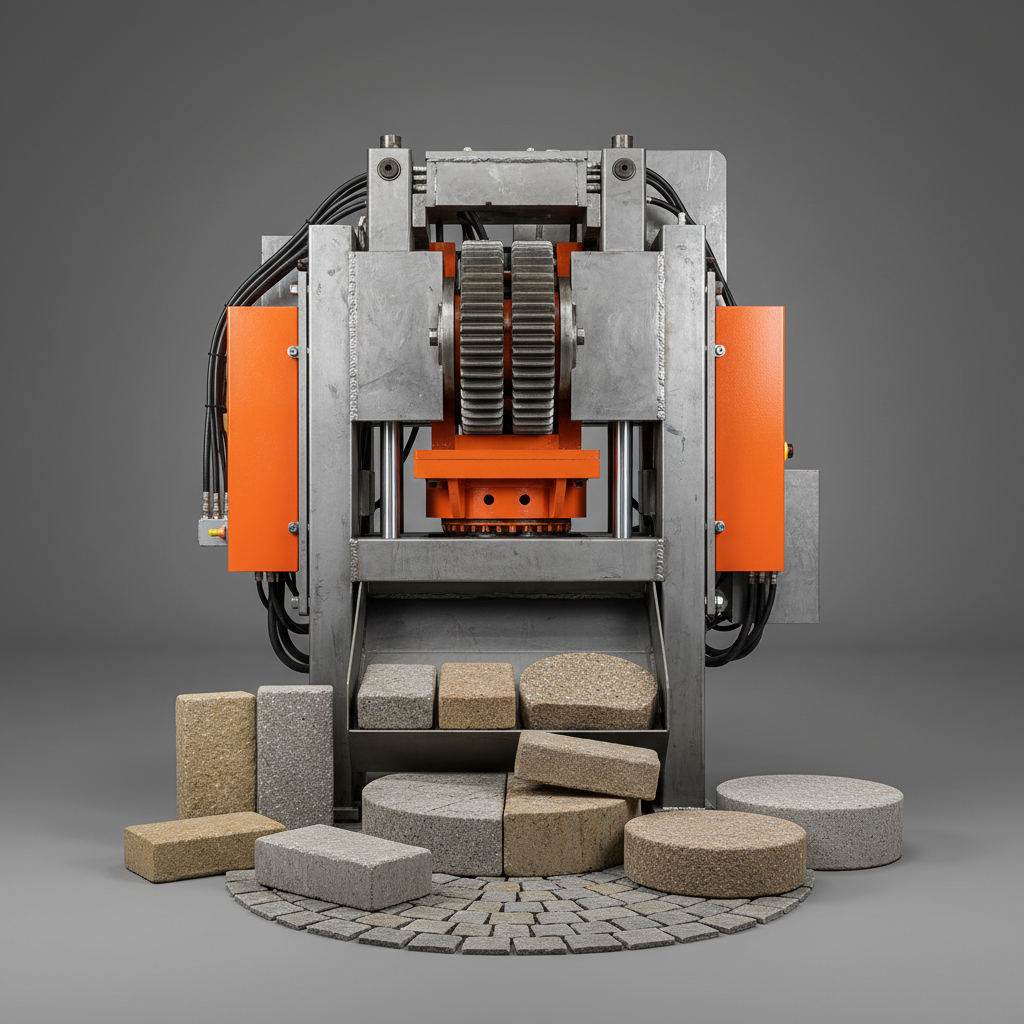
For centuries, black cobble stones have represented more than just a paving material; they symbolize history, resilience, and the enduring quality of craftsmanship. From the ancient Roman roads to the charming streets of European towns, these stones have witnessed the passage of time and the evolution of civilizations. Understanding the enduring appeal and practical applications of black cobble stones is crucial in modern construction and urban planning, offering a unique blend of aesthetic beauty and functional durability.
The continued use of black cobble stones extends beyond purely aesthetic considerations. Their inherent durability and resistance to wear and tear make them a sustainable choice for high-traffic areas. Furthermore, the increasing focus on preserving historical character in urban landscapes ensures the ongoing demand for these timeless materials. black cobble stones continue to be relevant in a world seeking both beauty and longevity.
The study of black cobble stones isn’t simply an exploration of a building material; it’s a window into architectural history, sustainable construction practices, and the enduring human desire to create lasting structures. Their unique properties and aesthetic appeal ensure their continued relevance in both modern and traditional settings, making them a compelling subject for architects, historians, and anyone interested in the built environment.
The Historical Development of black cobble stones
The earliest examples of black cobble stones being utilized for paving date back to the Roman Empire, where carefully fitted stones formed the foundations of their extensive road network. These roads weren't just practical necessities; they were symbols of Roman power and engineering prowess, and black cobble stones played a critical role in their construction.
Throughout the Middle Ages and Renaissance, black cobble stones continued to be a staple in European cities. Their use wasn't limited to roads; they were also incorporated into town squares, building foundations, and even decorative elements. The darker hue of these stones provided a striking contrast to the lighter colors of surrounding buildings, enhancing the aesthetic appeal of urban spaces.
Defining Characteristics of black cobble stones
Black cobble stones aren't simply uniformly colored rocks. They typically comprise basalt, granite, or other igneous rocks that have undergone natural weathering processes. The black coloration stems from the presence of iron oxides and other dark minerals within the stone's composition. These stones are generally characterized by their irregular, rounded shapes, achieved through natural erosion or deliberate shaping during extraction and processing.
A defining characteristic is their density and hardness, which contributes to their exceptional durability. This makes them incredibly resistant to wear, weathering, and impact. This inherent strength allows them to withstand heavy foot traffic and the elements for centuries, making them a cost-effective long-term investment.
Moreover, the texture of black cobble stones provides a natural, non-slip surface, improving safety in pedestrian areas. Their rough surface also aids in water drainage, preventing puddles and reducing the risk of accidents, particularly in wet conditions.
Core Components and Material Science
The primary component of black cobble stones is the aforementioned igneous rock, but the specific mineral composition varies depending on the source. Basalt, rich in plagioclase and pyroxene, is a common choice, known for its high compressive strength. Granite, with its higher quartz content, offers enhanced resistance to abrasion.
From a material science perspective, the crystalline structure of these rocks is crucial to their durability. The tightly interlocked crystals resist cracking and fragmentation. The presence of iron oxides not only imparts the characteristic black color but also contributes to the stone's overall stability. Understanding these properties is paramount for assessing the long-term performance of black cobble stones in various environments.
Advanced testing methods, such as X-ray diffraction and petrographic analysis, are employed to determine the precise mineral composition and structural integrity of black cobble stones. This ensures that only high-quality materials are used in construction projects, guaranteeing lasting performance and aesthetic appeal.
Durability and Performance Metrics
The exceptional durability of black cobble stones is a key reason for their continued popularity. Their resistance to weathering, abrasion, and compressive forces significantly exceeds that of many modern paving materials. This durability translates into reduced maintenance costs and a longer lifespan, making them a sustainable choice for long-term infrastructure projects.
Several performance metrics are used to assess the quality of black cobble stones. Compressive strength, measured in megapascals (MPa), typically ranges from 150 to 250 MPa, indicating their ability to withstand heavy loads. Abrasion resistance, determined through tests like the Los Angeles abrasion test, reveals their resistance to wear and tear from traffic and environmental factors.
Comparative Durability Metrics of Paving Materials
Global Applications in Urban Landscapes
Black cobble stones are widely used in pedestrian zones, town squares, and historical districts around the globe. Cities like Rome, Prague, and Lisbon showcase stunning examples of streets paved with these enduring stones, preserving their historical character while providing functional and aesthetically pleasing surfaces.
Their application extends beyond Europe. In North America, black cobble stones are often used in restoration projects to recapture the charm of historic districts. In Asia, they are increasingly incorporated into modern landscape designs, offering a sophisticated and timeless aesthetic.
Advantages and Long-Term Sustainability
The advantages of using black cobble stones are numerous. Their durability minimizes the need for repairs and replacements, reducing life-cycle costs. Their natural aesthetic enhances the beauty of urban spaces, increasing property values and attracting tourism. Furthermore, their natural composition makes them an environmentally friendly choice.
From a sustainability perspective, black cobble stones require minimal processing and can often be sourced locally, reducing transportation costs and carbon emissions. Their long lifespan and resistance to weathering contribute to a circular economy, minimizing waste and promoting resource efficiency. They offer a truly sustainable paving solution for generations to come.
Future Trends and Innovation in black cobble stones
Innovations in quarrying and processing techniques are making black cobble stones more readily available and affordable. New cutting methods are minimizing waste and improving the precision of stone shaping. Furthermore, research into surface treatments is enhancing their resistance to staining and weathering.
The integration of black cobble stones with permeable paving systems is gaining traction, improving stormwater management and reducing urban runoff. Combining these traditional materials with modern technologies creates sustainable and resilient infrastructure solutions.
Summary of Factors Influencing black cobble stones Selection
| Stone Source & Geography |
Material Composition |
Application Context |
Long-Term Maintenance |
| Italian Basalt |
High Plagioclase Content |
Historic City Centers |
Minimal – Periodic Cleaning |
| Portuguese Granite |
High Quartz Content |
High-Traffic Pedestrian Zones |
Moderate – Re-sealing Every 5-7 Years |
| Spanish Basalt |
Moderate Iron Oxide Content |
Residential Driveways & Walkways |
Low – Occasional Power Washing |
| German Basalt |
Fine-Grained Texture |
Landscaping & Garden Paths |
Very Low – Minimal Intervention |
| Brazilian Granite |
Coarse-Grained Texture |
Commercial Plazas & Courtyards |
Moderate – Professional Cleaning |
| Icelandic Basalt |
Volcanic Origin |
Modern Architectural Designs |
Low - Occasional Inspection |
FAQS
Black cobble stones offer a superior aesthetic appeal and a significantly longer lifespan compared to concrete. They are more resistant to weathering and wear, requiring less maintenance over time. Furthermore, their natural composition makes them a more sustainable choice, reducing the environmental impact associated with concrete production. The non-slip surface is also a key safety benefit, particularly in wet conditions.
Regular cleaning with mild detergent and water is typically sufficient for maintaining black cobble stones. Avoid harsh chemicals or abrasive cleaners, as these can damage the surface. Periodic re-sealing can enhance their resistance to staining and weathering, especially in areas exposed to heavy traffic or harsh climates. It’s important to address any cracks or loose stones promptly to prevent further damage.
Yes, black cobble stones are considered a highly sustainable paving option. Their durability reduces the need for frequent replacements, minimizing waste. They can often be sourced locally, reducing transportation emissions. Their natural composition avoids the environmental impact of concrete production, and their permeable properties can contribute to better stormwater management.
The cost of installing black cobble stone paving varies depending on factors such as the size of the area, the complexity of the design, and the cost of materials and labor. Generally, it is more expensive upfront than concrete paving, however the lower long-term maintenance costs and enhanced aesthetic value often offset the initial investment. It’s best to obtain quotes from qualified paving contractors for an accurate estimate.
Yes, black cobble stones can be successfully used in cold climates, provided proper installation techniques are employed. Proper base preparation and drainage are crucial to prevent water from accumulating beneath the stones and causing damage during freeze-thaw cycles. Selecting stones with a low porosity can also improve their resistance to frost damage.
Black cobble stones are ideal for a wide range of projects, including pedestrian walkways, town squares, historic street restorations, driveways, patios, and garden paths. Their durability and aesthetic appeal make them well-suited for both residential and commercial applications. They are particularly effective in projects where preserving historical character or creating a timeless, elegant look is desired.
Conclusion
In conclusion, black cobble stones represent more than just a paving material; they embody a rich history, unparalleled durability, and a commitment to sustainable construction practices. From ancient Roman roads to modern urban landscapes, these stones have consistently proven their resilience and aesthetic value. Their unique properties and long-term benefits make them an ideal choice for projects seeking both functionality and timeless beauty.
Looking ahead, continued innovation in quarrying, processing, and installation techniques will further enhance the appeal and accessibility of black cobble stones. Embracing these materials is not merely about preserving the past; it’s about building a more sustainable and aesthetically pleasing future. For more information and to explore how black cobble stones can enhance your next project, visit our website: www.lsxcigna.com.