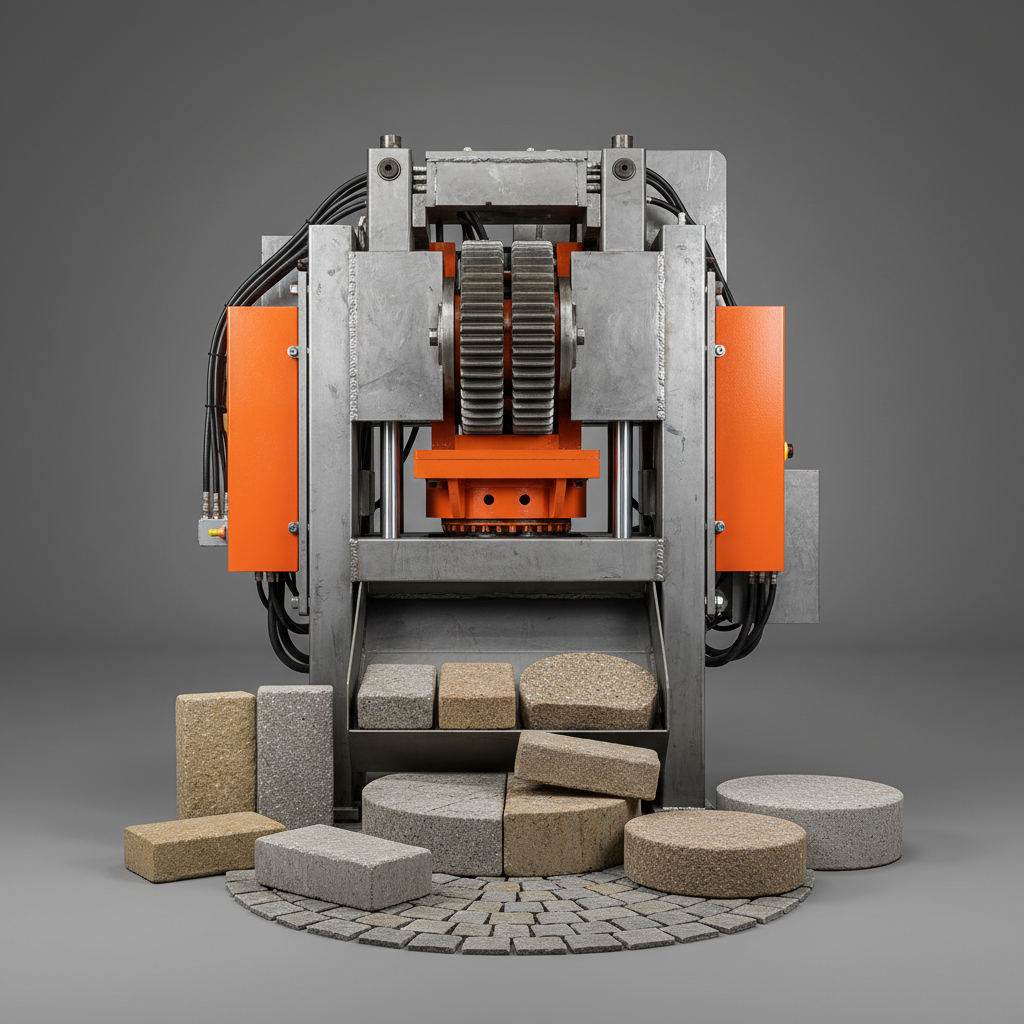
Integrating cobblestone landscaping into modern outdoor design is more than a mere aesthetic choice; it is a strategic investment in durability and timeless elegance. By utilizing naturally sourced or precision-engineered stone, property owners can create permeable surfaces that manage stormwater effectively while adding significant market value to their real estate.
Across the globe, the resurgence of stone masonry reflects a shift toward sustainable urbanism and a desire for materials that age gracefully. From the historic plazas of Europe to high-end residential driveways in North America, the application of cobblestone provides a tactile, human-scale quality that concrete and asphalt simply cannot replicate.
Understanding the nuances of cobblestone landscaping allows developers and homeowners to balance the rustic charm of the old world with the rigorous performance standards of modern engineering. This guide explores the technical components, global applications, and long-term value of choosing stone for your exterior environments.
The Structural Fundamentals of Cobblestone Landscaping
The foundation of any successful cobblestone landscaping project lies in the sub-base preparation. Unlike monolithic slabs, cobblestones distribute weight across a wider area through interlocking pressure, which prevents the cracking typically seen in poured concrete during freeze-thaw cycles. Proper grading and the use of a compacted aggregate layer are essential to ensure that the stones remain level over decades of use.
Beyond the base, the choice of jointing material—whether it be polymeric sand or traditional stone dust—determines the permeability and weed resistance of the installation. Modern masonry techniques emphasize a "flexible" system that allows the earth to breathe and shift slightly without compromising the integrity of the surface, making it an ideal choice for varying soil types and climates.
Global Industry Context and Market Relevance
In the current global construction landscape, there is a documented shift toward "low-impact development" (LID). According to urban planning trends aligned with ISO sustainability standards, the reduction of impervious surfaces is critical to mitigating the urban heat island effect. Cobblestone landscaping addresses this by providing a durable yet permeable alternative to asphalt, allowing rainwater to seep back into the groundwater table.
The industrial production of non-metallic mineral products has evolved to meet this demand. Manufacturers are now utilizing advanced quarrying and cutting technologies to produce "tumbled" stones that mimic ancient European streets while maintaining precise dimensions for faster installation. This synergy between traditional aesthetics and industrial precision has expanded the market from luxury estates to municipal public squares.
However, the industry faces the challenge of balancing authentic material sourcing with environmental regulations. As natural stone quarries face stricter limits, the development of high-density, mineral-based composites that replicate the physical properties of granite and basalt has become a focal point for innovation in the mineral products sector.
Defining Modern Cobblestone Standards
At its core, cobblestone landscaping refers to the art and science of arranging small, typically rounded or squared mineral blocks to create functional outdoor surfaces. Unlike standard pavers, true cobblestones emphasize organic textures and high compressive strength, making them suitable for high-traffic zones.
In the context of modern industry, cobblestone landscaping is viewed as a sustainable infrastructure solution. It bridges the gap between architectural beauty and civil engineering, providing a surface that can withstand heavy vehicle loads while remaining ecologically responsible through natural drainage.
The definition has expanded to include "cobble-style" pavers—precision-cut blocks that provide the visual appeal of traditional stones but offer a flatter surface for accessibility (ADA compliance). This evolution ensures that the timeless look of stone can be integrated into modern urban accessibility requirements without sacrificing style.
Key Performance Factors for Stone Paving
When evaluating materials for cobblestone landscaping, four primary factors dictate the success of the installation: compressive strength, slip resistance, permeability, and thermal stability. High-density granite, for instance, offers superior load-bearing capacity, while textured basalt provides an essential grip for inclined driveways during wet seasons.
Cost efficiency in these projects is not measured by the initial purchase price, but by the lifecycle cost. Because stone does not degrade like bitumen or crack like concrete, the maintenance interval is significantly longer, resulting in a lower Total Cost of Ownership (TCO) over a twenty-year period.
Performance Comparison of Cobblestone Landscaping Materials
Practical Global Applications and Case Studies
In European heritage districts, cobblestone landscaping is used to preserve historical authenticity while upgrading underground utility access. By using removable stone setts, cities can perform maintenance on water and gas lines without leaving unsightly patches of new asphalt, maintaining the visual continuity of the streetscape.
In North American luxury residential design, cobblestones are increasingly used in "transition zones"—the areas between the public street and the private driveway. This creates a psychological boundary and a visual cue for drivers to slow down, combining safety with a high-end aesthetic that complements traditional architecture.
Long-Term Economic and Environmental Value
The long-term value of stone paving is rooted in its sustainability. Unlike synthetic materials, natural stone has a lower carbon footprint during its "use phase" because it requires no chemical sealants or frequent resurfacing. When a section of cobblestone landscaping is damaged, individual stones can be replaced without disrupting the entire area, drastically reducing material waste.
From an emotional perspective, stone evokes a sense of permanence and trust. In commercial settings, such as hotel entrances or boutique shopping streets, the use of cobblestone signals quality and attention to detail, which subtly enhances the perceived value of the surrounding businesses.
Logically, the investment pays off through increased property appraisal. Real estate data suggests that high-quality hardscaping, particularly using natural mineral products, provides one of the highest returns on investment (ROI) for exterior home improvements, often recovering 70-80% of the cost upon resale.
Future Innovations in Non-Metallic Mineral Paving
The future of cobblestone landscaping is being shaped by the integration of "smart" materials. Researchers are exploring the use of photocatalytic coatings on stone surfaces that can neutralize nitrogen oxides (NOx) from vehicle emissions, effectively turning a driveway or plaza into an air-purifying filter for the city.
Automation is also transforming the installation process. Robotic laying systems are being developed to precisely place stones based on 3D BIM (Building Information Modeling) maps, reducing labor costs and ensuring perfect geometric alignment in complex curved patterns.
Furthermore, the industry is moving toward a circular economy model. Recycled mineral aggregates from demolished concrete structures are being refined and pressed into high-strength "eco-cobbles," providing the same structural benefits as natural stone while reducing the reliance on new quarrying.
Comparative Analysis of Modern Cobblestone Implementation Strategies
| Implementation Method |
Installation Speed |
Permeability Rate |
Lifespan (Years) |
| Traditional Hand-Set |
Low |
High |
100+ |
| Mortared Bedding |
Medium |
Low |
40-60 |
| Interlocking Polymeric |
High |
Medium |
30-50 |
| Modular Pre-fab Panels |
Very High |
Medium |
25-40 |
| Permeable Grit Base |
Medium |
Very High |
50-70 |
| Eco-Composite Blend |
High |
High |
30-50 |
FAQS
Initially, yes. The cost of materials and the labor-intensive nature of laying individual stones make the upfront investment higher. However, cobblestones do not crack like concrete and can be repaired stone-by-stone. Over a 20-year period, the lack of need for full resurfacing often makes cobblestone more cost-effective.
The most effective modern solution is using polymeric sand. Unlike traditional sand, polymeric sand contains additives that harden when activated with water, creating a durable bond that blocks weed growth and resists insect infestation while still allowing for slight natural movement.
Absolutely. When installed over a properly compacted aggregate sub-base, cobblestones (especially granite or basalt) have higher compressive strength than most asphalt. They distribute heavy loads across the entire surface, making them ideal for residential driveways and commercial loading zones.
Yes, if installed as a permeable system. By using a permeable base and open joints, water can soak directly into the ground rather than running off into sewers. This reduces erosion and helps manage stormwater on-site, which is a key requirement in many modern green-building codes.
Natural stone is incredibly durable. With a professional installation, a cobblestone surface can easily last 50 to 100 years. Unlike organic materials or plastics, stone does not rot or degrade under UV exposure, though it may require occasional joint sand replenishment every decade.
True cobblestones are naturally rounded stones gathered from riverbeds or quarries. Cobblestone pavers are precision-cut stones (often granite) designed to look like cobblestones but with flatter tops and consistent edges, making them easier to install and more comfortable for walking.
Conclusion
In summary, cobblestone landscaping represents a perfect intersection of historical aesthetics and modern engineering. By prioritizing high-density mineral materials and permeable installation techniques, property owners can achieve a balance of unmatched durability, environmental sustainability, and timeless visual appeal. The transition from monolithic paving to modular stone systems not only protects the local ecosystem by managing runoff but also ensures a permanent architectural legacy.
Looking forward, the integration of smart coatings and automated installation will make stone paving more accessible and functional than ever before. Whether you are designing a luxury residential courtyard or a sustainable municipal plaza, investing in high-quality cobblestones is a decision that rewards the owner with increased property value and reduced long-term maintenance. Visit our website: www.lsxcigna.com to explore our premium stone solutions.