Bluestone cobble, a durable and aesthetically pleasing paving material, has a rich history and a growing relevance in modern construction and landscaping. Originally sourced from quarries in Belgium and other parts of Europe, it’s prized for its natural split surface, offering both traction and a unique, weathered appearance. Understanding bluestone cobble extends beyond simple aesthetic appreciation; it's about recognizing a sustainable, long-lasting, and versatile material with applications ranging from driveways and patios to public walkways and architectural accents.
The global demand for natural stone paving, including bluestone cobble, is experiencing consistent growth, driven by a preference for materials that offer a blend of beauty, durability, and environmental responsibility. According to recent market reports, the landscaping stone segment is projected to see substantial increases in value over the next decade. This trend is directly linked to a broader shift towards outdoor living and a desire for materials that can withstand varying climates and heavy use.
The increasing urbanization and renovation of existing infrastructure further contribute to the demand for high-quality paving solutions. Bluestone cobble, with its ability to seamlessly integrate into both traditional and contemporary designs, presents a compelling solution for architects, landscapers, and homeowners seeking to create visually appealing and enduring outdoor spaces. This makes understanding its properties and application techniques crucial for professionals in the construction and design industries.
The Historical Significance of bluestone cobble
Bluestone cobble boasts a fascinating history rooted in European stone quarries. For centuries, it was a primary material used in the construction of streets, sidewalks, and building foundations. Its enduring strength and ability to withstand harsh weather conditions made it ideal for these applications. The legacy of bluestone can be found in historic towns and cities throughout Belgium, France, and beyond.
The popularity of bluestone cobble declined somewhat with the rise of modern concrete and asphalt. However, in recent decades, there's been a resurgence of interest in natural stone materials, driven by a desire for authenticity, durability, and aesthetic appeal. Today, bluestone cobble is experiencing a revival, finding renewed applications in residential and commercial projects worldwide.
Defining Bluestone Cobble: A Comprehensive Overview
Bluestone cobble refers specifically to paving stones made from fine-grained metamorphic rock, typically sandstone or slate. The term "bluestone" originates from the grayish-blue hue often present in the stone when wet, though variations in color can occur, ranging from gray to lavender to brown. It's characterized by its naturally split surface, creating a textured and non-slip finish.
Distinguishing between bluestone cobble and other paving materials is essential. Unlike machine-cut pavers, bluestone cobble is typically hand-split, resulting in irregular shapes and sizes. This lends a rustic and organic charm that is highly sought after in landscaping and architectural design. Its natural variations make each installation unique.
The connection to modern industry and humanitarian needs lies in its durability and sustainability. As a natural material, bluestone requires minimal processing, and its long lifespan reduces the need for frequent replacements, contributing to a smaller environmental footprint. In disaster relief scenarios, its robustness makes it a reliable material for creating safe and lasting pathways.
Core Properties of Bluestone Cobble
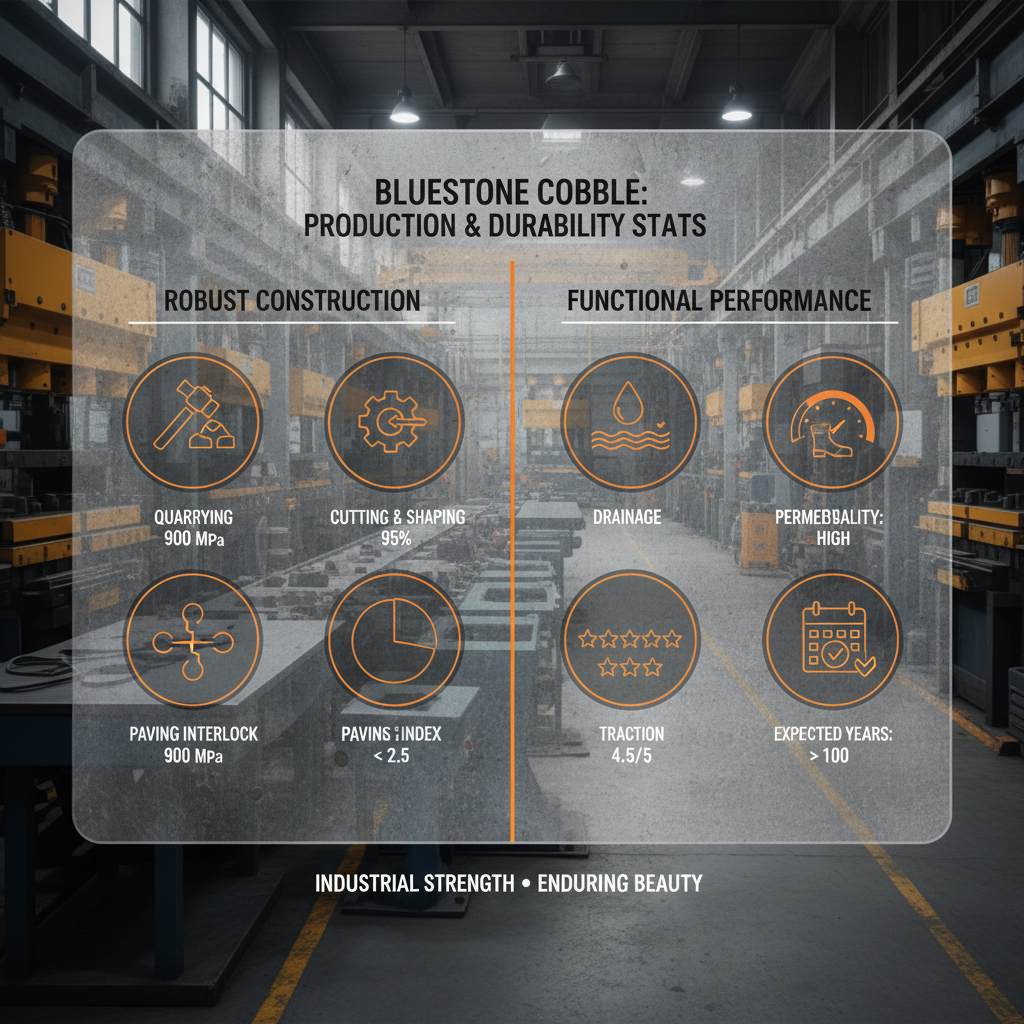
One of the key attributes of bluestone cobble is its exceptional durability. The metamorphic nature of the stone gives it a high compressive strength, meaning it can withstand significant weight and pressure without cracking or crumbling. This makes it ideal for high-traffic areas such as driveways and walkways.
Another crucial property is its natural slip resistance. The textured surface created by the hand-splitting process provides excellent traction, even when wet, enhancing safety. This is particularly important in outdoor areas where water accumulation is common.
Furthermore, bluestone cobble exhibits excellent resistance to weathering and erosion. It can withstand freeze-thaw cycles without significant damage, making it suitable for climates with harsh winters. Its natural composition also makes it resistant to staining and fading, ensuring long-lasting aesthetic appeal.
Practical Applications of Bluestone Cobble
Bluestone cobble finds a wide range of practical applications in both residential and commercial settings. Common uses include driveway paving, patio construction, walkway design, and pool decking. Its versatility allows it to be incorporated into a variety of landscaping styles, from traditional to modern.
Beyond landscaping, bluestone cobble is also used in architectural applications, such as building facades, retaining walls, and fireplace surrounds. Its natural aesthetic complements a variety of building materials and architectural styles.
Bluestone Cobble Application Rating
Global Deployment of bluestone cobble
Bluestone cobble is utilized globally, with significant concentrations in Europe, North America, and Australia. In Europe, particularly Belgium, it remains a dominant paving material in historic city centers and residential areas. North America has seen a surge in popularity due to increased demand for natural stone landscaping.
In post-disaster relief operations, bluestone cobble has been used to create durable and accessible pathways in areas affected by natural disasters. Its ability to withstand harsh conditions and provide a stable surface makes it invaluable in these situations. In remote industrial zones, it’s deployed for access roads and hard standing areas due to its durability and low maintenance requirements.
Long-Term Value & Benefits of bluestone cobble
The tangible benefits of bluestone cobble extend far beyond aesthetics. Its exceptional durability translates to a long lifespan, reducing the need for costly replacements. This long-term value makes it a financially sound investment for homeowners and developers. Furthermore, its natural composition contributes to a smaller environmental footprint, aligning with sustainable building practices.
From an emotional perspective, bluestone cobble evokes a sense of timeless elegance and natural beauty. It enhances the aesthetic appeal of any space and adds a touch of sophistication. The inherent reliability of the material instills a sense of trust and peace of mind, while its unique character fosters a connection with nature.
The longevity of bluestone cobble minimizes maintenance needs, saving time and resources. Its inherent strength and resistance to weathering ensure it remains functional and visually appealing for decades, increasing property value and enhancing overall quality of life.
Future Trends and Innovations in bluestone cobble Usage
Innovations in stone cutting and finishing techniques are expanding the possibilities for bluestone cobble applications. New methods of processing allow for more precise cuts and finishes, opening doors to more intricate design patterns and architectural details. The integration of sustainable sourcing practices is also gaining traction, ensuring responsible quarrying and minimizing environmental impact.
The increased emphasis on green building and sustainable landscaping is further driving demand for natural stone materials like bluestone cobble. Its compatibility with permeable paving systems, which promote stormwater management and reduce runoff, makes it an ideal choice for environmentally conscious projects. This aligns with global initiatives aimed at reducing carbon footprints and promoting ecological balance.
Digital technologies, such as 3D modeling and virtual reality, are being used to visualize bluestone cobble installations before construction begins, allowing for more informed design decisions and improved project outcomes. This is paving the way for more customized and aesthetically pleasing applications of this enduring material.
Analysis of Factors Influencing Bluestone Cobble Project Success
| Project Budget |
Material Quality |
Installation Expertise |
Regional Climate Impact |
| Low (Under $5/sq ft) |
Standard Grade (7/8" thickness) |
DIY with moderate experience |
Mild Winters, Minimal Freeze-Thaw Cycles |
| Medium ($5-$10/sq ft) |
Premium Grade (1"+ thickness) |
Professional Installation Recommended |
Moderate Winters, Occasional Freeze-Thaw Cycles |
| High (Over $10/sq ft) |
Select Grade (Hand-Picked Stones) |
Certified Bluestone Installers |
Severe Winters, Frequent Freeze-Thaw Cycles |
| Variable |
Recycled/Reclaimed Bluestone |
Experienced DIY or Professional |
Coastal Environments (Salt Exposure) |
| Low-Medium |
Imported Bluestone (Variable Quality) |
Basic Installation Skills |
Hot, Arid Climates (UV Exposure) |
| High |
Locally Sourced Bluestone |
Specialized Bluestone Installation |
Areas with High Rainfall/Drainage Concerns |
FAQS
Bluestone cobble offers several advantages over concrete pavers. It boasts a far longer lifespan, often exceeding a century with proper care, while concrete typically needs replacing every 20-30 years. Bluestone’s natural texture provides superior slip resistance, even when wet, a feature often lacking in smoother concrete surfaces. Finally, bluestone's aesthetic appeal is unmatched, offering a unique, timeless look that enhances property value.
Maintaining bluestone cobble is relatively straightforward. Regular sweeping to remove debris is key. Periodic washing with a mild detergent and water can remove stains and grime. Re-sanding the joints between the stones every few years helps maintain stability and prevent weed growth. Sealing the bluestone can enhance its color and provide additional protection against staining, though it's not always necessary.
Yes, bluestone cobble is considered a highly eco-friendly paving option. It's a natural material, requiring minimal processing compared to concrete. Its long lifespan reduces the need for frequent replacements, minimizing waste. Bluestone can also be incorporated into permeable paving systems, allowing rainwater to drain naturally and reducing stormwater runoff. Choosing locally sourced bluestone further reduces its carbon footprint.
The cost of bluestone cobble installation can vary significantly depending on several factors, including the quality of the stone, the complexity of the design, and the labor costs in your area. Generally, you can expect to pay between $8 and $20 per square foot, including materials and installation. Premium quality bluestone and intricate designs will be on the higher end of the price range.
Yes, bluestone cobble is well-suited for areas with freezing temperatures. Its dense, non-porous structure makes it highly resistant to damage from freeze-thaw cycles. However, proper installation with a well-draining base is crucial to prevent water from accumulating under the stones, which could lead to shifting or cracking over time.
Bluestone cobble's versatility allows it to complement a wide range of design styles. It looks stunning in traditional European gardens, rustic farmhouse landscapes, and elegant formal gardens. It also pairs beautifully with modern and contemporary designs, adding a touch of natural texture and sophistication. The natural variations in color and texture make it a visually interesting element in any landscape.
Conclusion
In conclusion, bluestone cobble represents more than just a paving material; it's an investment in durability, sustainability, and aesthetic appeal. Its rich history, exceptional properties, and wide range of applications make it a compelling choice for homeowners, landscapers, and architects alike. From driveways and patios to building facades and public spaces, bluestone cobble enhances the beauty and functionality of any environment.
Looking ahead, the continued innovation in stone cutting techniques and the growing emphasis on sustainable building practices will further expand the possibilities for bluestone cobble usage. By embracing responsible sourcing and installation methods, we can ensure that this timeless material continues to grace our landscapes and structures for generations to come. For more information on bluestone cobble and its applications, visit our website: www.lsxcigna.com