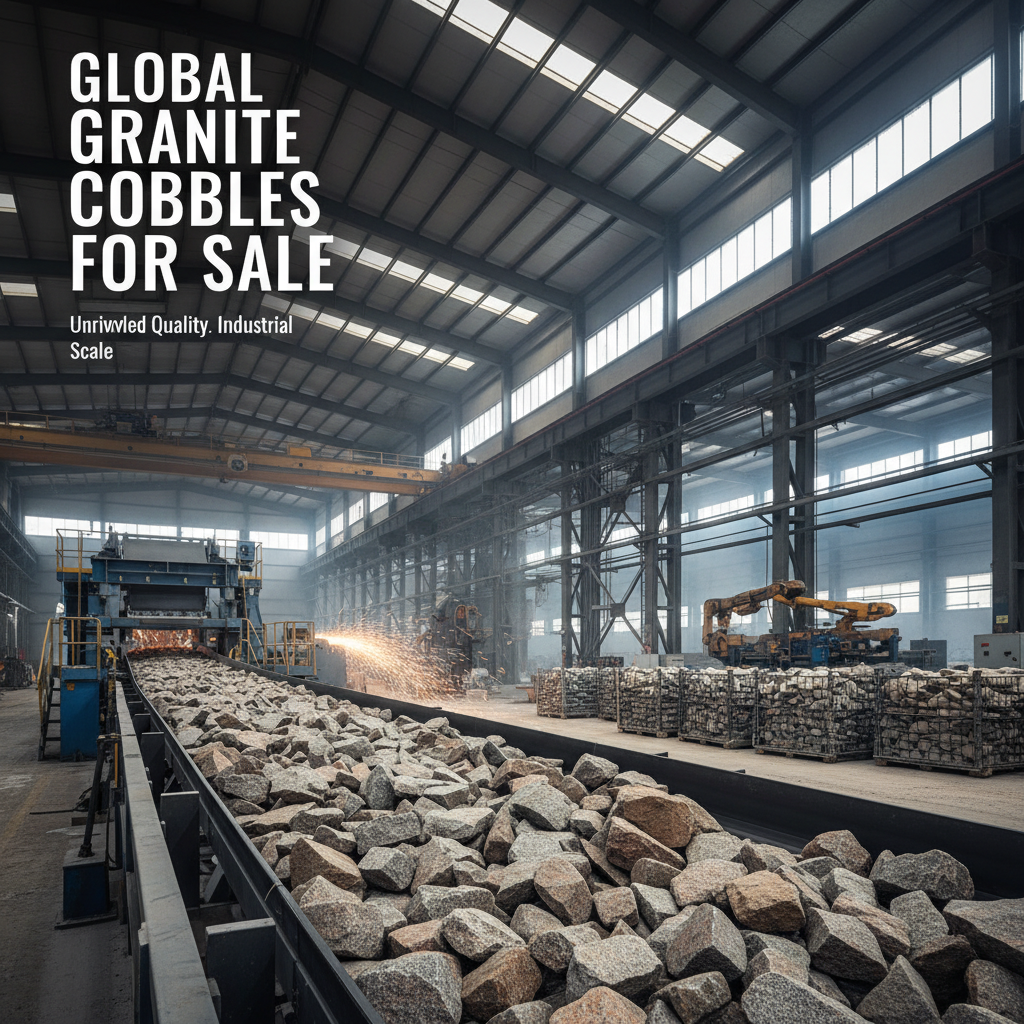
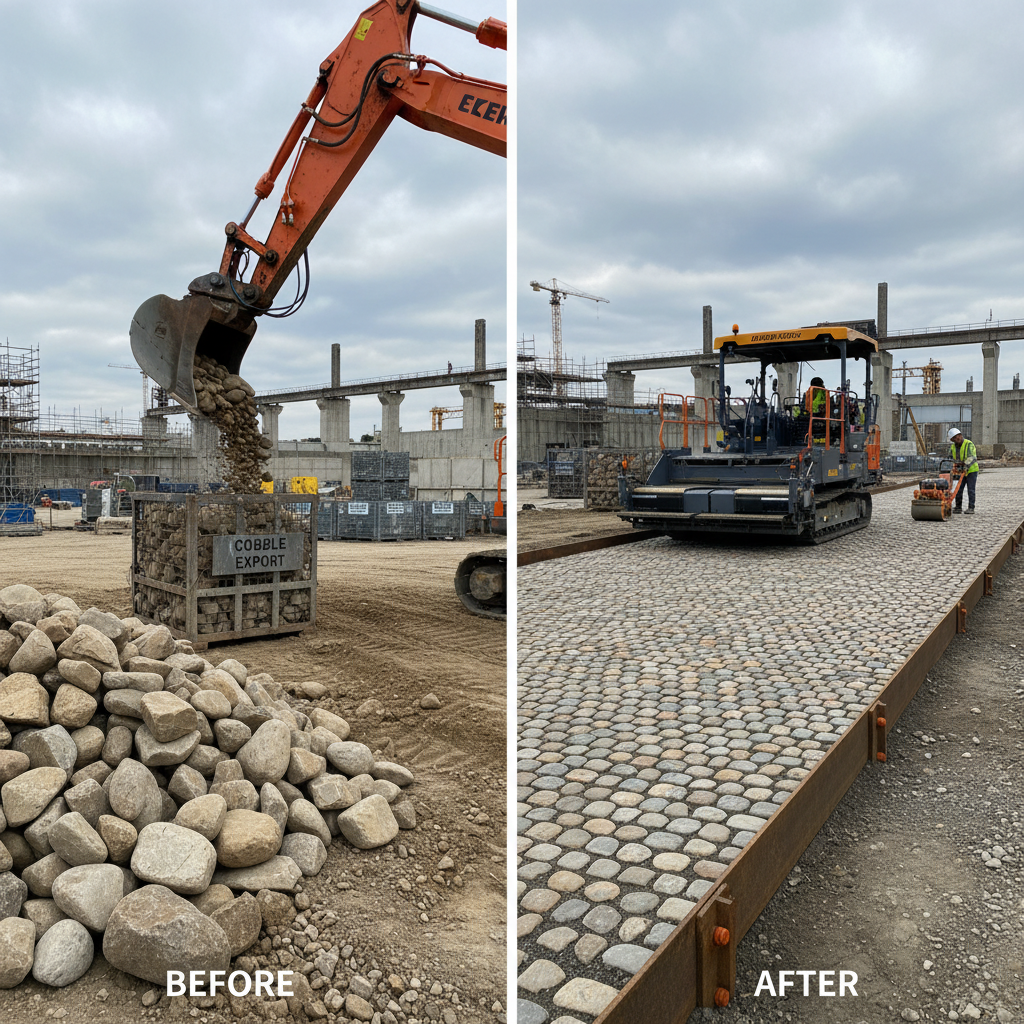
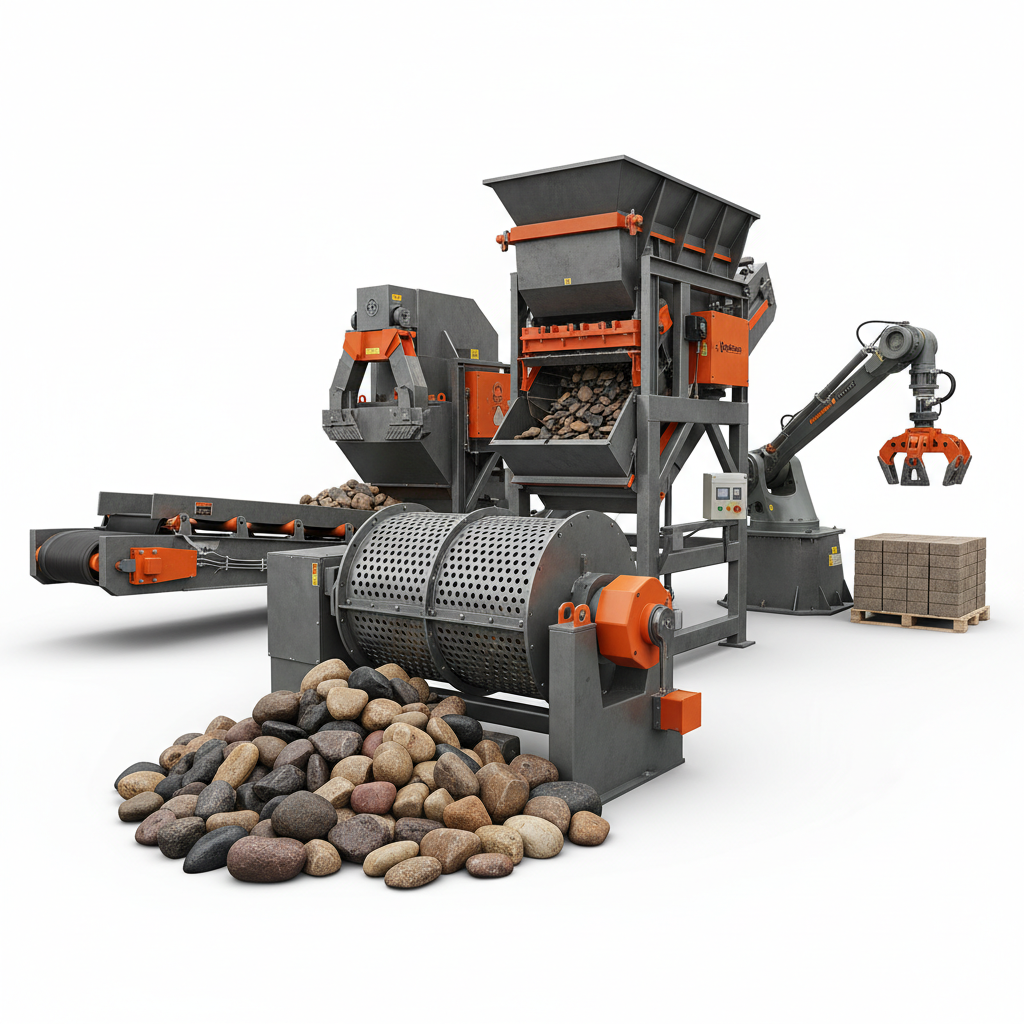
Granite cobbles for sale represent a cornerstone of durable and aesthetically pleasing paving solutions globally. From historical city centers to modern landscaping projects, these naturally resilient stones offer a timeless quality that endures for generations. The demand for granite cobbles for sale is fueled by a desire for authenticity, longevity, and enhanced property value. This demand stretches across continents, impacting trade, construction, and local economies.
The global market for granite cobbles for sale is substantial and consistently growing, valued at approximately $8.5 billion in 2023 with a projected CAGR of 4.2% through 2030 (Source: Industry Research Report, 2024). This growth is driven by increased urbanization, infrastructure development in emerging economies, and a renewed focus on historical preservation. However, challenges remain regarding sustainable sourcing, transportation costs, and consistent quality control, aspects that influence accessibility and affordability.
Understanding the nuances of granite cobbles for sale – from material grading and processing techniques to logistics and installation – is crucial for architects, contractors, and homeowners alike. Choosing the right type of cobble, sourced responsibly, and installed correctly ensures a lasting investment and contributes to a more beautiful and functional built environment. This guide aims to provide a comprehensive overview of this important material.
The Foundations of Granite Cobbles for Sale
Granite cobbles for sale have a rich historical lineage, dating back to Roman road construction. Their enduring popularity stems from granite's inherent strength, resistance to weathering, and unique aesthetic appeal. The process of obtaining and preparing these cobbles—from quarrying to shaping and polishing—impacts their cost and quality, significantly influencing the overall value proposition for buyers.
Today, granite cobbles are sourced from various regions worldwide, including Brazil, India, Portugal, and China. The specific granite variety (e.g., gray granite, pink granite, black granite) influences the color, texture, and overall appearance of the cobbles, affecting their suitability for different design applications. Understanding these variations is paramount when making purchasing decisions for granite cobbles for sale.
Defining Granite Cobbles for Sale
Granite cobbles for sale are naturally occurring, roughly rounded stones composed primarily of quartz, feldspar, and mica. They differ from other paving materials like concrete or brick in their natural origin, resulting in variations in color, shape, and texture. The term "cobble" typically refers to stones between 2.5 and 6 inches in diameter, although sizes can vary depending on the application and source.
In the modern context, granite cobbles for sale are frequently used in landscaping, driveway construction, pathway design, and historical restoration projects. They are valued for their ability to withstand heavy foot traffic, extreme weather conditions, and the test of time. Sourcing authentic granite cobbles is crucial for ensuring long-term durability and aesthetic consistency.
The connection to modern industry extends beyond aesthetics. The quarrying and processing of granite cobbles support local economies, provide employment opportunities, and contribute to the overall building materials supply chain. Ethical and sustainable sourcing practices are increasingly important, ensuring that the production of granite cobbles minimizes environmental impact and respects worker rights.
Key Characteristics of Premium Granite Cobbles
Durability is perhaps the most defining characteristic of granite cobbles for sale. Granite’s exceptional compressive strength—typically exceeding 140 MPa—ensures they can withstand significant weight and pressure without cracking or crumbling. This makes them ideal for high-traffic areas and demanding environments.
Natural Variation creates a unique aesthetic appeal. Each granite cobble possesses subtle differences in color, texture, and shape, resulting in a visually rich and organic appearance. This contrasts with the uniformity of manufactured paving materials, offering a more natural and characterful look.
Slip Resistance is enhanced by the naturally textured surface of granite cobbles. Unlike smooth surfaces, the slightly rough texture provides increased traction, reducing the risk of slips and falls, especially in wet or icy conditions. This is a critical safety feature for pedestrian areas.
Performance Metrics for Granite Cobbles
Assessing the performance of granite cobbles for sale requires considering several key metrics beyond simple durability. These metrics help quantify their suitability for specific applications and ensure long-term value. Understanding these parameters allows for informed purchasing decisions and optimized project outcomes.
Factors such as water absorption rate, abrasion resistance, and compressive strength directly impact the longevity and performance of granite cobbles. Higher abrasion resistance indicates greater resistance to wear and tear from foot traffic and weathering, extending the lifespan of the paving surface.
Granite Cobbles for Sale – Performance Rating
Global Applications of Granite Cobbles
Granite cobbles for sale find diverse applications worldwide. In Europe, they are extensively used in historical city centers—like Rome, Prague, and Lisbon—for street paving and square construction, preserving the architectural integrity of these locations. These applications prioritize aesthetic harmony and long-term durability.
In North America, granite cobbles are commonly employed in driveway construction, pedestrian walkways, and landscape design. Their natural beauty and resilience make them a popular choice for upscale residential properties and commercial developments. In post-disaster relief operations, durable materials like granite cobbles are increasingly considered for rebuilding infrastructure due to their longevity and minimal maintenance requirements.
The Enduring Value of Granite Cobbles
The advantages of choosing granite cobbles for sale extend beyond their functional benefits. They contribute to a sense of place, evoking a feeling of timelessness and quality. This aesthetic value translates into increased property value and enhanced curb appeal.
From a sustainability perspective, granite is a naturally abundant material, and its longevity minimizes the need for frequent replacement, reducing waste and resource consumption. Choosing granite cobbles is an investment in a durable, aesthetically pleasing, and environmentally responsible paving solution.
The long-term reliability of granite cobbles results in lower maintenance costs compared to materials like asphalt or concrete, which require periodic resurfacing or repairs. This cost-effectiveness, coupled with their aesthetic appeal, makes them a compelling choice for both residential and commercial projects.
Sustainable Sourcing and Future Trends
Sustainable sourcing is becoming increasingly critical in the granite cobbles for sale industry. Consumers and businesses are demanding greater transparency regarding quarrying practices, environmental impact, and worker welfare. Certifications like ISO 14001 are becoming essential for demonstrating commitment to responsible sourcing.
Future trends include the development of innovative processing techniques to minimize waste and energy consumption during granite cobble production. The integration of digital technologies—such as 3D scanning and virtual reality—is also emerging, allowing for more precise design and installation of granite cobble paving surfaces.
Automation in quarrying and fabrication processes will further enhance efficiency and reduce costs, making granite cobbles more accessible to a wider range of consumers. The continued emphasis on sustainability and innovation will drive the evolution of the granite cobbles for sale industry in the years to come.
Analysis of Sustainable Sourcing Factors for Granite Cobbles
| Sourcing Region |
Environmental Impact |
Labor Standards |
Certification Status |
| Brazil |
Moderate (Deforestation risk in some areas) |
Generally good, but monitoring needed |
ISO 9001, Some suppliers with Fair Trade certification |
| India |
High (Water usage and waste management concerns) |
Variable, requiring due diligence |
Limited certifications, increasing adoption of ISO standards |
| Portugal |
Low (Strict environmental regulations) |
Excellent, strong worker protections |
ISO 14001, CE Marking |
| China |
Variable (Dependent on specific quarry) |
Improving, but concerns remain |
Increasing adoption of ISO standards |
| Italy |
Moderate (Quarry rehabilitation efforts underway) |
Good, strong labor laws |
ISO 9001, European Union regulations |
| Spain |
Low (Sustainable quarrying practices increasingly adopted) |
Very Good, strict worker safety standards |
ISO 14001, EU Ecolabel |
FAQS
When installed correctly on a stable base, granite cobbles can last for centuries. Historical examples demonstrate their remarkable durability, often outlasting other paving materials. With minimal maintenance, they can withstand heavy foot traffic, extreme weather, and the test of time, making them a truly long-term investment. Proper base preparation and jointing are key to preventing settling and ensuring longevity.
Granite cobbles generally offer better slip resistance than smooth paving materials like polished concrete or tile. The naturally textured surface of the stone provides increased traction, even when wet. However, the degree of slip resistance can vary depending on the finish of the cobble (e.g., flamed, bush-hammered). Choosing a textured finish is recommended for areas prone to wetness or ice.
Initially, granite cobbles often have a higher upfront cost compared to materials like asphalt or concrete pavers. However, their exceptional durability and minimal maintenance requirements result in lower lifecycle costs. Over time, the need for fewer repairs and replacements makes granite cobbles a more cost-effective solution. The price varies depending on the granite type, size, and sourcing location.
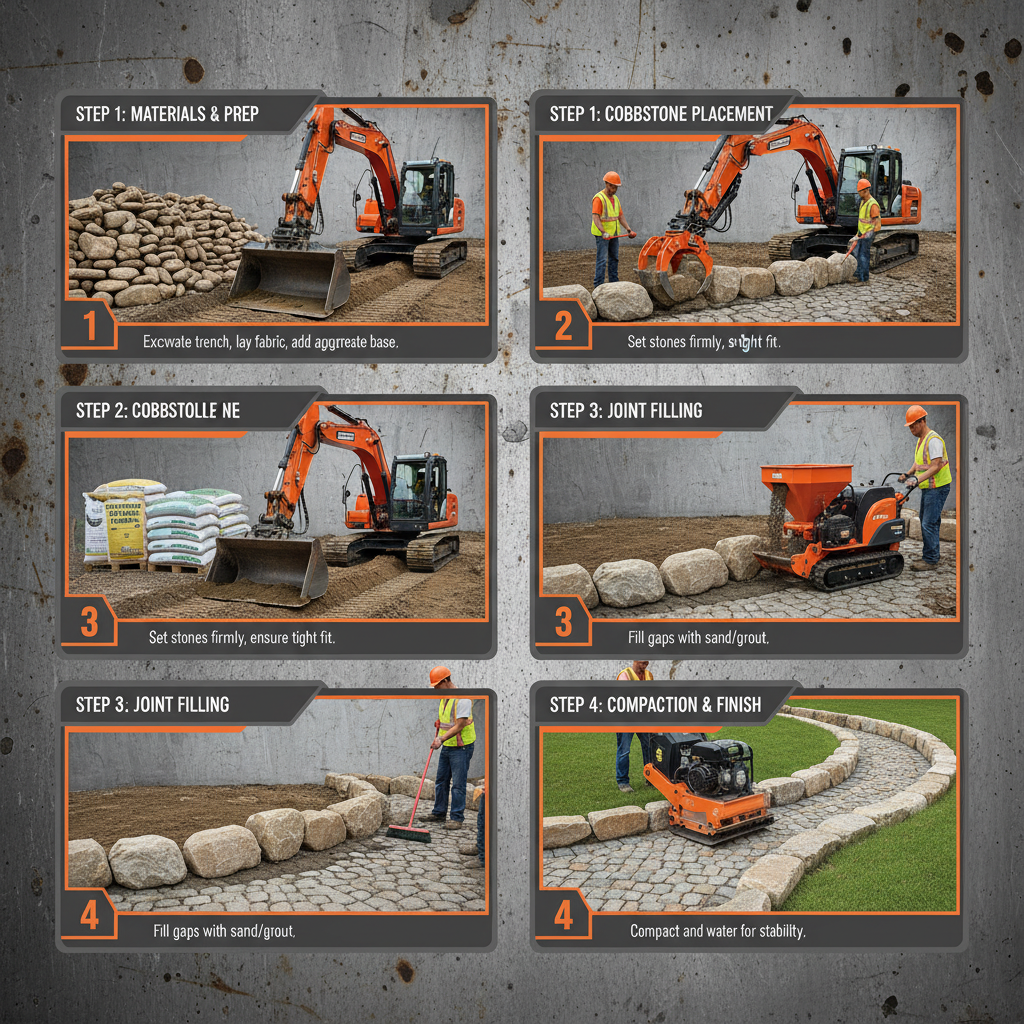
Proper base preparation is crucial for the stability and longevity of a granite cobble installation. Typically, a compacted subgrade layer is required, followed by a granular base layer (e.g., crushed stone or gravel) that provides drainage and support. A leveling sand or polymeric sand layer is then applied to create a smooth surface for the cobbles. Compaction is essential at each layer.
Choosing granite cobbles from quarries with sustainable practices, such as responsible water management and waste reduction, is an environmentally friendly option. Opting for locally sourced granite minimizes transportation emissions. Using permeable paving techniques with polymeric sand allows for rainwater infiltration, reducing stormwater runoff.
Granite cobbles are relatively easy to maintain. Regular sweeping to remove debris is sufficient for most applications. For deeper cleaning, a mild detergent and water solution can be used. Avoid harsh chemicals or abrasive cleaners, as they can damage the stone's surface. Periodic re-sanding of the joints with polymeric sand helps maintain stability and prevent weed growth.
Conclusion
Granite cobbles for sale represent a compelling combination of aesthetic appeal, durability, and long-term value. From their historical roots to modern applications, these natural stones continue to enhance landscapes and infrastructure worldwide. Understanding the factors influencing quality, sustainability, and performance is essential for making informed purchasing decisions.
Investing in granite cobbles is not merely a construction choice; it’s a commitment to enduring quality and timeless beauty. As sustainable sourcing and innovative technologies continue to evolve, granite cobbles will undoubtedly remain a preferred paving material for generations to come. For more information and to explore our selection of premium granite cobbles, visit our website: granite cobbles for sale.