Look, I’ve spent the last fifteen years knee-deep in concrete dust, talking to contractors, and watching crews lay everything from pavers to full-blown retaining walls. One thing I’ve learned is this: a clean, defined edge isn’t just about aesthetics, it's about a job done right. That’s where the cobblestone edger block comes in. It’s not glamorous, but it’s fundamental. It's about keeping gravel in place, preventing patios from looking sloppy, and ultimately, building something that lasts. We’re not talking about some fancy design element here; we’re talking about the backbone of solid landscaping.
For too long, guys have been improvising – using wood, plastic, even just compacted earth – to create those edges. It works…sometimes. But that improvisation leads to settling, shifting, and a whole lot of callbacks. A proper cobblestone edger block solves that. It gives you a consistent, durable boundary that holds up to weather, foot traffic, and everything else life throws at it. It also drastically speeds up installation, and in this business, time is money.
Honestly, it’s a small investment that makes a huge difference in the overall quality and longevity of a project. I've seen projects delayed, budgets blown, and reputations damaged over something as simple as a poorly defined edge. That’s why I always push for using a quality cobblestone edger block. It's the little details that separate the pros from the amateurs.
The Importance of a Defined Edge
Let’s be real, a landscape looks unfinished without a clear edge. It's like a sentence without a period. From driveways to flowerbeds, a well-defined border instantly elevates the look and feel of any outdoor space. More importantly, it functions better. Without a proper edger, you’re constantly fighting against erosion, shifting gravel, and an overall messy appearance. I see it all the time – crews skipping this step to save a few bucks, only to have the client calling back months later complaining about things sliding around.
And it’s not just aesthetics. Proper edging provides structural integrity, especially in areas with sloped terrain. It helps prevent soil runoff, protects adjacent surfaces, and ultimately, contributes to the long-term stability of the entire landscaping project. We're talking about preventing expensive repairs down the road.
Defining Cobblestone Edger Block
A cobblestone edger block isn’t just a pretty stone; it’s a purpose-built component. Typically made from concrete, they’re designed to provide a robust, long-lasting barrier. They come in a variety of shapes, sizes, and colors, but the core principle is the same: a solid, interlocking unit that holds its shape and resists the forces of nature. We're not talking about rounded river rocks here; we’re talking about precisely manufactured blocks specifically for this application.
Think of it as the foundation of your edge. It's the element that anchors everything else in place. They're designed to withstand compression, freeze-thaw cycles, and the weight of the materials they're containing – whether it's gravel, mulch, or even a paved pathway.
This is a far cry from the old days of stacking stones haphazardly. Modern cobblestone edger block systems are engineered for performance and longevity, directly addressing the need for reliable, low-maintenance landscaping features.
Key Factors of Effective Edger Blocks
Durability is paramount. You want a block that can withstand years of exposure to the elements without crumbling or deteriorating. Concrete composition, manufacturing processes, and even the aggregate used all play a role. I always look for blocks that meet or exceed industry standards for compressive strength.
Interlocking design is critical. The ability of the blocks to securely connect to one another creates a stable, unified edge that resists shifting and separation. Some systems even utilize pins or adhesive for added security, especially on slopes or high-traffic areas.
Ease of installation is a huge factor for crews. Blocks that are heavy, awkwardly shaped, or require specialized tools are going to slow down the job and increase labor costs. Look for blocks that are designed for quick and easy placement, minimizing the need for cutting or complex adjustments.
Global Applications of Cobblestone Edger Block
These aren't just for suburban lawns. I’ve seen cobblestone edger block used in everything from commercial parking lots to public parks. In Europe, they’re a staple in historic city centers, used to delineate pedestrian walkways and protect architectural features.
In North America, they’re becoming increasingly popular in residential landscaping, as well as for retaining wall construction and erosion control projects. They’re even used in some industrial settings to define pathways and prevent the spread of loose materials.
I was on a job site in Australia last year where they were utilizing specialized edger blocks to create pathways through native bushland – protecting the environment while still providing access. It's a surprisingly versatile product.
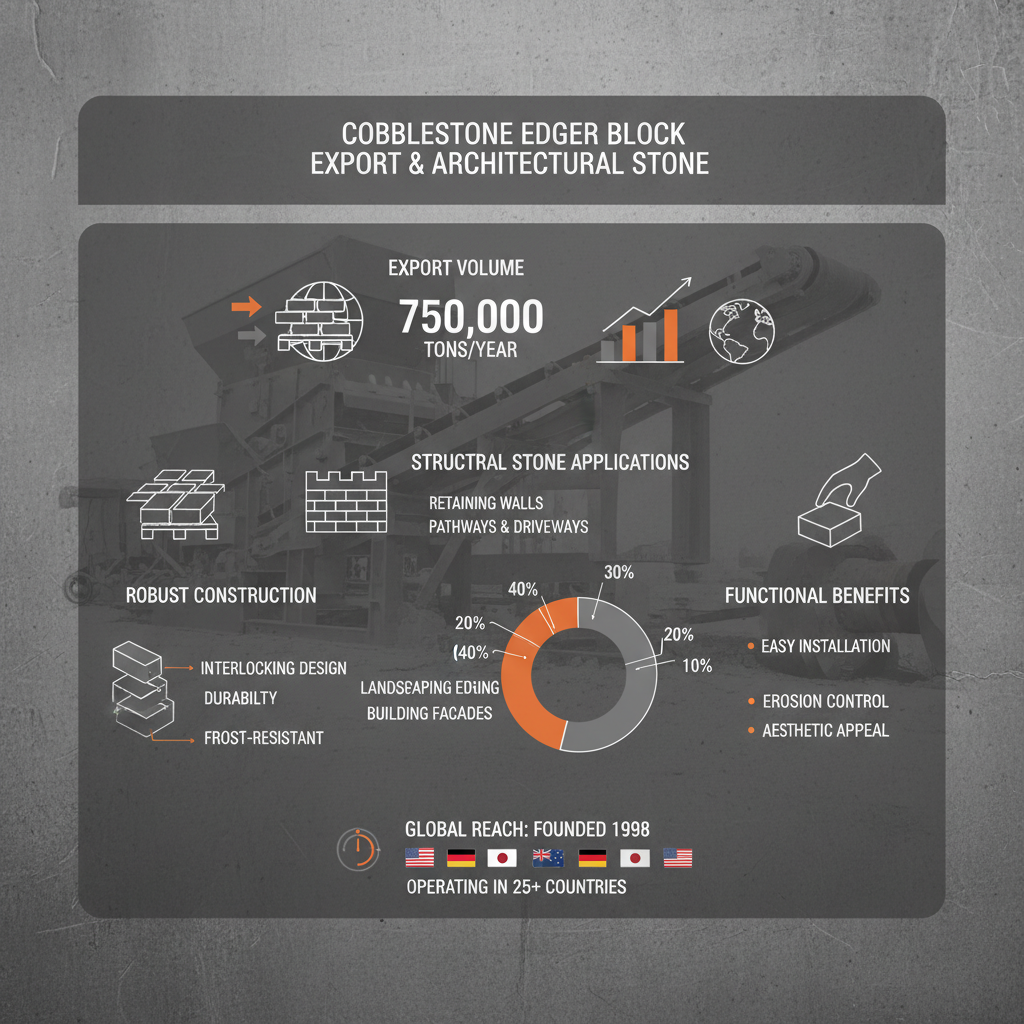
Cobblestone Edger Block Performance Metrics
Advantages and Long-Term Value
From a purely economic standpoint, using cobblestone edger block saves money in the long run. Reduced maintenance, fewer repairs, and increased property value all contribute to a solid return on investment. You’re not constantly patching up a crumbling edge.
But it's more than just money. A well-defined edge provides a sense of completion, of quality craftsmanship. It adds to the overall aesthetic appeal of a property, creating a more inviting and enjoyable outdoor space. That emotional value is significant, especially for homeowners.
Future Trends and Innovations
We’re seeing a move towards more sustainable materials. Manufacturers are experimenting with recycled aggregates and bio-based binders to reduce the environmental impact of cobblestone edger block production. There’s also a growing interest in permeable edger blocks that allow for better water drainage, helping to mitigate stormwater runoff.
I also expect to see more automation in the manufacturing process, leading to tighter tolerances, more consistent quality, and potentially lower prices. And with the rise of smart landscaping systems, we might see edger blocks integrated with sensors and lighting for added functionality.
Challenges & Solutions in Edger Block Use
One common challenge is improper installation. If the base isn’t properly prepared, or the blocks aren’t set correctly, you’re going to have problems down the road. Training crews on proper installation techniques is crucial.
Another issue is selecting the right block for the application. A lightweight block might be fine for a simple flowerbed, but you’ll need something more robust for a driveway or retaining wall. Understanding the load-bearing requirements and environmental conditions is key.
Finally, dealing with uneven terrain can be tricky. Using shims or a flexible adhesive can help to compensate for minor variations, but in extreme cases, you may need to excavate and level the ground before installation.
Summary of Common Edger Block Challenges and Solutions
| Challenge |
Impact |
Solution |
Prevention |
| Improper Base Preparation |
Settling & Shifting |
Compaction, Gravel Base |
Thorough Site Assessment |
| Incorrect Block Selection |
Structural Failure |
Load-Bearing Calculation |
Material Specification Review |
| Uneven Terrain |
Instability |
Shims, Adhesive |
Site Leveling |
| Poor Interlocking |
Edge Separation |
Secure Block Placement |
Quality Control Check |
| Inadequate Drainage |
Water Damage |
Permeable Blocks, Drainage Systems |
Site Hydrology Analysis |
| Freeze-Thaw Cycles |
Block Degradation |
Freeze-Resistant Blocks |
Proper Material Selection |
FAQS
A well-compacted gravel base is essential. We typically recommend a 4-6 inch layer of crushed stone, properly compacted with a plate compactor. This provides a stable foundation and ensures proper drainage. Avoid using topsoil or organic materials as a base, as they will decompose and cause the edger blocks to settle. Proper preparation is 90% of the battle.
A wet saw with a diamond blade is the best tool for cutting cobblestone edger block. Using water keeps the blade cool and reduces dust. Always wear safety glasses and gloves. For smaller adjustments, a chisel and hammer can be used, but it requires more skill and patience. Precision is key for a clean look.
Yes, but it requires careful planning. You’ll need to ensure a stable base and potentially use pins or adhesive to secure the blocks in place. Terracing the slope can also help to create a more stable foundation. Consider the potential for erosion and runoff when designing the installation.
Concrete edger blocks are generally more affordable and consistent in size and shape. Natural stone edger blocks offer a more rustic, organic look, but they can be more expensive and require more skilled installation. The choice depends on your budget, aesthetic preferences, and project requirements.
A landscape fabric underlayment can help prevent weed growth. You can also fill the gaps between the blocks with polymeric sand, which hardens and creates a barrier against weeds. Regular maintenance, such as hand-pulling any weeds that do appear, is also important.
With proper installation and maintenance, a cobblestone edger block edge can last for decades. High-quality concrete blocks are extremely durable and resistant to weathering. Regularly inspect the edge for any signs of settling or damage and address any issues promptly to ensure its longevity.
Conclusion
Cobblestone edger block isn't about flash; it’s about fundamental good practice. It’s about building something that lasts, that looks professional, and that saves headaches down the road. It’s the unsung hero of landscaping, the foundation upon which beautiful and durable outdoor spaces are built. From its versatility in diverse applications to its long-term cost savings, the benefits are clear.
I encourage anyone considering a landscaping project – whether it’s a small backyard patio or a large commercial development – to invest in quality cobblestone edger block. It's a small price to pay for peace of mind and a job well done. Visit our website at www.lsxcigna.com to learn more about our selection of edger blocks and find the perfect solution for your project.