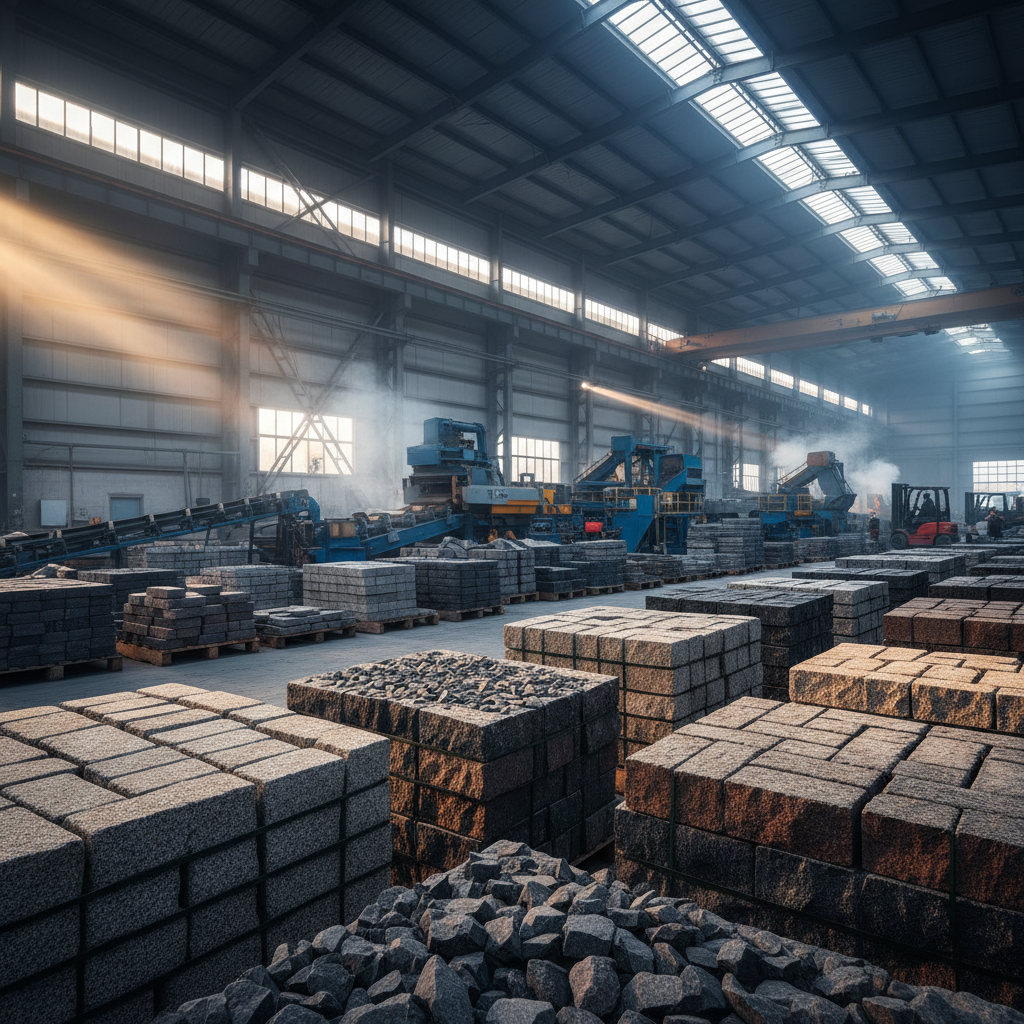
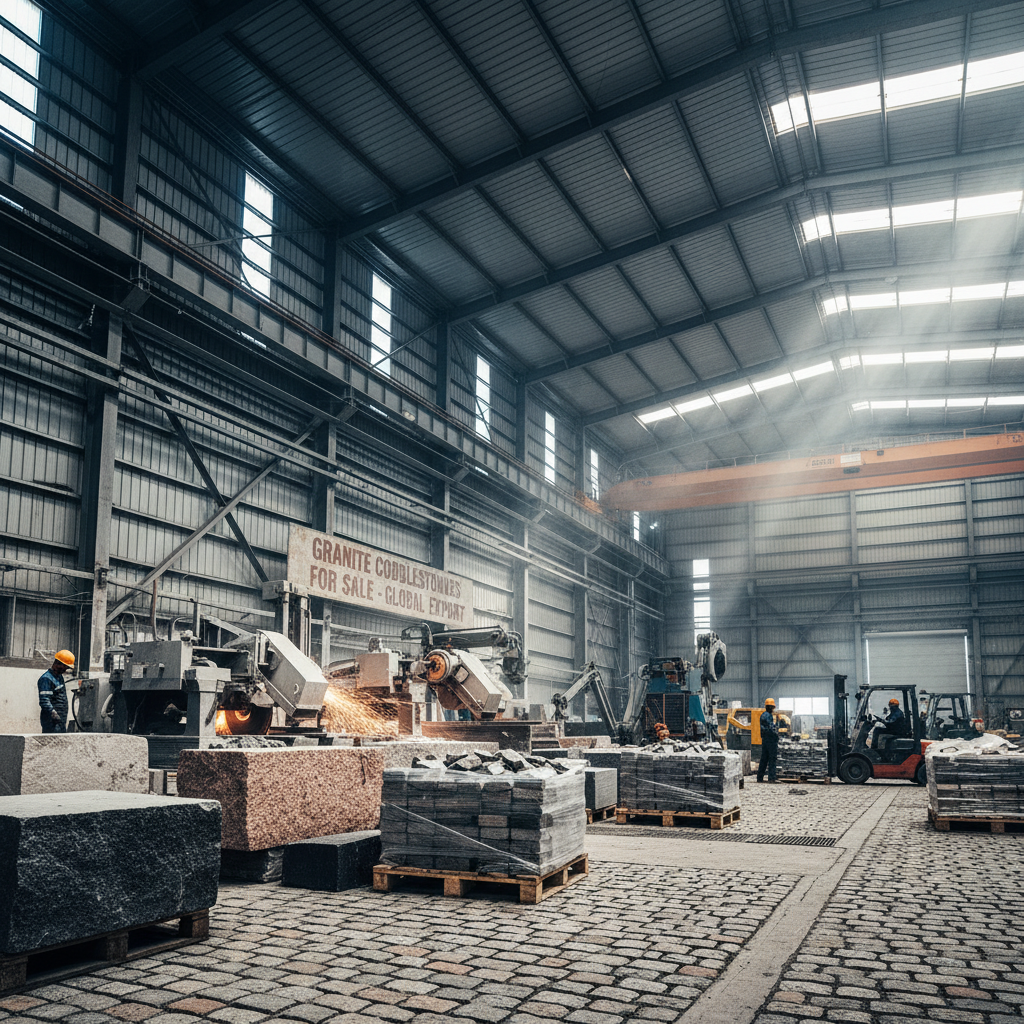
Old cobblestones for sale represent more than just historical materials; they’re a connection to the past, a sustainable building resource, and a unique aesthetic element increasingly sought after in modern construction and landscaping. The global demand for reclaimed building materials is rising, driven by a desire for authenticity, environmental responsibility, and distinctive design. This growing interest positions old cobblestones for sale as a valuable commodity with a broad appeal, extending beyond simply replacing worn paving to encompassing restoration projects, artistic installations, and eco-conscious building initiatives.
The market for old cobblestones for sale is fueled by a resurgence in urban renewal projects worldwide, as cities seek to preserve their historical character while adapting to modern needs. From Europe’s ancient streets to North America’s revitalized downtown areas, the demand for genuine cobblestones is steadily increasing. Simultaneously, a heightened awareness of sustainable practices has boosted the appeal of reclaimed materials, reducing landfill waste and minimizing the environmental impact associated with new production. This creates a unique confluence of aesthetic preference and ethical consumption.
Understanding the nuances of sourcing, grading, and utilizing old cobblestones for sale is crucial for both suppliers and consumers. The quality, origin, and historical significance all contribute to the value and application of these materials, making informed decisions paramount. This knowledge empowers individuals and organizations to make responsible choices and contribute to the preservation of our built heritage.
The Enduring Appeal of old cobblestones for sale
The allure of old cobblestones for sale lies in their inherent character and the stories they tell. Each stone carries a history, a patina developed over decades, or even centuries, of use. This authenticity is highly valued in architectural projects seeking a sense of timelessness and connection to the past. Unlike modern paving materials, old cobblestones possess a unique texture and irregular shape that adds visual interest and tactile appeal.
This appeal extends beyond aesthetics; old cobblestones for sale represent a sustainable choice. Reclaiming these materials reduces the demand for new quarrying, conserving natural resources and minimizing environmental disruption. The durability of these stones also contributes to their long-term sustainability, requiring less frequent replacement and reducing lifecycle costs.
Global Market Dynamics for old cobblestones for sale
The global market for old cobblestones for sale is experiencing significant growth, driven by increasing demand from both residential and commercial sectors. Europe remains a major source of reclaimed cobblestones, with substantial quantities originating from street renovations and infrastructure projects. However, growing demand from North America, Asia, and Australia is expanding the market’s reach. The supply chain involves specialized reclamation companies, antique dealers, and online marketplaces, catering to diverse customer needs.
Price fluctuations are influenced by factors such as stone type, origin, size, and condition. Rare or historically significant cobblestones command higher prices. Shipping costs also play a crucial role, especially for international transactions. The industry is increasingly focused on ethical sourcing and traceability, ensuring the stones are obtained legally and responsibly.
The United Nations Environment Programme (UNEP) reports a consistent rise in the demand for sustainable building materials, aligning with the growing interest in old cobblestones for sale. This trend is reinforced by ISO 14001 standards promoting environmentally conscious practices within the construction industry, further incentivizing the use of reclaimed materials.
Defining Characteristics of old cobblestones for sale
Old cobblestones for sale are typically hand-cut or roughly shaped stones, traditionally granite, basalt, or sandstone, used for paving streets and public spaces. Their irregular shapes and varying sizes create a distinctive, textured surface. The ‘cobble’ itself is distinct from a ‘paving stone’ – a cobblestone is typically rounded or roughly worked, whereas a paving stone is more regularly shaped and laid on a prepared bed.
The age and origin significantly influence the characteristics of old cobblestones for sale. Stones from older settlements often exhibit greater wear and a more pronounced patina. The geological composition of the source region impacts color and durability; for example, granite cobblestones are known for their hardness and resistance to weathering, while sandstone is more porous and may exhibit a warmer hue.
Grading is an essential aspect of old cobblestones for sale, with stones typically categorized by size, shape, and condition. Higher-grade stones are often more uniform in size and have fewer chips or cracks, making them suitable for intricate paving patterns. Lower-grade stones may be more irregular but can still be used effectively in rustic or informal settings.
Key Factors Influencing old cobblestones for sale Value
Several key factors determine the value of old cobblestones for sale. Historical significance is paramount; stones originating from notable landmarks or historically important streets command premium prices. The type of stone also plays a vital role, with granite and basalt generally being more valuable due to their durability and aesthetic appeal.
The size and condition of the stones also impact value. Larger, well-preserved cobblestones are more desirable than smaller, heavily worn pieces. Rarity and demand further influence pricing; unique or less common stone types may fetch higher prices due to limited availability.
Old Cobblestones for Sale - Value Assessment Factors
Diverse Applications of old cobblestones for sale
Old cobblestones for sale offer a wide range of applications, extending beyond traditional street paving. They are increasingly popular for creating charming pathways in gardens and landscaping projects, adding a rustic and timeless aesthetic. Driveways paved with old cobblestones offer a durable and visually appealing alternative to concrete or asphalt.
Interior design benefits from the unique character of these stones. Old cobblestones are used in flooring, wall cladding, and fireplace surrounds, creating focal points and adding a touch of history to modern spaces. Artists and sculptors also utilize old cobblestones for creating unique installations and artistic expressions.
Advantages and Long-Term Benefits of Using old cobblestones for sale
The advantages of choosing old cobblestones for sale are numerous. From a financial perspective, they can be a cost-effective solution compared to new paving materials, particularly when sourcing locally. Environmentally, they promote sustainability by reducing waste and minimizing the need for new resource extraction.
Their exceptional durability ensures a long lifespan, requiring minimal maintenance and reducing lifecycle costs. Aesthetically, old cobblestones provide a unique and timeless appeal, enhancing the value and character of any project. Beyond the practical benefits, using reclaimed materials like old cobblestones embodies a commitment to responsible building practices and cultural preservation.
The inherent weight and interlocking nature of cobblestones create a stable and resilient surface, enhancing safety and reducing the risk of accidents. This durability, combined with their natural beauty, fosters a sense of permanence and connection to the past, adding value beyond mere functionality.
Future Trends and Sustainable Practices in old cobblestones for sale
The future of old cobblestones for sale is closely tied to the growing emphasis on sustainability and circular economy principles. We anticipate increased innovation in reclamation techniques, utilizing advanced technologies to efficiently extract and process cobblestones from urban environments. Digital platforms will streamline the sourcing and trading process, connecting suppliers with buyers globally.
Greater emphasis will be placed on traceability and certification, ensuring ethical sourcing and promoting transparency within the supply chain. The integration of smart technologies, such as sensor networks embedded within cobblestone pavements, could provide data on pedestrian traffic and environmental conditions.
Furthermore, research into enhancing the durability and resilience of old cobblestones through innovative treatments and coatings will likely emerge, extending their lifespan and expanding their applications. The trend towards biophilic design, incorporating natural elements into built environments, will further drive demand for authentic and sustainable materials like old cobblestones for sale.
Analysis of Old Cobblestone for Sale Sourcing and Quality
| Sourcing Region |
Stone Material |
Average Condition Score (1-10) |
Price per Ton (USD) |
| Belgium |
Granite |
8 |
250 |
| France |
Limestone |
7 |
180 |
| Germany |
Basalt |
9 |
280 |
| Italy |
Porphyry |
7.5 |
220 |
| Spain |
Sandstone |
6 |
150 |
| United Kingdom |
Granite |
8.5 |
260 |
FAQS
Old cobblestones are considered sustainable because they are reclaimed materials, diverting them from landfills and reducing the need to extract new resources. Their durability also means they last longer than many modern paving materials, reducing lifecycle replacement costs and waste. Choosing reclaimed materials like cobblestones actively supports a circular economy and minimizes environmental impact.
Assess the condition of the stones – look for excessive cracking or chipping. Consider the stone type; granite and basalt are typically more durable than sandstone. Check for consistent size and shape, depending on your project needs. Request information about the stone’s origin and any prior use to understand its history and potential weathering. A reputable supplier will provide detailed information and allow inspection.
Properly installed cobblestone pavements can last for centuries. They’ve been used for roads and public spaces for hundreds of years, demonstrating exceptional longevity. Their durability stems from the natural hardness of the stone and the way they interlock. While individual stones may require occasional replacement, the overall pavement can endure for generations with minimal maintenance.
The price of old cobblestones can vary widely depending on factors like stone type, origin, and condition. However, they are often comparable to, or even less expensive than, high-quality new paving materials. Factor in the long-term benefits – durability, reduced maintenance, and aesthetic appeal – and old cobblestones offer excellent value for money. Shipping costs can significantly impact the overall price, especially for international orders.
Installation of old cobblestones typically requires a skilled contractor experienced in working with these materials. Proper base preparation is crucial for stability and drainage. Due to the irregular shapes of the stones, careful setting and leveling are necessary. Choosing the appropriate mortar or bedding material is also important to ensure a durable and long-lasting pavement.
Look for established reclamation companies specializing in architectural salvage. Online marketplaces dedicated to reclaimed building materials can also be a good resource. Check for suppliers with positive customer reviews and a proven track record. Ask about the origin of the stones and ensure they have been legally and ethically sourced. A reputable supplier will be transparent about their processes and provide detailed product information.
Conclusion
Old cobblestones for sale offer a compelling blend of historical charm, sustainable practices, and enduring value. Their unique aesthetic, exceptional durability, and environmental benefits make them an increasingly desirable choice for a wide range of applications, from landscaping and paving to interior design and artistic installations. By embracing these reclaimed materials, we can contribute to a more sustainable built environment while preserving our cultural heritage.
Looking ahead, the market for old cobblestones for sale is poised for continued growth, driven by the escalating demand for eco-conscious building materials and the enduring appeal of authentic, timeless design. We encourage exploring this valuable resource and incorporating these beautiful stones into your next project. Visit our website at https://www.lsxcigna.com to learn more and discover our current inventory.