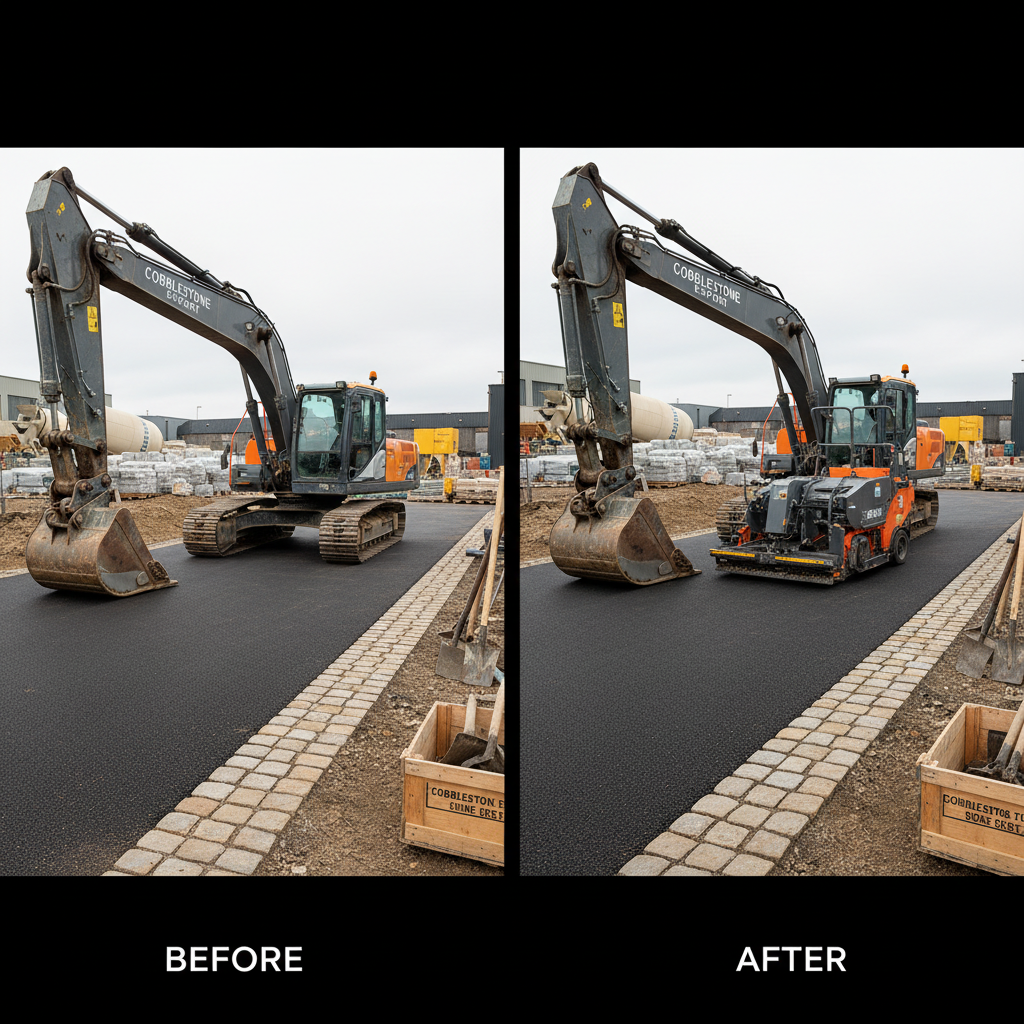
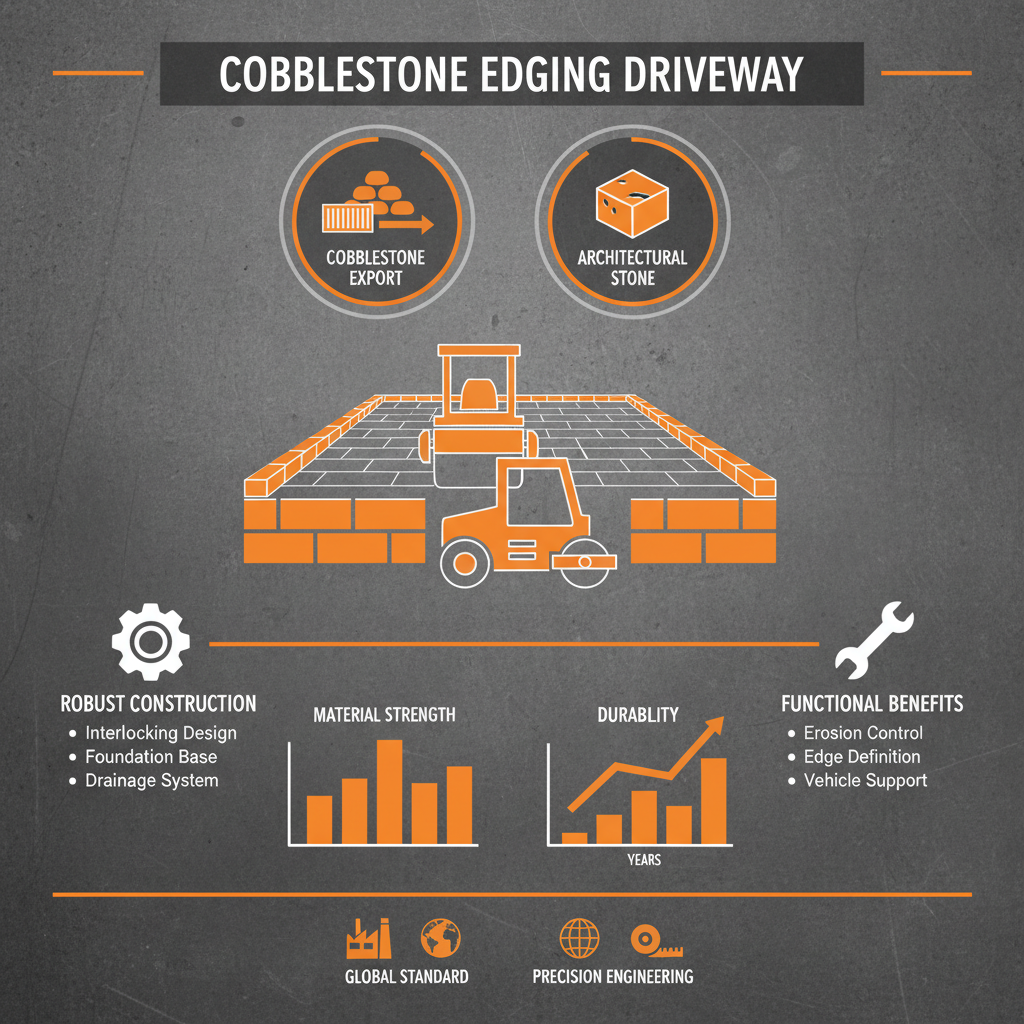
Cobblestone edging driveway solutions are experiencing a global resurgence, driven by a desire for durable, aesthetically pleasing, and environmentally sound landscaping options. From historic European city centers to modern suburban homes, the use of cobblestone to define driveways offers a timeless appeal and practical benefits. This trend is fueled by increasing awareness of sustainable drainage systems (SuDS) and the need to manage stormwater runoff effectively. Properly installed cobblestone edging driveway installations can significantly reduce water pollution and contribute to more resilient urban landscapes.
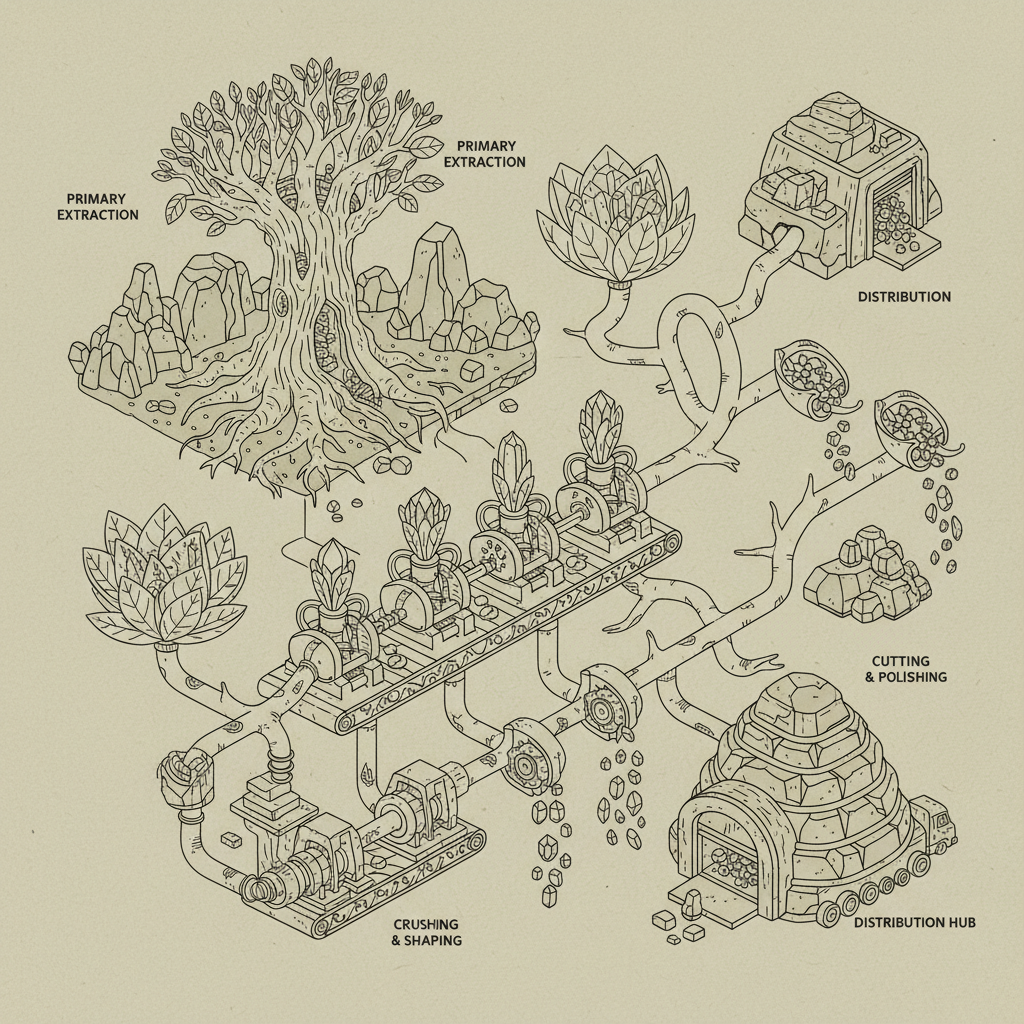
The industry supporting these solutions is diverse, ranging from natural stone quarries and processing facilities to specialized landscaping contractors and design firms. Increased demand is impacting supply chains and driving innovation in installation techniques, focusing on speed, cost-effectiveness, and minimizing environmental disruption. Furthermore, the rising popularity of DIY landscaping projects creates a growing market for pre-packaged cobblestone edging kits and online tutorials related to cobblestone edging driveway projects.
Understanding the nuances of cobblestone selection, base preparation, and installation is crucial for ensuring a long-lasting and visually appealing driveway. Beyond aesthetics, well-executed cobblestone edging contributes to property value, enhances curb appeal, and offers a low-maintenance landscaping solution.
The Significance of Cobblestone Edging Driveway
Cobblestone edging driveway applications aren't merely about aesthetics; they represent a return to durable, time-tested construction methods. Historically, cobblestone was the standard for road and paving construction, demonstrating a longevity unmatched by many modern materials. Today, its use in driveway edging provides not only visual appeal but also robust protection against erosion and defines a clear boundary between landscaping and vehicular surfaces.
The increasing popularity stems from a desire for landscaping that blends functionality with charm. Unlike concrete or asphalt, cobblestone allows for permeable surfaces, aiding in stormwater management and reducing runoff. This is increasingly important in areas facing stricter environmental regulations regarding water discharge and conservation. The visual texture and natural variations in cobblestone contribute to a more organic and inviting landscape design, enhancing property value and curb appeal.
Defining Cobblestone Edging Driveway
Cobblestone edging driveway refers to the practice of utilizing individual cobblestones, typically natural stone or manufactured to resemble natural stone, to create a defined border along the edges of a driveway. This edging serves multiple purposes: to contain the driveway surface material (gravel, asphalt, concrete), to enhance the visual appeal, and to provide a physical barrier between the driveway and surrounding landscaping.
The term "cobblestone" historically referred to rounded stones found in riverbeds, but modern cobblestone edging often employs more uniformly shaped and sized stones. Installation usually involves setting the cobblestones into a bed of sand or gravel, often with a polymeric stabilizer to prevent shifting and weed growth. A well-defined cobblestone edging driveway enhances property aesthetics and adds a touch of classic elegance.
This practice connects to modern industry needs by providing sustainable landscaping solutions and adhering to principles of responsible land management. It also speaks to a growing appreciation for craftsmanship and durable materials in a world increasingly dominated by mass-produced, disposable products.
Core Components of Effective Driveway Edging
Several key factors contribute to the success and longevity of a cobblestone edging driveway installation. First, proper base preparation is paramount. A stable, well-compacted base of gravel or crushed stone is essential to prevent settling and shifting of the cobblestones over time.
Secondly, the selection of appropriate cobblestone material is crucial. Natural stone options like granite, basalt, and sandstone offer durability and aesthetic variety, while manufactured cobblestones provide a more consistent shape and size. Drainage is a third critical element. Ensuring adequate drainage around the edging prevents water accumulation and potential damage.
Finally, proper installation techniques, including the use of polymeric sand to lock the cobblestones in place and prevent weed growth, significantly extend the life of the edging. Skilled craftsmanship and attention to detail are essential for creating a visually appealing and structurally sound cobblestone edging driveway.
Applications of Cobblestone Edging Driveway
Cobblestone edging driveway finds diverse applications across residential, commercial, and public spaces. In residential settings, it's frequently used to define driveways, walkways, and garden borders, adding a touch of elegance and sophistication to landscaping designs.
Commercially, cobblestone edging is employed in parking lots, shopping center entrances, and pedestrian zones to enhance aesthetic appeal and create a more inviting atmosphere. Public spaces, such as parks, historic districts, and town squares, often utilize cobblestone edging to maintain a traditional aesthetic and provide durable, long-lasting landscaping solutions.
Driveway Edging Material Comparison
Advantages and Long-Term Value
The benefits of investing in a cobblestone edging driveway extend far beyond immediate aesthetic improvements. Its inherent durability translates to reduced maintenance costs and a longer lifespan compared to other edging materials. The natural stone composition resists weathering, cracking, and fading, preserving its appearance for decades.
Furthermore, cobblestone edging contributes to sustainable landscaping practices by promoting permeable surfaces, reducing stormwater runoff, and minimizing the need for chemical treatments. The increased property value and enhanced curb appeal represent a significant long-term financial benefit, making it a worthwhile investment for homeowners and property developers.
Future Trends and Innovations
The future of cobblestone edging driveway lies in integrating innovative materials and installation techniques with a focus on sustainability and efficiency. The development of lightweight, high-strength concrete cobblestones offers a cost-effective alternative to natural stone while maintaining a similar aesthetic.
Advancements in polymeric sand technology are enhancing the stability and weed-resistance of cobblestone installations, reducing maintenance requirements. The increasing adoption of 3D printing for custom cobblestone designs allows for greater design flexibility and personalization. Finally, integrating smart drainage systems with cobblestone edging can further improve stormwater management and enhance environmental sustainability.
Challenges and Solutions in Cobblestone Installation
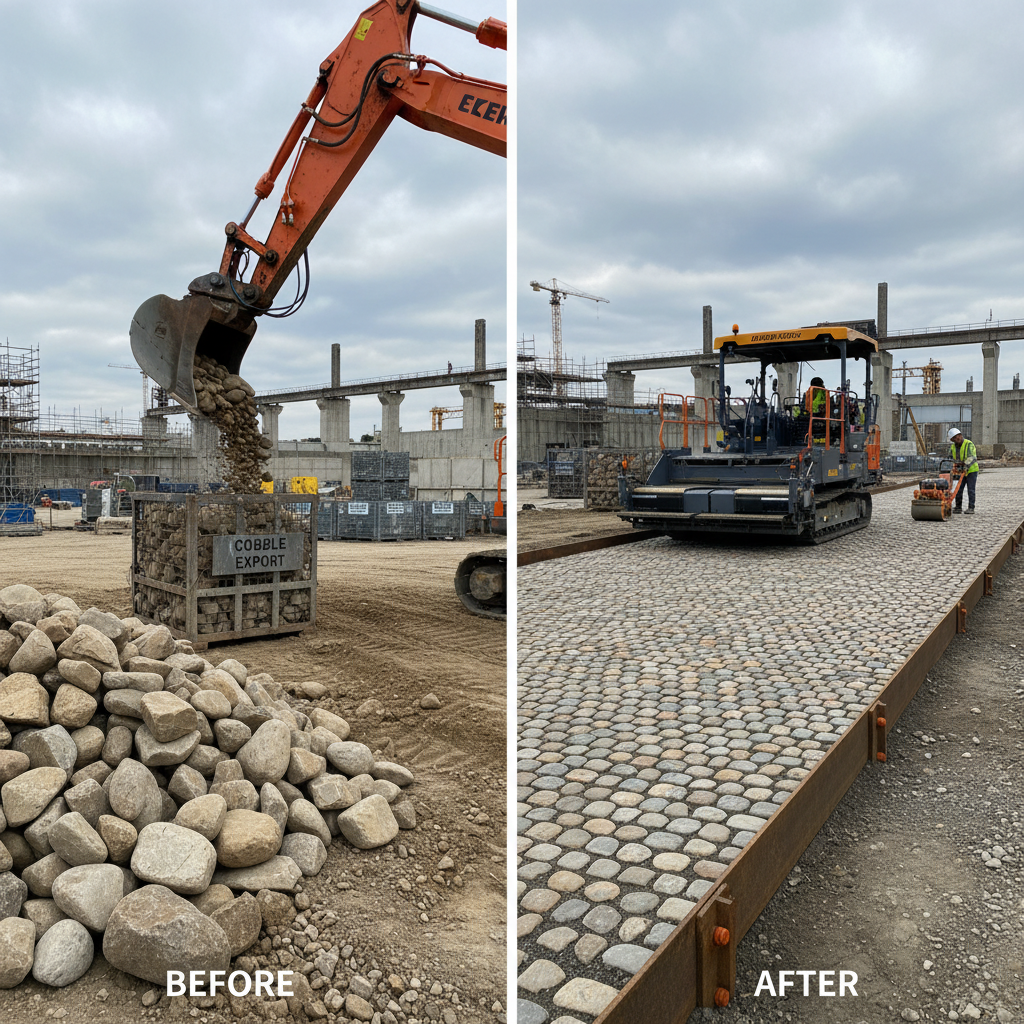
Despite its many advantages, installing a cobblestone edging driveway can present certain challenges. The labor-intensive nature of traditional installation methods can contribute to higher project costs. Proper base preparation is essential, and inadequate compaction can lead to settling and shifting.
To address these challenges, contractors are adopting mechanized installation techniques, such as using specialized equipment for base preparation and cobblestone placement. Utilizing pre-assembled cobblestone edging mats simplifies the installation process and reduces labor costs. Furthermore, thorough site assessment and careful attention to drainage are crucial for ensuring a long-lasting and visually appealing result.
Employing skilled and experienced installers is paramount. They can provide expert guidance on material selection, base preparation, and installation techniques, ensuring a successful project that delivers lasting value.
Core Challenges and Effective Solutions for Cobblestone Installation
| Challenge |
Impact on Project |
Proposed Solution |
Cost-Effectiveness (1-5) |
| Labor Intensive Installation |
Increased Project Costs |
Mechanized Installation Equipment |
4 |
| Inadequate Base Preparation |
Settling and Shifting of Cobblestones |
Thorough Compaction and Gravel Base |
5 |
| Material Cost (Natural Stone) |
Higher Upfront Investment |
Utilize Manufactured Cobblestones |
3 |
| Weed Growth Between Cobblestones |
Increased Maintenance |
Polymeric Sand Application |
5 |
| Poor Drainage |
Water Damage and Instability |
Proper Slope and Drainage Systems |
4 |
| Incorrect Cobblestone Selection |
Reduced Durability and Aesthetic Mismatch |
Consult with Landscape Professionals |
3 |
FAQS
A properly installed cobblestone edging driveway can last for several decades, often exceeding 50 years, with minimal maintenance. The durability of natural stone cobblestones is exceptional, and even manufactured options are designed for long-term performance. Regular inspections and occasional re-sanding of the joints are typically all that's required to maintain its integrity.
Initially, cobblestone edging can be more expensive than concrete or asphalt due to the higher material cost and labor-intensive installation. However, considering the longevity and reduced maintenance requirements, cobblestone often proves to be more cost-effective over the long term. Furthermore, the aesthetic and property value benefits can offset the initial investment.
Yes, cobblestone edging driveway can be a permeable paving option, especially when installed with polymeric sand. The spaces between the cobblestones allow water to drain through, reducing stormwater runoff and recharging groundwater supplies. This makes it an environmentally friendly choice, particularly in areas with strict stormwater management regulations.
Maintenance is relatively minimal. Regularly sweeping or blowing debris from the surface is recommended. Occasionally, you may need to re-apply polymeric sand to the joints to prevent weed growth and maintain stability. Periodically inspecting for and addressing any settling or shifting is also advisable.
While a DIY installation is possible, it's generally recommended to hire a professional for optimal results. Proper base preparation, cobblestone placement, and polymeric sand application require expertise to ensure a durable and aesthetically pleasing outcome. A professional can also advise on appropriate material selection and drainage solutions.
Granite, basalt, and sandstone are excellent choices for driveway edging due to their durability and resistance to weathering. Manufactured cobblestones made from high-strength concrete are also a viable option, offering a more consistent shape and size at a potentially lower cost. Consider the aesthetic you desire and the local climate when selecting materials.
Conclusion
In conclusion, cobblestone edging driveway represents a compelling blend of aesthetic appeal, durability, and sustainability. From its historical roots to its modern applications, it continues to be a favored choice for homeowners, developers, and municipalities seeking to enhance the beauty and functionality of their landscapes. Its long-term value extends beyond aesthetics, contributing to property value, reduced maintenance costs, and environmental responsibility.
Looking ahead, innovations in materials and installation techniques will further enhance the accessibility and affordability of this timeless landscaping solution. Investing in a well-designed and professionally installed cobblestone edging driveway is an investment in lasting quality and enduring beauty. Visit our website at www.lsxcigna.com to explore our wide selection of cobblestone products and expert installation services.