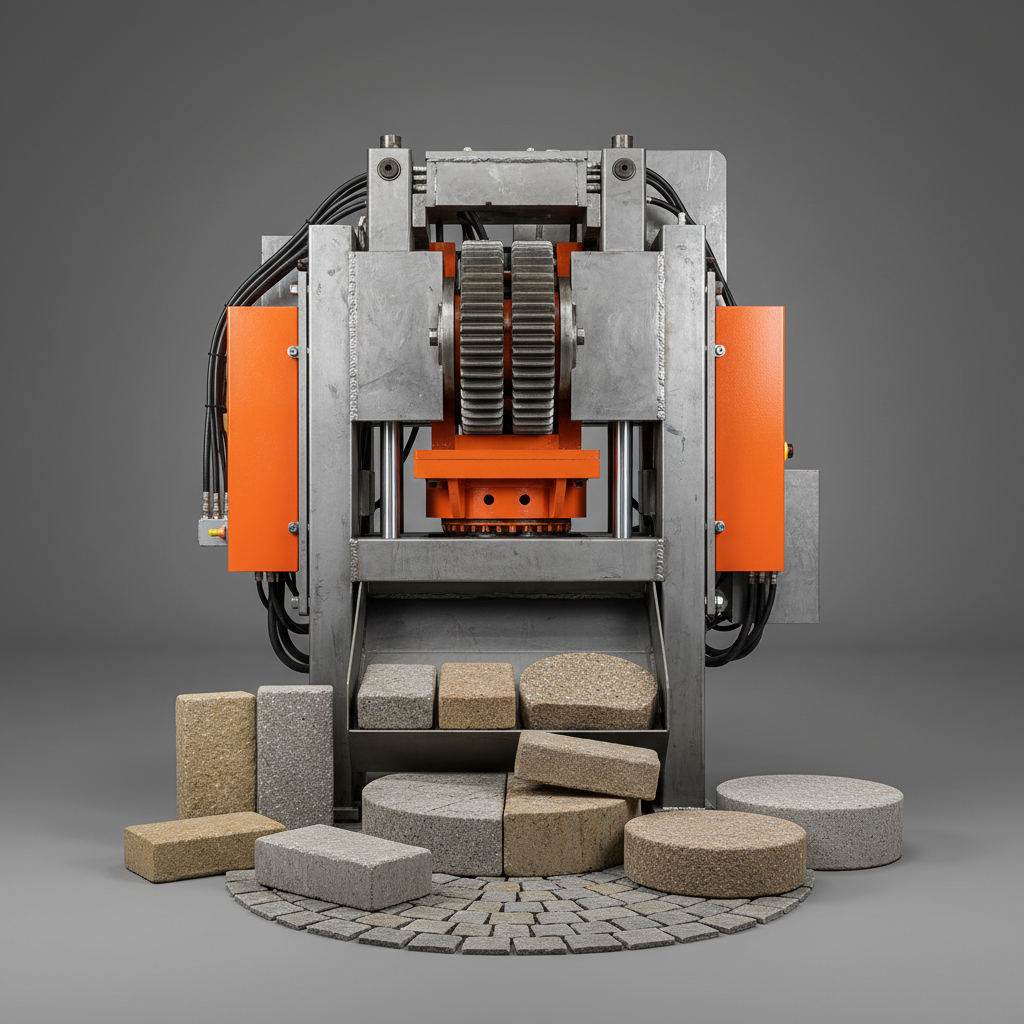
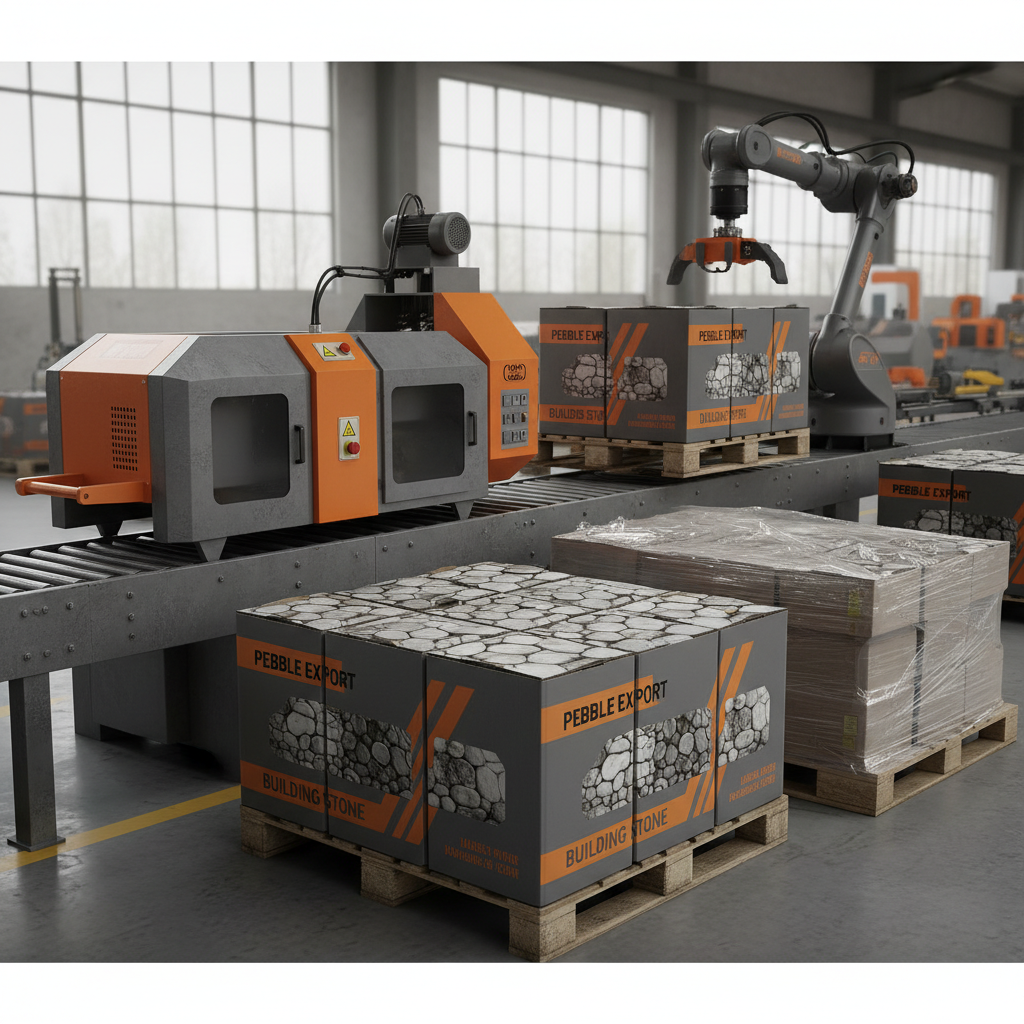
Cobblestone edging, it's more than just pretty stones. After years on job sites, wrestling with concrete and watching projects rise and fall, you learn what really lasts. It's the stuff that handles the abuse, the shifting ground, the relentless weather. Cobblestone edging? It’s consistently that stuff. It’s a system that’s been around for centuries, not because it's trendy, but because it works – and keeps working. We’re seeing a real resurgence, folks, not just for aesthetics, but because people are tired of solutions that need constant patching and replacing. cobblestone edging isn’t a quick fix, it's an investment.
What I've noticed lately is a demand for durability, especially in areas where regular concrete keeps cracking or eroding. Landscaping projects, walkways, even driveway borders – clients want something that looks good and stands up to a beating. This isn’t just about vanity; it’s about reducing long-term maintenance costs and minimizing disruption. A well-installed cobblestone edging system provides that stability. It flexes with the ground, rather than fighting it, and that’s a huge advantage. We’re seeing it requested specifically in climates with freeze-thaw cycles because of this.
Frankly, the cost upfront can be higher than a poured concrete edge, but if you factor in the lifespan – and the reduced repair bills – it often wins out. It's a conversation I have with clients all the time: "Pay a little more now, or pay a lot more later?" They're starting to understand that quality matters. And that’s why we’re seeing a boom in demand for proper installation techniques and higher-quality materials for that initial investment.
The Enduring Appeal of cobblestone edging
You look back at old cities – Rome, Paris, Boston – and what’s one thing that hasn't gone away? Cobblestone. It wasn't just a design choice; it was a practical one. They understood how to build things to last. Today, we're rediscovering those principles. The appeal of cobblestone edging isn’t just aesthetic; it's the sense of permanence, the feeling of connection to history. cobblestone edging offers something concrete and tangible in a world of increasingly disposable products.
It's a return to quality, plain and simple. Clients are looking for features that set their projects apart. They want that “wow” factor, but they also want a product that won't be falling apart in five years. Cobblestone edging delivers on both fronts. You're looking at a material that's been proven over centuries, and that provides a real sense of confidence.
Defining True cobblestone edging
What people call "cobblestone" these days is often a bit misleading. True cobblestone is hand-cut, rounded stones. What you see a lot of is actually tumbled concrete or brick that looks like cobblestone, but doesn't have the same characteristics. That difference is huge when you're talking about durability and longevity. The natural variations in shape and size of genuine cobblestone allow for better interlocking and a more stable surface.
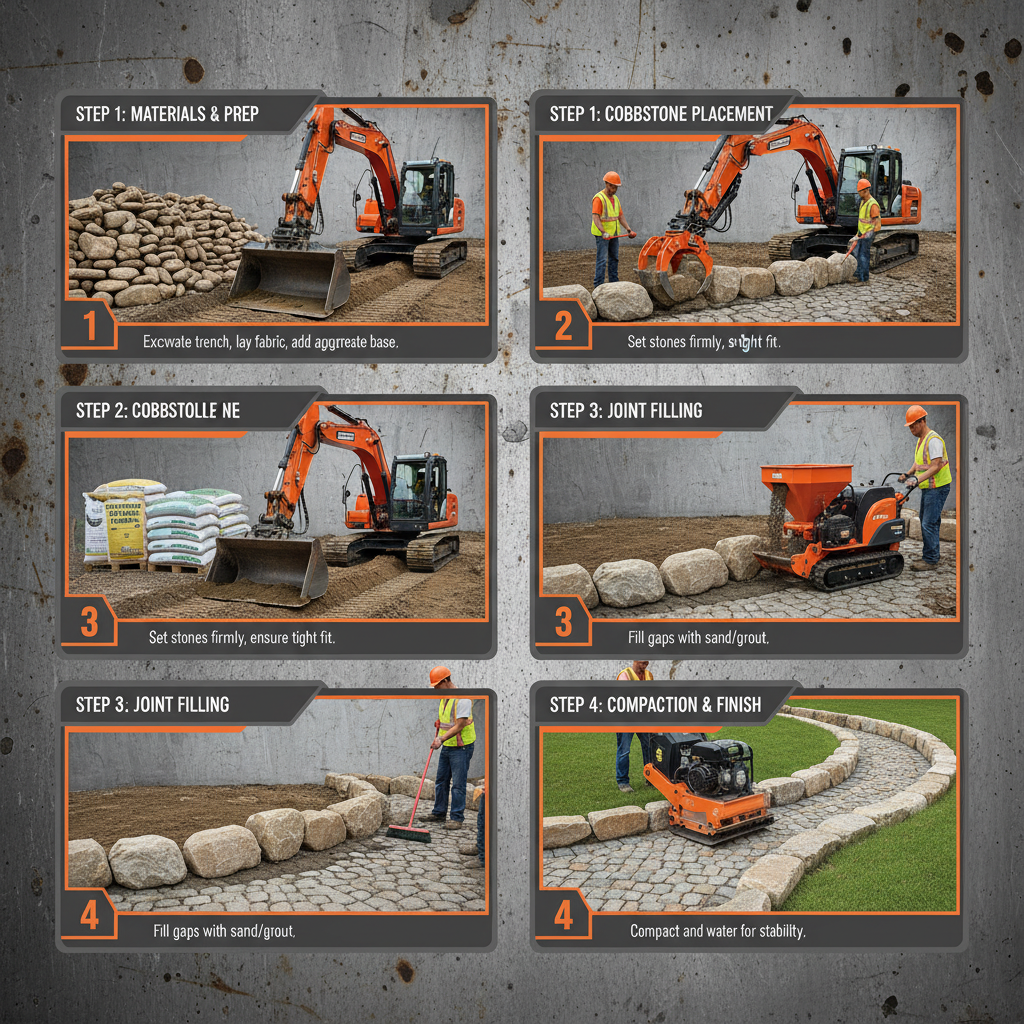
Understanding this distinction is critical. If a client wants the genuine article, they need to know that it’s going to cost more, but it's an investment in a superior product. It's the same story with the base preparation. You can't just slap cobblestone on top of loose soil and expect it to hold. Proper excavation, compaction, and a well-graded gravel base are absolutely essential.
It's about understanding the system as a whole, from the foundation up. If you cut corners on any part of the process, you'll end up with a failed project. I've seen it happen too many times. cobblestone edging isn’t just about the stones themselves; it’s about the meticulous preparation and installation.
Core Attributes of Quality cobblestone edging
Durability is, without a doubt, the cornerstone of good cobblestone edging. I'm talking about resistance to cracking, weathering, and general wear and tear. It has to withstand the weight of foot traffic, vehicles, and the constant expansion and contraction caused by temperature fluctuations. That's where the quality of the stone itself matters – granite, basalt, and other hard, dense materials are the best choices.
Drainage is another critical factor. A properly installed cobblestone edge should allow water to flow freely, preventing buildup that can cause erosion and instability. The spaces between the stones allow for natural drainage, unlike solid concrete which can trap water. This is particularly important in areas with heavy rainfall or snowmelt. Good base preparation also helps with drainage, ensuring the water doesn't undermine the structure.
Flexibility is often overlooked, but it's key to long-term performance. Ground movement is inevitable. Concrete cracks when it can’t accommodate that movement. Cobblestone, with its individual stones and flexible base, can shift and adjust without failing. This is especially important in earthquake-prone areas or regions with expansive soils.
Performance Metrics in cobblestone edging
When assessing a cobblestone edging system, there are a few key performance indicators we look at. First, compressive strength – how much weight can the stones withstand before they break? We’re looking for values above 5,000 PSI, ideally closer to 7,000 or 8,000 PSI. Second, water absorption – lower is better. High water absorption can lead to freeze-thaw damage and deterioration. We want less than 1% water absorption.
Third, abrasion resistance – how well do the stones hold up to friction and wear? This is important for walkways and driveways. We use the Mohs hardness scale as a guide, aiming for stones with a hardness of 6 or higher. Finally, we consider the quality of the base preparation. Proper compaction is essential; we use a plate compactor to achieve at least 95% proctor density.
Comparative Performance of cobblestone edging Methods
Real-World Applications of cobblestone edging
We're seeing a lot of use of cobblestone edging in high-end residential landscaping projects. Homeowners are using it to define walkways, garden borders, and driveway entrances. It adds a touch of elegance and sophistication that concrete just can't match. It’s also becoming popular in historic preservation projects, where maintaining the original aesthetic is paramount.
Beyond residential, we’re using it increasingly in commercial applications. Restaurant patios, pedestrian walkways in shopping centers, and even around parking lots are all benefiting from the durability and aesthetic appeal of cobblestone. It’s a way to create a welcoming and visually appealing environment that stands up to heavy use.
Long-Term Value and Benefits of cobblestone edging
The initial cost is higher, absolutely, but when you consider the lifecycle cost, cobblestone edging often comes out ahead. You’re eliminating the need for frequent repairs and replacements that are common with concrete. That saves money in the long run, and it reduces disruption to your property. There’s also the aesthetic value – cobblestone simply looks better, and that adds to the overall property value.
It's also a sustainable choice. The stones themselves are natural materials, and they're often sourced locally, reducing transportation costs and environmental impact. And because it lasts so long, you're reducing the amount of waste that ends up in landfills. It's a win-win.
From a design perspective, it also provides incredible flexibility. You can create intricate patterns and designs that are impossible with concrete. It allows for a level of customization that really sets a project apart.
Future Trends in cobblestone edging
I’m seeing a growing interest in permeable cobblestone edging systems. These systems incorporate larger gaps between the stones and a specially designed base to allow water to drain through, reducing runoff and recharging groundwater. It’s a great option for environmentally conscious projects. We’re also seeing advancements in stone cutting and processing technologies, which are allowing for more precise and consistent stone shapes. This makes installation easier and results in a more uniform appearance.
Another trend is the use of recycled materials in the base preparation. Utilizing recycled concrete aggregate or other reclaimed materials reduces waste and lowers project costs. We’re even experimenting with different binding agents for the joints between the stones, looking for alternatives to traditional polymeric sand that offer improved durability and flexibility.
I think the biggest driver of innovation will be the demand for sustainable and resilient infrastructure. cobblestone edging is perfectly positioned to meet that demand.
FAQS
That’s a great question! True cobblestone is naturally occurring, hand-cut stone. "Cobblestone look" pavers are typically cast concrete molded to resemble cobblestone. The difference lies in durability and authenticity. True cobblestone is denser, more resistant to weathering, and offers a unique character. The concrete versions are cheaper upfront but won't last as long and lack the inherent beauty of the natural stone.
Cost varies wildly depending on stone type, location, and installation complexity. But you're generally looking at $10-$25 per square foot for materials and labor. It's higher than concrete, but remember the long-term value – reduced maintenance and a much longer lifespan. Don't base your decision solely on the initial price; consider the lifecycle cost.
Absolutely, but proper installation is critical. A well-compacted base is essential to handle the weight of vehicles. We recommend using larger, denser stones like granite or basalt for driveways. And a properly installed edge restraint system is crucial to prevent shifting. It can be more expensive than asphalt or concrete, but it’s a beautiful and durable option.
You need a solid foundation! Start with excavation, removing any topsoil or organic matter. Then, add a layer of compacted gravel, typically 4-6 inches deep. A geotextile fabric can help prevent weed growth and stabilize the base. Proper compaction is crucial - we use a plate compactor to achieve at least 95% proctor density.
Cobblestone is remarkably low-maintenance. Regular sweeping or blowing to remove debris is usually sufficient. For tougher stains, you can use a mild detergent and water. Avoid harsh chemicals that could damage the stone. Re-sand the joints periodically to maintain stability and prevent weed growth.
Yes, it’s actually ideal for freeze-thaw climates, as long as it’s properly installed. The natural stone is extremely durable and resistant to cracking caused by freezing and thawing. The key is a well-draining base to prevent water from getting trapped underneath and causing issues. Proper base preparation is especially crucial in these regions.
Conclusion
cobblestone edging isn’t just a landscaping trend; it's a time-tested solution that offers exceptional durability, aesthetic appeal, and long-term value. From historic restorations to modern residential projects, its versatility and resilience make it a superior choice for anyone seeking a lasting and beautiful edge. The resurgence of interest speaks to a growing appreciation for quality craftsmanship and sustainable materials.
Looking ahead, I believe we'll see even more innovation in this space, with a focus on permeable systems, recycled materials, and advanced installation techniques. If you’re considering cobblestone edging for your next project, take the time to research your options, choose a qualified installer, and invest in quality materials. It’s an investment that will pay dividends for years to come. Visit our website at www.lsxcigna.com to learn more.