To be honest, the whole industry's been buzzing about prefabrication lately. Everyone's talking about speed, cost savings... but have you seen some of these prefab designs? They look good on paper, but try getting a skilled electrician to work in those tight spaces. It’s a nightmare. Anyway, I think people are finally realizing that just slapping things together faster isn't always better. There’s a balance to be struck, and it's rarely found in the initial blueprint.
What gets me is the insistence on over-engineering. Like, they'll specify a steel grade that's rated for a bridge, when we're building a garden shed! It drives up the cost, adds weight… and frankly, the guys on site just end up bypassing the spec because it’s impractical. You think they’re going to spend an extra hour wrestling with a bolt when they have ten more sheds to build? Forget it.
We’re doing a lot with composite decking these days, you know, those wood-plastic mixtures. Feels a little…slippery when it’s wet, honestly. And the smell when you cut it? Ugh. Like burning plastic and sawdust all mixed together. But it does last. I encountered this at a factory in Nanjing last time – they were pushing a new formulation with recycled rice husks. Surprisingly strong, but it absorbed water like a sponge. They're still working on that.
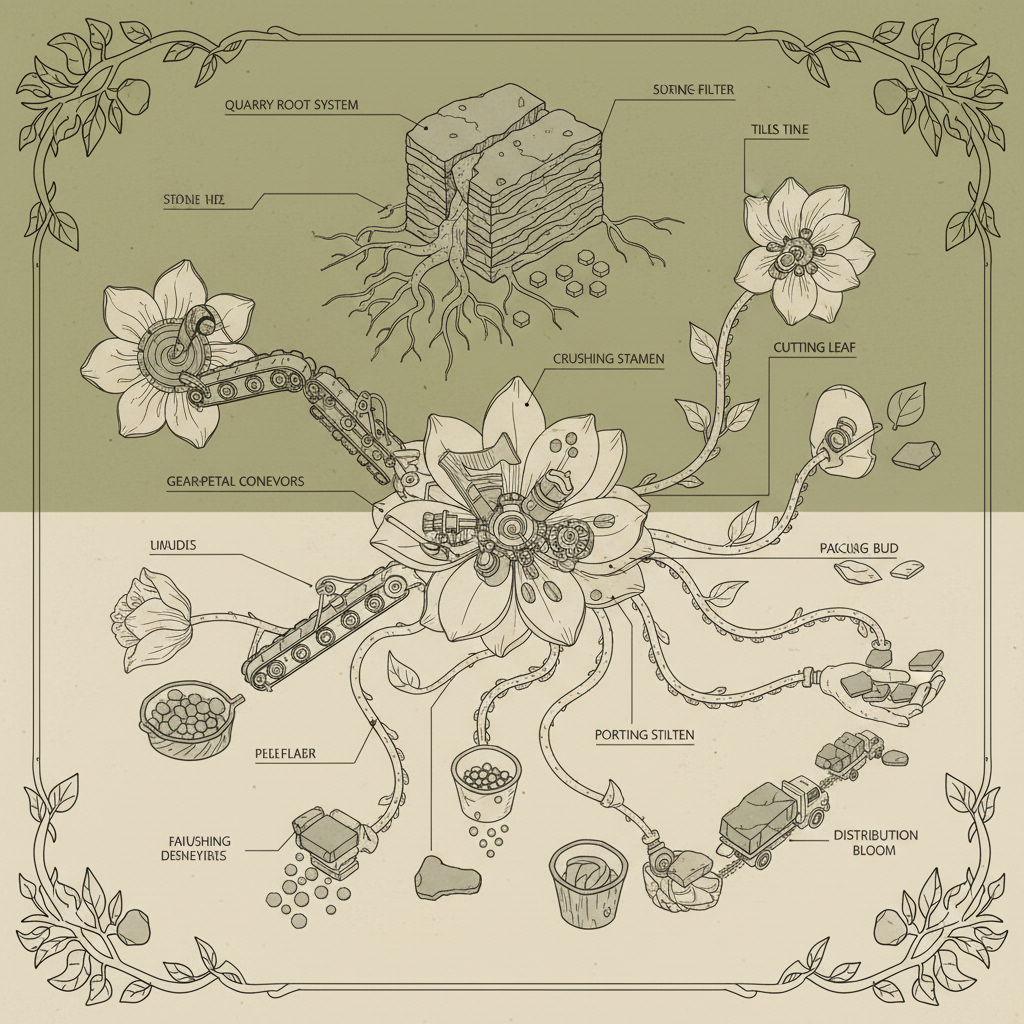
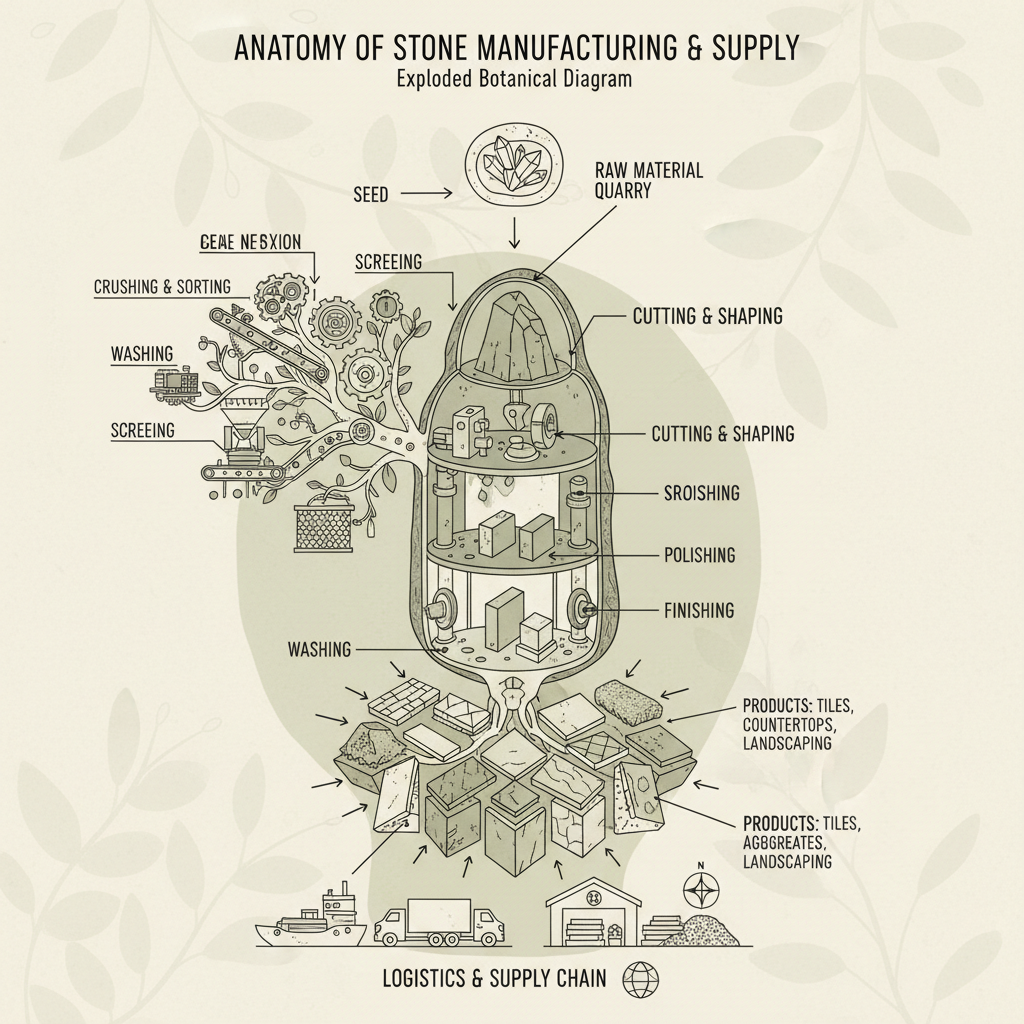
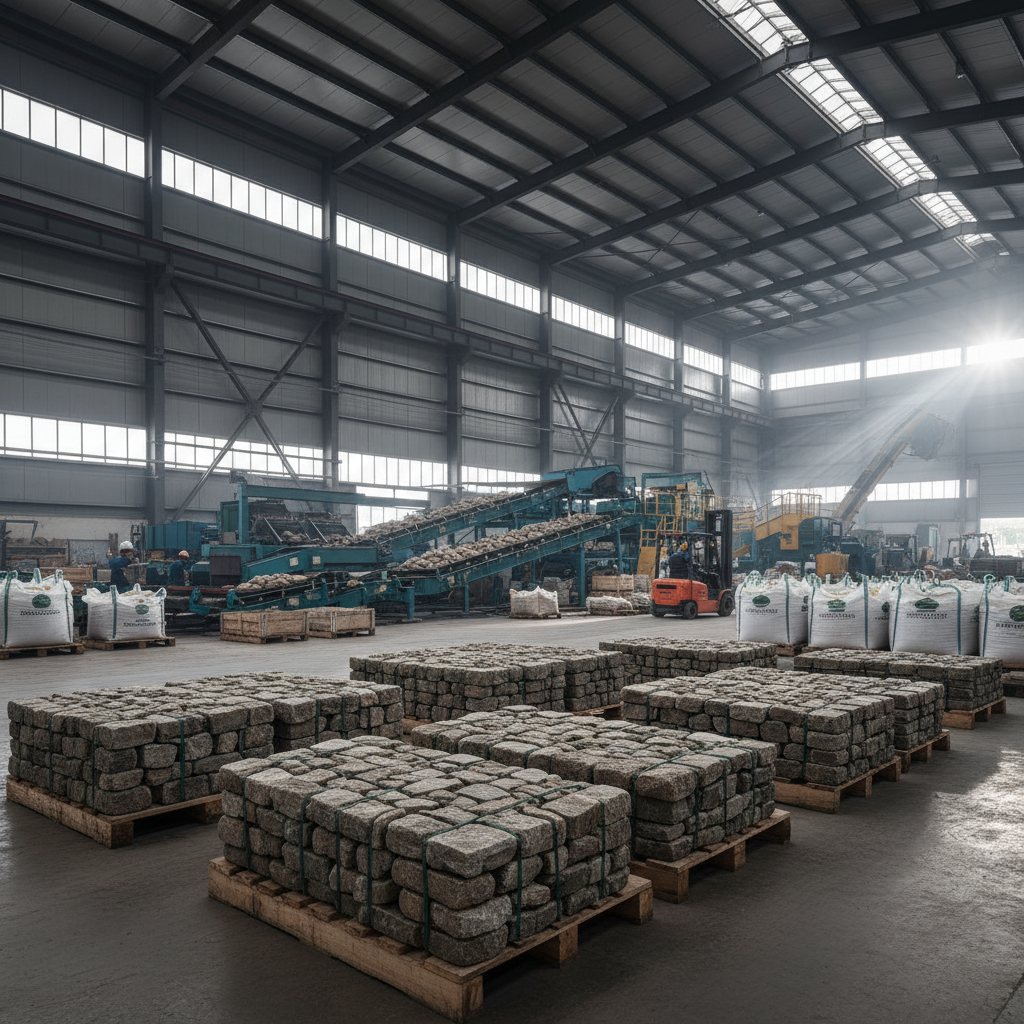
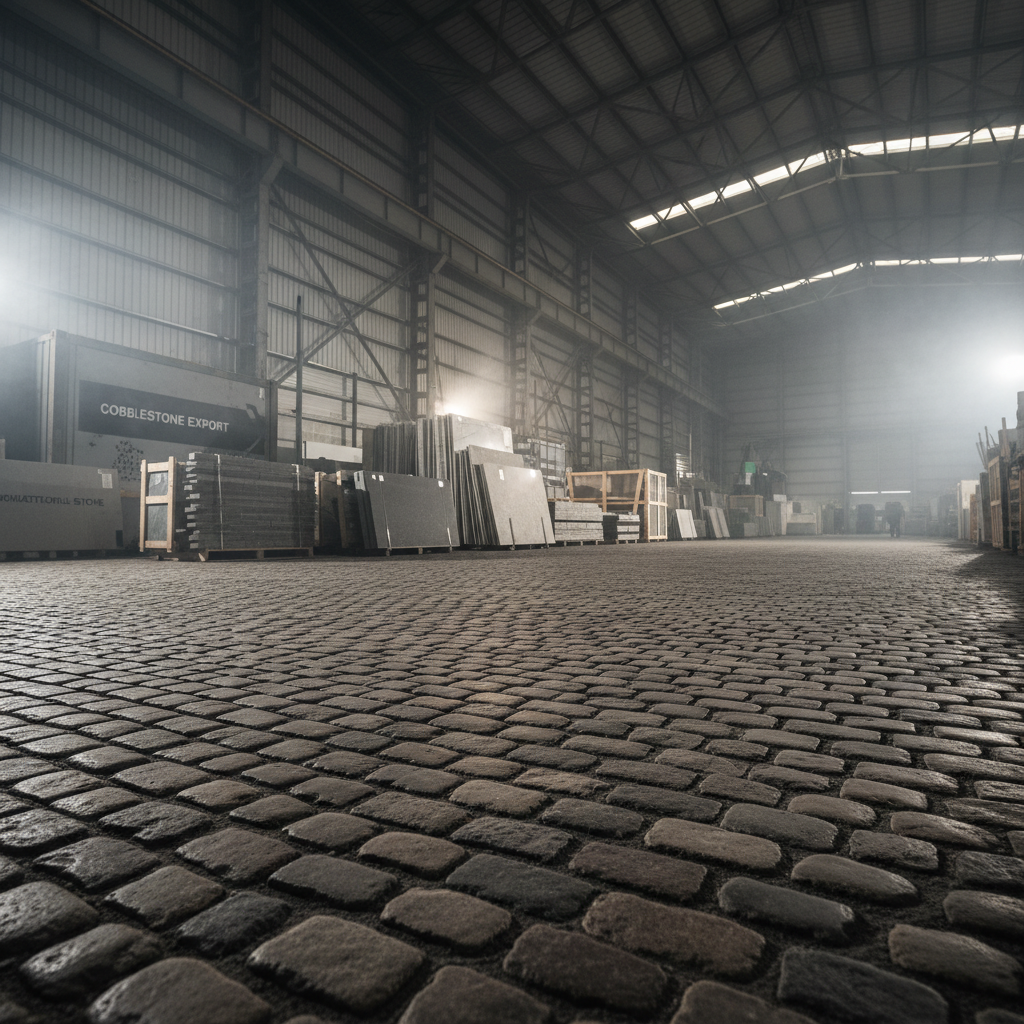
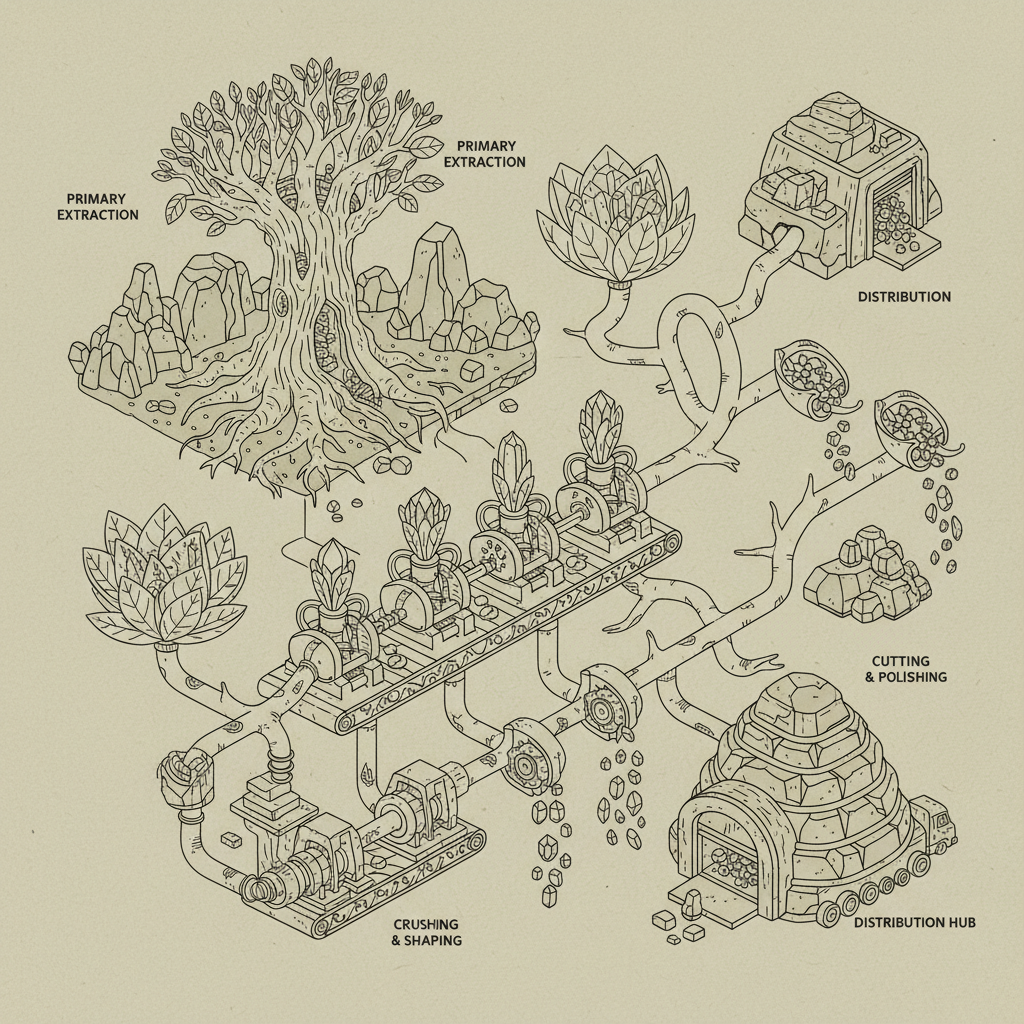
Stone manufacturing & supply is undergoing a big shift. It's not your grandfather’s quarry operation anymore. Demand’s up globally, driven by construction booms in Asia and the Middle East, and the supply chain is...complicated. Lots of consolidation happening, smaller quarries getting swallowed up. Strangely, though, there's still a real premium placed on locally sourced stone. People want that regional character, that sense of place.
We're seeing increased pressure to adopt sustainable practices too, which is good. Less blasting, more precise cutting, water recycling...but it adds costs, naturally. And the big importers? They’re always looking for the cheapest option, regardless of environmental impact. That's just the way it is.
Granite and limestone are consistently popular choices for exterior cladding due to their durability and aesthetic appeal. However, sandstone and slate are also used, particularly in areas with milder climates. The selection often depends on regional availability, budget constraints, and the desired architectural style. Properly sealing the stone is crucial for longevity, especially in areas prone to freeze-thaw cycles, and regular inspections can help identify and address any potential issues before they escalate.
Marble is a porous stone, making it susceptible to staining. The key to prevention is prompt cleaning of spills and regular sealing with a high-quality marble sealer. Avoid acidic cleaners, as they can etch the surface. For tougher stains, you might consider a poultice—a paste of absorbent material mixed with a solvent—applied to the stain and left to draw it out. Always test any cleaning solution in an inconspicuous area first.
With proper care, a granite countertop can last for decades—easily 50 years or more. Granite is incredibly durable and resistant to scratches, heat, and stains. However, it’s not indestructible. Avoid placing hot pots directly on the surface, and use cutting boards to prevent scratches. Regular sealing (every 1-2 years) helps maintain its stain resistance. Minor chips or cracks can be repaired, extending its lifespan even further.
Matching existing stone can be challenging, as natural stone varies in color and veining. However, it's often possible to find a close match by sourcing stone from the same quarry or, if that’s not possible, carefully selecting pieces with similar characteristics. A skilled fabricator can help blend the new stone with the existing, minimizing the visual difference. Be prepared for some variation—a perfect match is rare.
Consider the source and extraction methods. Locally sourced stone reduces transportation emissions. Look for quarries that practice responsible mining and water management. Recycled stone or stone with environmental certifications are also good options. Also, the energy used in fabrication and transportation contributes to the overall environmental footprint, so consider all factors when making your choice.
Limestone is a relatively soft stone, so gentle cleaning is essential. Avoid abrasive cleaners and harsh chemicals. Use a pH-neutral stone cleaner and a soft cloth. Regularly dust the surface to prevent buildup. For soot or stains, a specialized limestone cleaner may be necessary, but always test in an inconspicuous area first. You might need to re-seal it annually to protect it from smoke and grime.
Ultimately, stone manufacturing & supply isn't just about cutting rocks and shipping them around. It's about understanding the material, respecting the process, and knowing what works—and what doesn’t—on a real construction site. From choosing the right material to ensuring proper installation and maintenance, every step matters. It's a blend of art, science, and a whole lot of common sense.
The industry is changing, though. There's more emphasis on sustainability, customization, and efficiency. And frankly, there needs to be. Because ultimately, whether this thing works or not, the worker will know the moment he tightens the screw. And if it doesn’t fit, or the stone cracks, or the finish is wrong...well, that’s on all of us. Visit our website at www.lsxcigna.com to learn more.