Determining the fair market value of specialized minerals requires an understanding of both geological rarity and the specific finish of the material. When buyers inquire about jade green stone price, they are often navigating a complex intersection of decorative art, construction grade materials, and cultural gemstone valuations.
The valuation of green-hued stones varies drastically depending on whether the material is intended for large-scale outdoor paving, interior architectural accents, or intricate artistic carvings. Factors such as the level of polishing, the consistency of the cyan pigmentation, and the structural density of the ore all play pivotal roles in the final cost.
This analysis explores the pricing drivers for various grades of polished green stones, from ordinary functional materials to high-grade decorative ores, providing a framework for buyers to evaluate quality against cost.


Green stones, particularly those categorized as "jade-like" or cyan ores, are formed under specific thermal and pressure conditions. The purity of the mineral composition determines the vibrancy of the color, which is a primary driver of the jade green stone price.
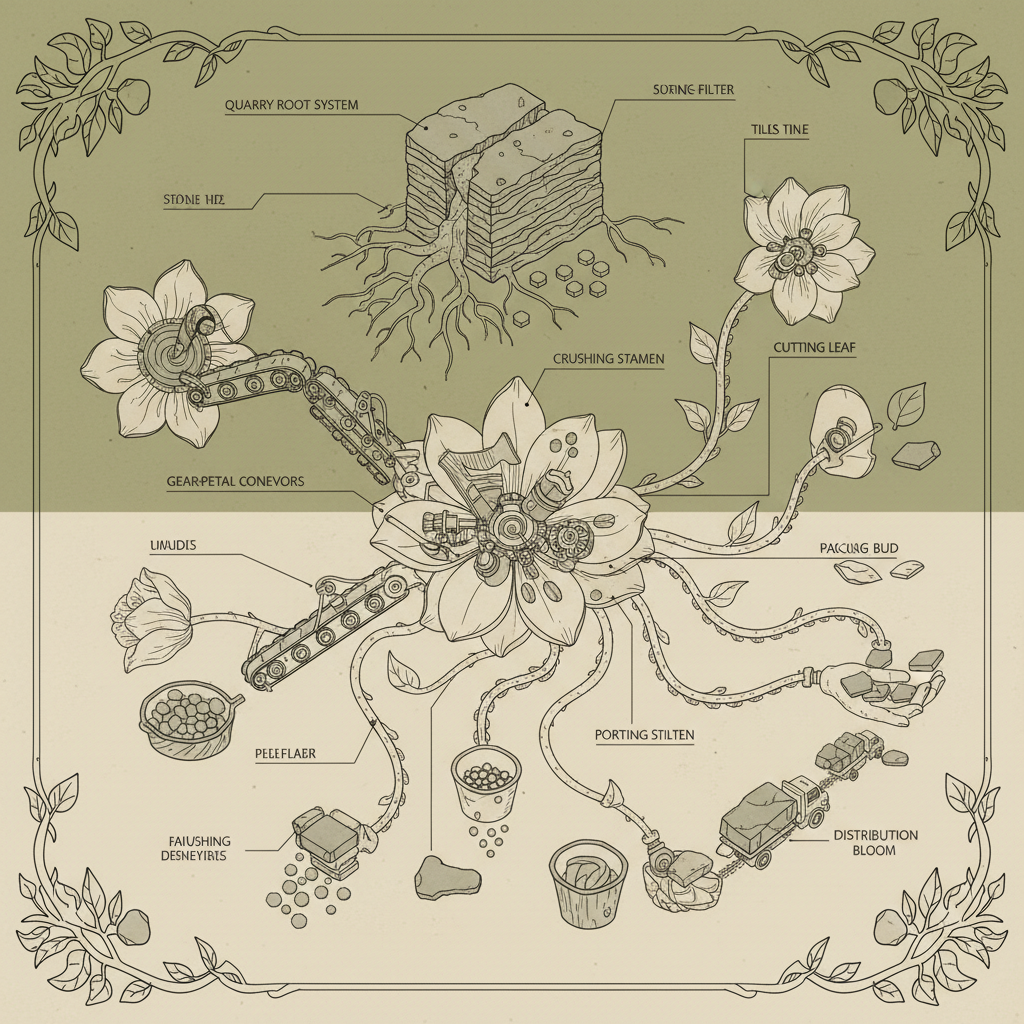
From a manufacturing perspective, these minerals are classified within the non-metallic mineral products industry. The extraction process must balance the preservation of the stone's structural integrity with the need for large-scale slabs or blocks, as fractures significantly reduce the commercial value of the ore.
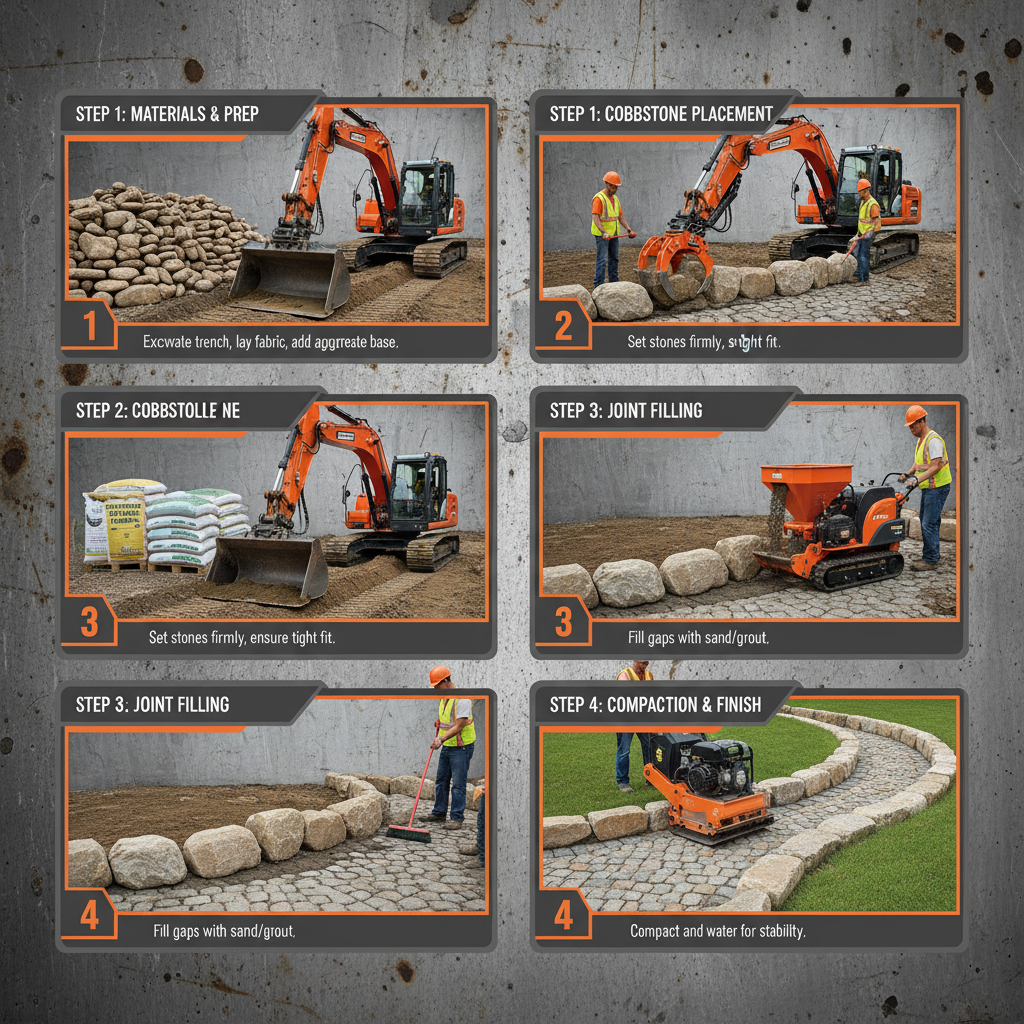
The distinction between ordinary polished stone and high-grade polished stone is not merely aesthetic but functional. Ordinary polished stones are engineered for durability and wear resistance. These are typically deployed in outdoor settings such as courtyards, sidewalks, and gardens where the material must withstand environmental corrosion and frequent cleaning.
High-grade polishing involves a more rigorous multi-stage abrasive process that results in a mirror-like finish. This process enhances the internal refraction of light within the stone, making the green hues appear deeper and more luminous. Consequently, these materials are reserved for luxury interior spaces, including corporate lobbies, high-end living rooms, and corridors.
Beyond flooring, the highest tier of polishing is applied to artistic carvings and reliefs. The ability of a stone to hold a fine detail without chipping during the polishing phase is a hallmark of premium quality, further elevating the price point for sculptural applications.
Among the variety of green minerals, Yuhua stone stands out due to its unique cyan coloration. In many cultural contexts, particularly within East Asian traditions, this specific hue is associated with balance and mystical properties, moving the material from the category of "building supply" to "precious ore."
The valuation of Yuhua stone transcends industrial utility, integrating aesthetic rarity with traditional beliefs in health-care functions, such as the ability of fossilized jade to balance bodily energy.
This duality means that Yuhua stone is marketed both as a high-end decorative material for interior design and as a raw material for traditional carvings. The intersection of cultural demand and geological scarcity creates a price floor that is significantly higher than that of standard green decorative stones.
When evaluating the jade green stone price, it is essential to map the cost against the intended utility. Industrial-grade stones focus on volume and wear resistance, whereas artistic-grade stones focus on color saturation and purity.
The following index illustrates the relative value increase as a stone moves from basic outdoor utility to specialized artistic application, based on processing intensity and material rarity.
In a typical architectural setting, the choice of stone depends on the traffic volume and the desired atmosphere. For a commercial sidewalk or a public garden, ordinary polished stone is the optimal choice due to its corrosion resistance and ease of cleaning. These materials provide a natural aesthetic without the prohibitive costs associated with gemstone-grade ores.
Conversely, for a high-end interior project—such as a luxury hotel lobby or a private residence's living room—the focus shifts to "ambience enhancement." High-grade polished green stone is used here to create a bright, smooth texture that signals quality. In these scenarios, the stone acts as a focal point of the interior decoration, where the higher cost is justified by the added property value and aesthetic appeal.
The market is seeing a shift toward "biophilic design," where natural elements are integrated into urban workspaces to improve mental well-being. This has increased the demand for stones with natural, organic colors like the cyan of Yuhua stone, as they bridge the gap between industrial architecture and the natural world.
Sustainability is also becoming a key factor. Buyers are increasingly interested in the provenance of their minerals and the energy efficiency of the polishing process. Manufacturers are adapting by implementing more precise cutting technologies that reduce material waste and lower the environmental impact of extraction.
As AI-driven design tools allow for more complex architectural geometries, there is a growing need for high-grade polished stones that can be CNC-machined into fluid, organic shapes without losing their structural integrity or surface luster.
Selecting the right stone requires a balance between the environmental conditions of the installation and the budget. The primary trade-off usually exists between the "level of polish" and "maintenance requirements."
For high-traffic areas, a matte or ordinary polish is more forgiving of scratches and wear. In contrast, a high-gloss finish is visually stunning but requires more frequent care to maintain its reflective properties, especially in interior lobbies.
The following framework provides a relative suitability guide for different categories of green stone based on common industry requirements.
| Stone Grade | Primary Scenario | Key Requirement | Relative Value |
|---|---|---|---|
| Ordinary Polished | Outdoor Courtyards | Wear Resistance | Low - Moderate |
| Standard Interior | Residential Flooring | Natural Aesthetic | Moderate |
| High-Grade Polished | Corporate Lobbies | Lustre/Brightness | High |
| Yuhua Grade | Artistic Ornaments | Color Purity | Very High |
| Fossilized Jade | Traditional Wellness | Mineral Composition | Premium |
| Carved Reliefs | Architectural Art | Detail Retention | Very High |
In the non-metallic mineral industry, "jade green stone" typically refers to minerals—such as Yuhua stone—that exhibit a cyan or deep green hue. Unlike true nephrite or jadeite, these are often categorized as high-quality decorative ores. Their value is determined by the intensity of the color, the absence of impurities, and the ability of the stone to take a high polish, making them suitable for both architectural and artistic use.
Polishing levels significantly impact the price due to the labor and equipment required. Ordinary polishing is a faster process aimed at durability for outdoor use. High-grade polishing involves multiple stages of fine-grit abrasives to achieve a mirror finish. This increases the production time and requires higher-quality raw slabs that can withstand the process without cracking, thereby increasing the final market price.
While Yuhua stone is physically durable, it is rarely used for ordinary outdoor paving due to its high cost and aesthetic value. It is far more common to use standard polished green stones for sidewalks and gardens. Yuhua stone is typically reserved for interior accents, carvings, and ornaments where its unique cyan color and cultural significance can be better appreciated and protected from harsh weather.
Ordinary polished stone provides a natural, simple atmosphere and is often used in residential flooring or low-traffic indoor areas. High-grade polished stone is specifically designed for "high-impact" areas like lobbies and corridors. It features a smooth, bright texture that enhances the overall quality and ambience of the space, creating a sense of luxury and professionalism that ordinary polish cannot achieve.
Buyers should look beyond the per-square-meter price and evaluate three key factors: the consistency of the color (avoiding excessive blotchiness), the precision of the polish (checking for surface waves), and the structural integrity (absence of micro-fissures). Additionally, the intended application—whether it is for a high-traffic public area or a private art piece—will dictate whether a lower-cost ordinary stone or a premium high-grade stone is the better investment.
Yes, depending on the type. Ordinary polished stones offer excellent wear and corrosion resistance, making them practical for urban infrastructure. Certain types, like fossilized jade, are historically valued in traditional Chinese medicine for their perceived ability to balance body energy and absorb excess heat. While these are cultural beliefs rather than clinical facts, they contribute significantly to the demand and valuation of specific green mineral ores.
Navigating the jade green stone price requires a nuanced understanding of the relationship between mineral grade and final application. Whether selecting a durable material for an outdoor garden or a high-lustre slab for a corporate lobby, the key to value lies in matching the polishing standard to the environmental demands.
As the industry moves toward more sustainable extraction and biophilic architectural trends, the demand for high-quality green ores is expected to remain steady. By focusing on the technical specifications of the polish and the geological purity of the ore, buyers can ensure they achieve a balance of durability, aesthetics, and long-term investment value.