Apr . 09, 2026 01:55 Back to list
Enhancing Your Landscape with Premium White Pea Stones
Enhancing Your Landscape with Premium White Pea Stones
Creating a visually stunning outdoor space requires a perfect balance of texture, color, and durability. One of the most versatile materials used by professional landscapers today is white pea stones, known for their smooth, rounded appearance and bright, clean aesthetic. These small, naturally polished pebbles provide a modern touch to any garden, walkway, or decorative feature. Whether you are looking to increase your property value or simply create a serene sanctuary in your backyard, understanding the properties and applications of these stones is the first step toward a successful project. In this guide, we will explore why these pebbles are a top choice for global landscaping trends.
The Aesthetic Appeal of White Pea Stones
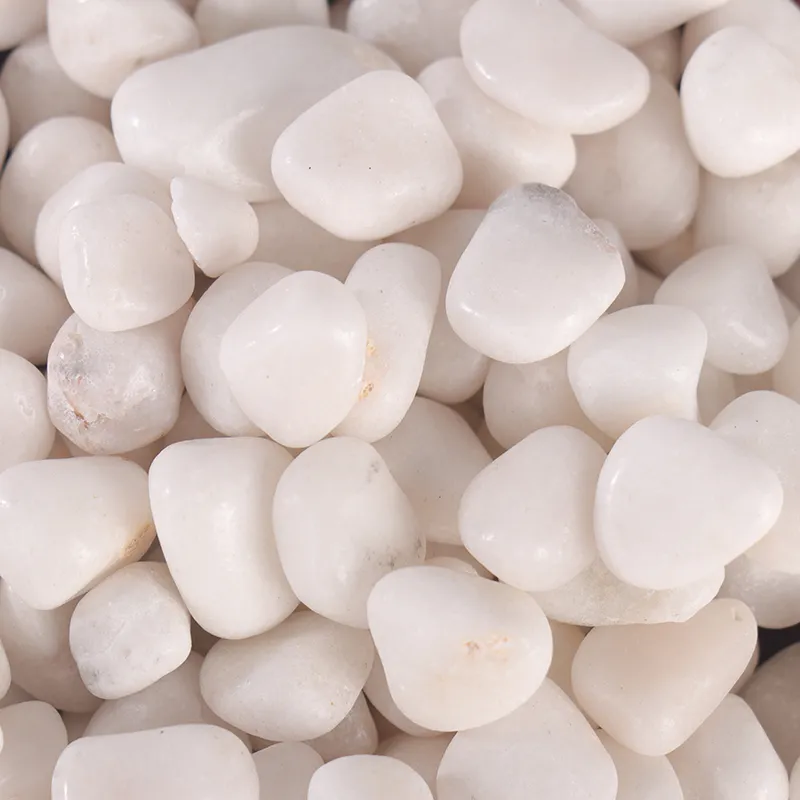
The primary attraction of white pea stones is their ability to brighten up dark or shaded areas of a garden. Unlike jagged crushed stone, "pea" gravel is naturally rounded, which creates a softer visual flow and a more organic feel. Their bright white to off-white hues contrast beautifully with the deep greens of foliage and the vibrant colors of flowering plants. This contrast not only makes the plants "pop" but also gives the entire landscape a groomed, professional appearance. Many homeowners use them as a ground cover to replace high-maintenance grass, reducing the need for mowing while maintaining a high-end look.
Design Tip: To maximize the brightness of your stones, consider installing low-voltage LED uplighting. The white surface of the pebbles reflects light efficiently, illuminating your pathways and garden beds during the night.
Functional Benefits of Using White Pea Stones
Beyond their beauty, white pea stones offer several practical advantages. One of the most significant is their excellent drainage capability. Because they are rounded and leave small gaps between the stones, water can easily permeate through to the soil, preventing puddles and reducing the risk of root rot for nearby plants. Additionally, they act as an effective mulch; by covering the soil, they suppress weed growth and help retain moisture in the ground during hot summer months. This makes them an eco-friendly and low-maintenance alternative to traditional wood mulch, which decomposes and needs annual replacement.
Comparing White Pea Stones with Other Decorative Aggregates
When choosing a ground cover, it is important to compare different materials to see which fits your specific needs. While crushed granite or lava rocks are durable, they often have sharp edges and a harsher look. White pea stones provide a middle ground—offering the permanence of rock with a smooth, touch-friendly texture. They are particularly ideal for areas where people or pets might walk, as the rounded edges are far more comfortable than angular gravel.
Top Applications for White Pea Stones in Landscaping
The versatility of white pea stones allows them to be used in a variety of settings. In Zen gardens, they are often raked into patterns to represent water, promoting a sense of peace and mindfulness. In modern residential design, they are frequently used as a filler between large concrete pavers to create a "floating" walkway effect. Furthermore, they are a popular choice for potted plants, acting as a top-dressing that hides the soil and keeps the moisture levels stable. From luxury resort courtyards to simple home flower beds, these stones provide a clean, sophisticated finish that never goes out of style.
Technical Specifications of White Pea Stones
To ensure the best results for your landscaping project, it is essential to understand the technical specifications of the materials you are purchasing. Quality white pea stones are typically sourced from natural limestone or quartz, ensuring they do not fade quickly under UV exposure. The size consistency is key to achieving a uniform look across large areas. Below is a detailed specification table for standard commercial-grade white pea pebbles.
Installation Tips for Long-Lasting Results
Installing white pea stones is a straightforward process, but a few professional steps can make a huge difference in the longevity of the project. First, always clear the area of existing weeds and debris. Second, lay down a high-quality, heavy-duty landscape fabric. This prevents the stones from sinking into the soil over time and provides an extra layer of weed suppression. Finally, spread the stones evenly to a depth of about 2 to 3 inches. This depth is sufficient to cover the fabric completely and provide a stable walking surface without causing the stones to shift excessively.
Conclusion: Elevate Your Outdoors with White Pea Stones
Choosing white pea stones is an investment in both the beauty and functionality of your property. Their bright color, smooth texture, and low-maintenance nature make them an ideal choice for a wide range of landscaping applications. By following proper installation techniques and choosing high-quality mineral stones, you can create a timeless, sophisticated environment that enhances your quality of life and increases your home's curb appeal. Transform your garden today with the elegance of premium white pebbles.
Frequently Asked Questions (FAQs)
Do white pea stones lose their color over time?
High-quality white pea stones made from natural minerals like limestone or quartz are highly resistant to UV rays and generally do not fade. However, they can accumulate dust, dirt, or organic debris (like fallen leaves) over time, which may make them appear duller. The good news is that they are easy to maintain; a simple rinse with a garden hose or a light power wash can restore their original bright white brilliance quickly and effectively.
How many bags of pea stones do I need for my project?
The amount of stone required depends on the total square footage of your area and the desired depth. For a standard depth of 2 inches, you will typically need about 1 ton of stone for every 100-120 square feet. To calculate this accurately, multiply the length by the width of your area to get the square footage, then determine the volume needed. We recommend purchasing about 10% extra to account for settling and to ensure you have matching material for any future touch-ups.
Can I use white pea stones for a driveway?
While white pea stones are beautiful, they are not the best choice for high-traffic vehicle driveways. Because they are rounded, they tend to shift or "roll" under the weight of a car, which can lead to rutting over time. For driveways, we recommend angular crushed stone for a more stable base. However, pea stones are perfect for "overflow" parking areas, pedestrian paths, or decorative borders along the edge of a driveway where vehicle weight is not a factor.
Are white pea stones safe for pets and children?
Yes, they are generally very safe. Because of their smooth, rounded edges, they are much safer for bare feet and paws compared to sharp crushed gravel. They do not contain toxic chemicals and are naturally inert. One small consideration is that very small pebbles can occasionally be picked up by curious pets; however, for the vast majority of households, they are a preferred safe alternative to angular stones or chemical-based artificial turf.
-
Premium White Beach Pebble Rocks for Modern Landscape Design
NewsApr.16,2026
-
Enhance Your Outdoor Space with Beautiful White Pea Gravel Landscaping
NewsApr.07,2026
-
Enhance Your Outdoor Space with Stunning White Pea Gravel Landscaping Ideas
NewsApr.04,2026
-
Enhance Your Landscape with the Timeless Elegance of Snow White Stones
NewsMar.31,2026
-
Enhance Your Landscaping with Stunning Snow White Pebbles from Bunnings
NewsMar.28,2026