Apr . 07, 2026 01:45 Back to list
Enhance Your Outdoor Space with Beautiful White Pea Gravel Landscaping
Choosing the Right White Pea Gravel for Your Landscape
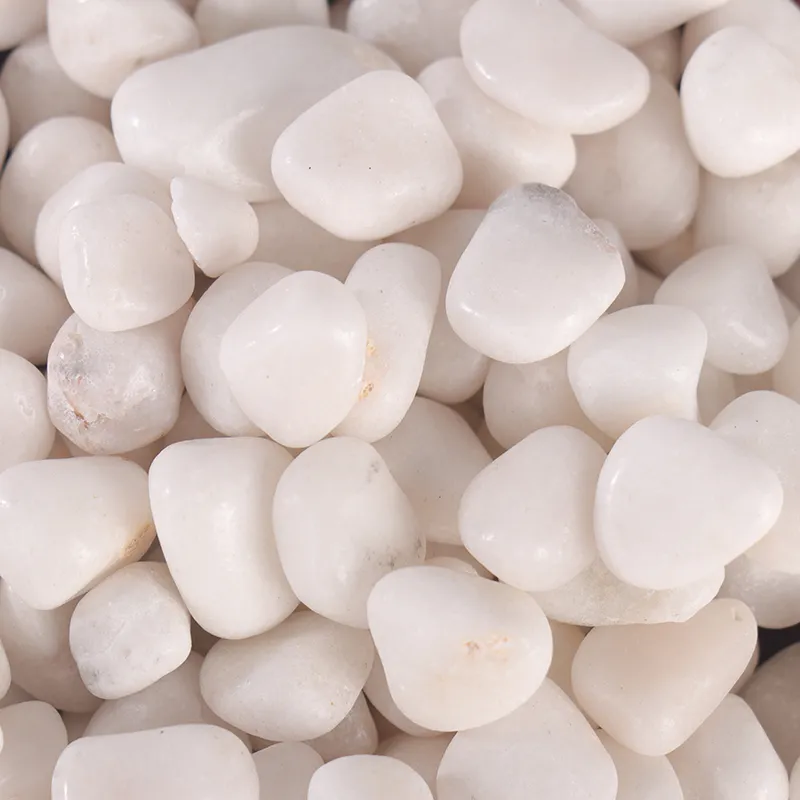
White pea gravel is a popular choice for landscaping projects, offering a clean, bright aesthetic and excellent drainage. But with so many options available, selecting the perfect white pea gravel can feel overwhelming. This guide provides a comprehensive overview of white pea gravel, covering its benefits, applications, types, cost, and how to choose the best option for your needs. Understanding these factors will help you create a beautiful and functional outdoor space.
Benefits of Using White Pea Gravel
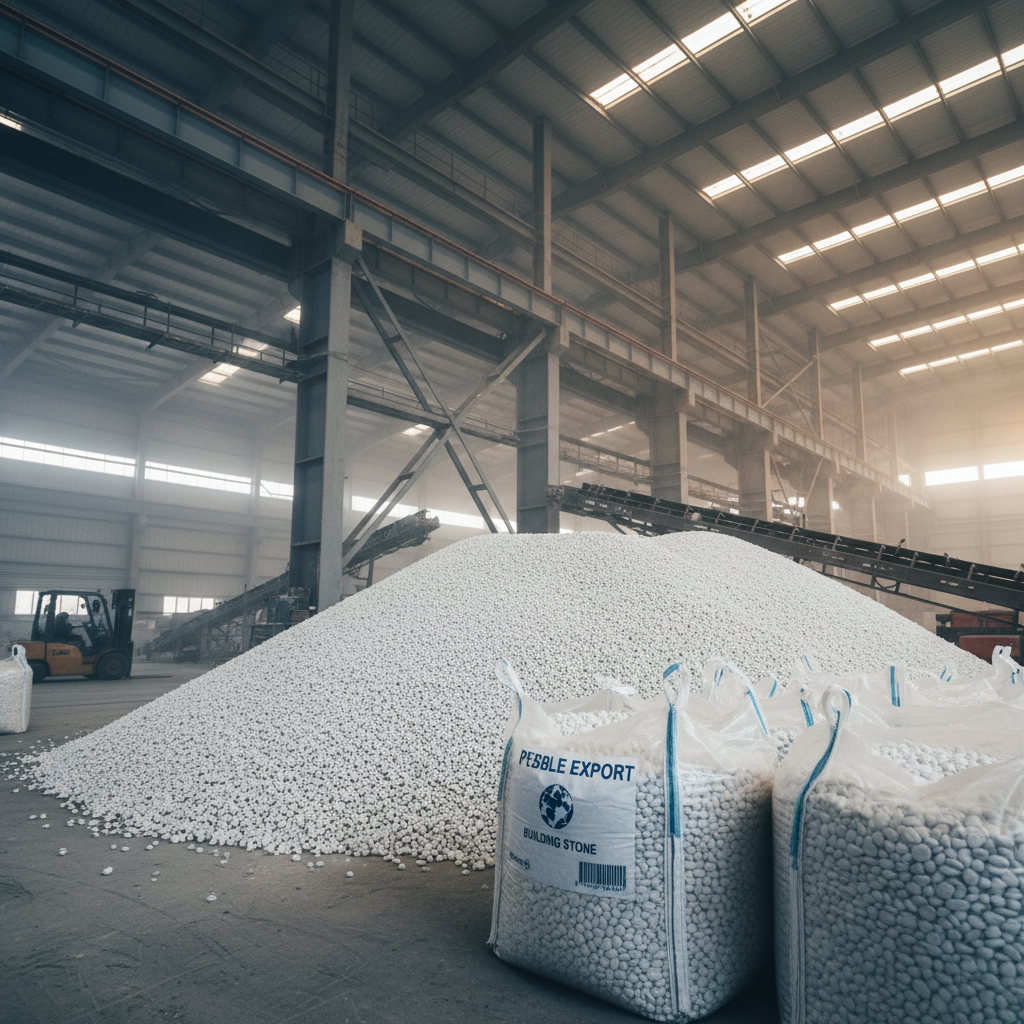
White pea gravel offers numerous advantages for landscaping. Its pale color reflects sunlight, brightening up dark areas and creating a visually appealing contrast with greenery. It's excellent for drainage, preventing water from pooling and reducing the risk of erosion. Unlike mulch, it doesn't decompose, so it requires minimal maintenance and won’t attract pests. Furthermore, it’s an affordable and versatile material suitable for a wide range of applications, from pathways and driveways to garden beds and decorative accents. LSX Cigna provides high-quality white pea gravel for a pristine look.
Key Highlights: Excellent drainage, minimal maintenance, pest resistance, affordability, and a bright, clean aesthetic.
Applications of White Pea Gravel
White pea gravel is incredibly versatile and can be used in numerous landscaping applications. Common uses include creating walkways and pathways, defining garden beds and borders, providing ground cover around plants, constructing driveways, and enhancing drainage in low-lying areas. It’s also a popular choice for decorative features like rock gardens, zen gardens, and water features. Its smooth, rounded shape makes it comfortable to walk on, making it ideal for pathways and patios.
Application Ideas:
• Walkways and pathways
• Garden beds and borders
• Drainage solutions
• Decorative ground cover
Types of White Pea Gravel: A Comparison
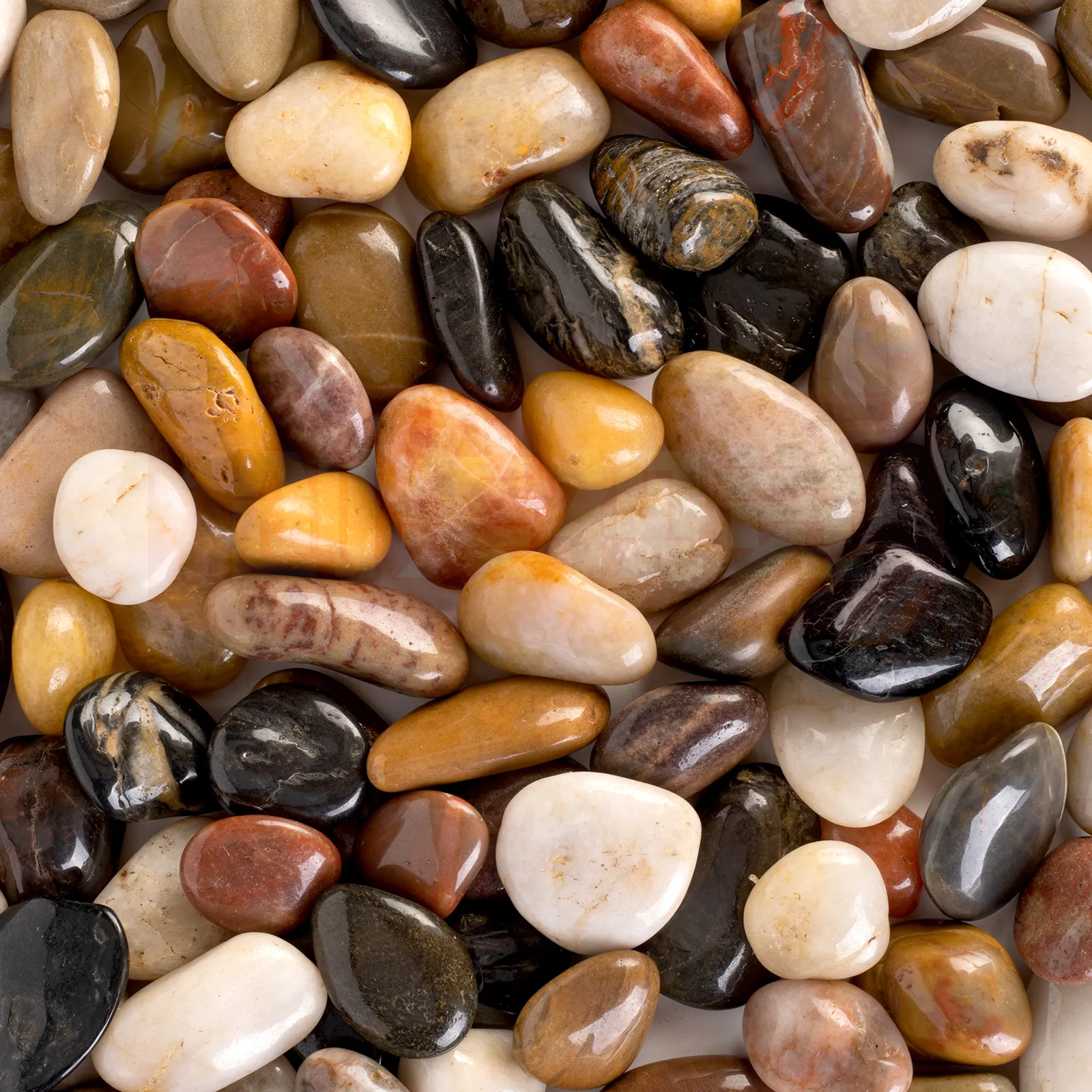
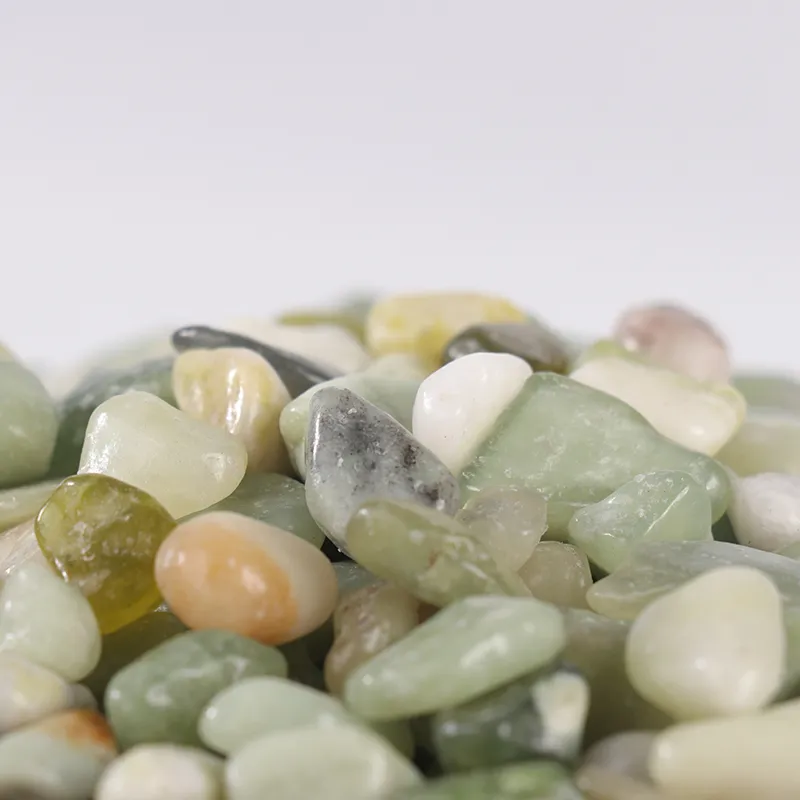
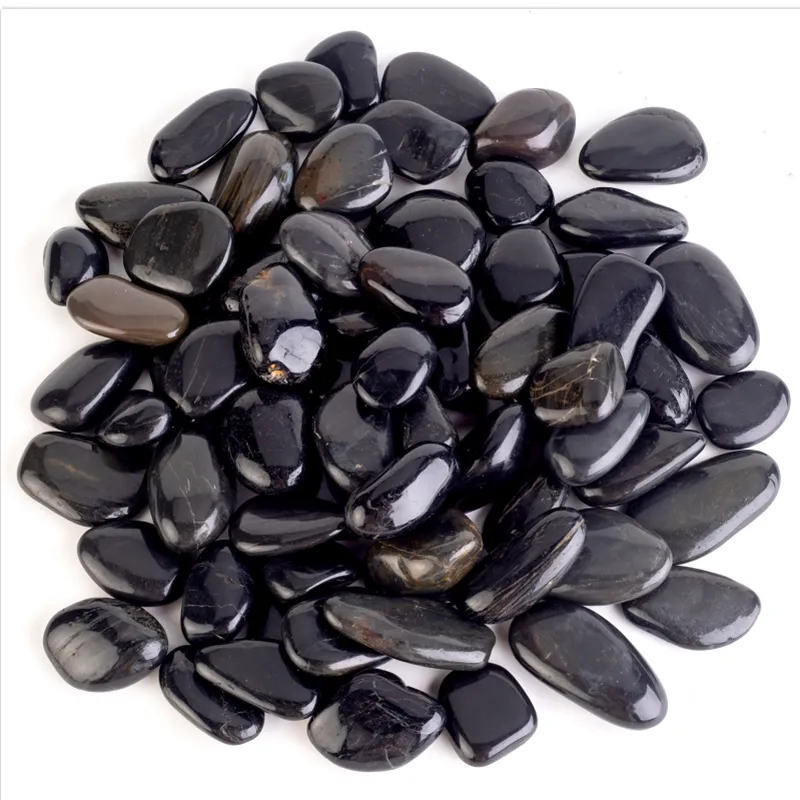
While generally referred to as "white pea gravel," variations exist in terms of color and size. Some gravel may have a slightly more creamy or off-white tone. The size of the pebbles also differs, ranging from smaller, more uniform sizes to larger, more varied sizes. Choosing the right type depends on your aesthetic preferences and the intended application. For example, smaller, more uniform gravel is often preferred for pathways, while larger, more varied gravel can create a more natural look in garden beds. LSX Cigna offers a consistent, bright white pea gravel, ensuring a polished finish.
Cost Considerations for White Pea Gravel
The cost of white pea gravel varies depending on the quantity purchased, location, and supplier. Generally, it’s more expensive than other types of gravel due to its color and processing. Delivery costs also add to the overall expense. It’s important to factor in the amount of gravel needed for your project, accounting for depth and coverage area. Getting quotes from multiple suppliers is always recommended to ensure you're getting the best price. Remember to compare prices per cubic yard or ton, and inquire about any delivery fees.

Choosing the Right White Pea Gravel: A Checklist
Selecting the perfect white pea gravel involves considering several factors. Determine the application to guide your choice of size and color. Calculate the amount of gravel needed, factoring in depth and coverage. Compare prices from multiple suppliers, including delivery costs. Check the gravel’s quality and consistency. And finally, consider the aesthetic impact and how it will complement your existing landscape. LSX Cigna offers expert advice and high-quality white pea gravel to help you achieve your landscaping vision.
Conclusion: Enhance Your Landscape with White Pea Gravel
White pea gravel is a fantastic choice for enhancing the beauty and functionality of your outdoor spaces. Its versatility, durability, and aesthetic appeal make it a popular option for a wide range of landscaping projects. By carefully considering your needs and choosing a reputable supplier like LSX Cigna, you can create a stunning and long-lasting landscape.
Frequently Asked Questions (FAQs)
How much white pea gravel do I need for a 10x10 foot pathway?
To calculate the amount of white pea gravel needed, you first need to determine the desired depth of the gravel. A typical depth for a pathway is 2-4 inches. A 10x10 foot area is 100 square feet. For a 2-inch depth, you'll need approximately 1.67 cubic yards of gravel (100 sq ft x 0.167 ft = 16.7 cubic feet, and 1 cubic yard = 27 cubic feet, so 16.7 / 27 = 0.62, which is around 1.67). For a 4-inch depth, you'll need approximately 3.33 cubic yards. It’s always a good idea to add a small amount extra (around 5-10%) to account for settling and compaction.
How do I install white pea gravel?
Installation typically involves preparing the area by excavating to the desired depth and laying down a layer of landscape fabric to prevent weeds from growing up through the gravel. This fabric also helps with drainage. Then, simply pour the white pea gravel onto the fabric and spread it evenly with a rake. Compacting the gravel slightly will help create a more stable surface. For pathways, consider edging to contain the gravel and prevent it from spreading.
Is white pea gravel prone to weeds?
While white pea gravel itself doesn’t grow weeds, weeds can still sprout from seeds that are present in the soil underneath. This is why laying down a layer of landscape fabric before installing the gravel is so important. The fabric acts as a barrier, preventing weeds from penetrating the gravel layer. Regular maintenance, such as removing any weeds that do manage to grow, will help keep your landscape looking pristine.
-
Premium White Beach Pebble Rocks for Modern Landscape Design
NewsApr.16,2026
-
Enhancing Your Landscape with Premium White Pea Stones
NewsApr.09,2026
-
Enhance Your Outdoor Space with Stunning White Pea Gravel Landscaping Ideas
NewsApr.04,2026
-
Enhance Your Landscape with the Timeless Elegance of Snow White Stones
NewsMar.31,2026
-
Enhance Your Landscaping with Stunning Snow White Pebbles from Bunnings
NewsMar.28,2026