
Regional Analysis
The Mineral Product Landscape in Egypt
Evaluating the intersection of geological availability and industrial demand in North Africa.
Egypt's construction and agricultural sectors are currently undergoing a modernization phase, driven by massive urban expansion projects and the need for food security. In regions like the Nile Delta and the New Administrative Capital, there is a surging demand for high-quality mineral additives. The local market traditionally relied on raw aggregates, but there is a clear shift toward processed minerals like perlite and volcanic stone to meet modern standards of energy efficiency and environmental sustainability.
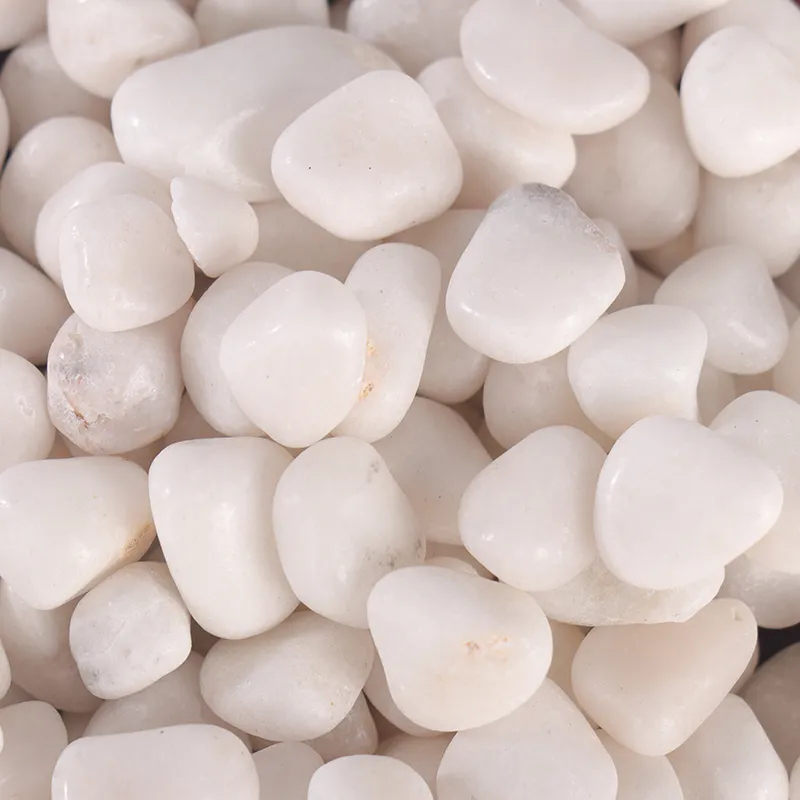
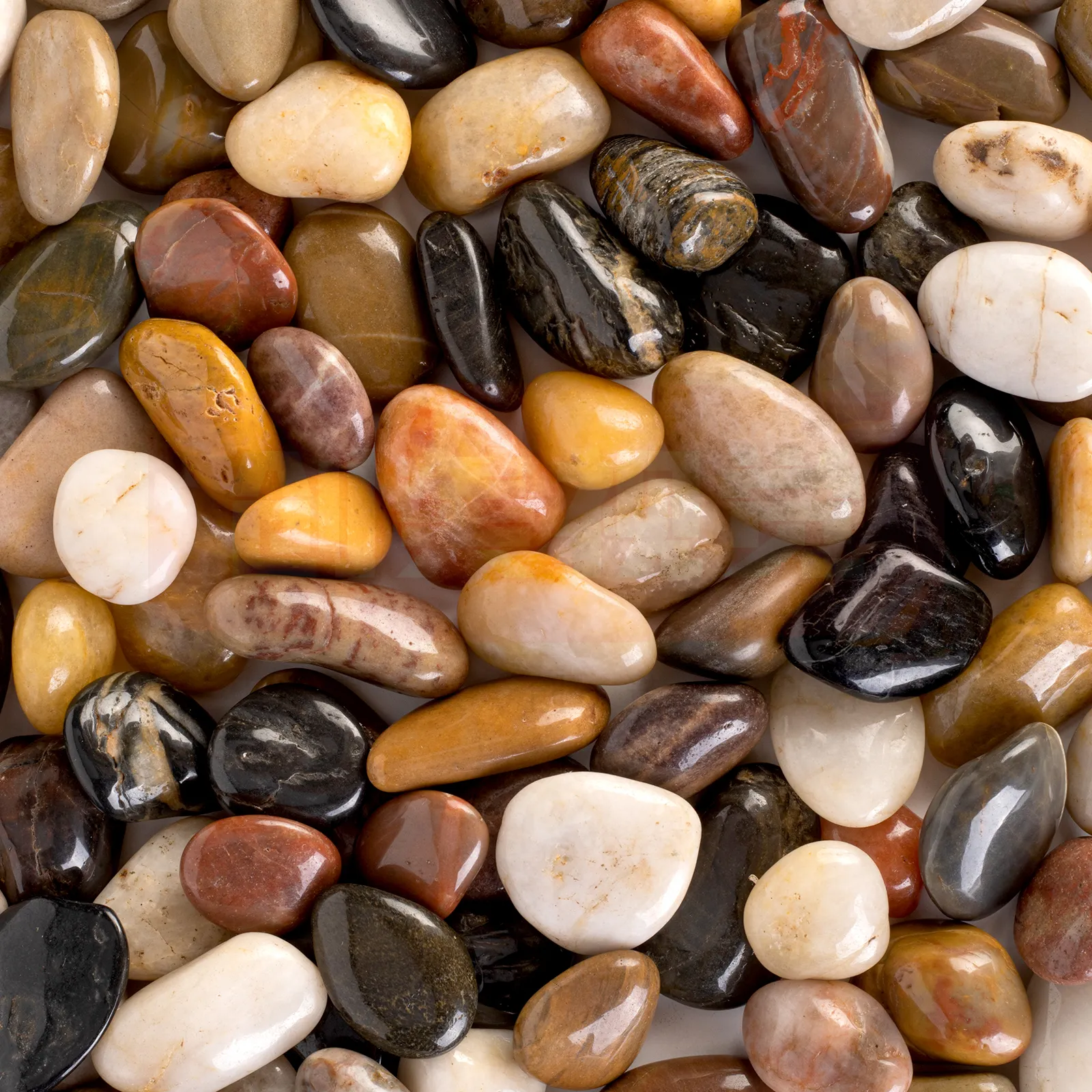
Current trends indicate a move toward "smart landscaping," where the focus is on reducing water consumption. This has increased the search for materials that provide high moisture retention without sacrificing soil structure. Furthermore, the architectural trend in luxury villas and commercial hubs has pivoted toward natural stone aesthetics, making the demand for grey pebble stones and patterned cobblestones a priority for designers seeking a balance between durability and visual appeal.
Despite the growth, the primary constraint remains the inconsistency of mineral purity in local supplies. This creates a significant opportunity for specialized processing plants that can guarantee strict quality control and technical specifications. The outlook for the Egyptian market is positive, with a projected increase in the adoption of lightweight aggregates for concrete and advanced insulating minerals to combat the rising temperatures associated with regional climate change.
Industry Progress
Evolution of Mineral Processing Applications
From basic raw extraction to precision-engineered mineral solutions.
Early Stage
Raw Resource Use
Industries primarily used unrefined minerals. Landscaping relied on basic river stones, and insulation was minimal, resulting in low efficiency and high environmental impact.
Growth Phase
Processing Adoption
The introduction of thermal expansion for perlite and controlled grinding for volcanic stone allowed for specific density controls, improving thermal and horticultural performance.
Current Phase
Precision Engineering
Current focus is on purity, particle size distribution, and specialized mixtures, enabling high-performance applications like cobblestone patios with specific durability ratings.
Sustainable Mineral Sourcing
There is a growing emphasis on the environmental footprint of mineral extraction. Modern processing now focuses on reducing waste during the refinement of vermiculite and zeolite, ensuring that the end product is both eco-friendly and high-performing for agricultural use.
Lightweight Construction Shift
The construction industry is moving away from heavy aggregates toward lightweight minerals. Processed volcanic stone is increasingly used as a lightweight aggregate to produce energy-efficient concrete, reducing the dead load on building structures without compromising strength.
Integrated Soil Management
Horticulture is evolving from simple watering to complex soil chemistry management. The synergy of zeolite for nutrient retention and perlite for aeration is becoming the standard for high-yield greenhouse operations in North Africa.
Future Outlook
Emerging Trends in Non-Metallic Mineral Products
Strategic shifts defining the next generation of mineral application and processing.
Eco-Efficient Landscaping
Growing demand for permeable surfaces to manage stormwater runoff. Volcanic stone and porous cobblestones are replacing solid concrete to allow natural water infiltration in urban Egypt.
Precision Horticulture
The shift toward hydroponics and substrate-based farming increases the need for highly pure perlite and vermiculite that are free from contaminants and optimized for aeration.
Thermal Energy Optimization
Integration of mineral-based insulation in green building certifications. Perlite is being used more frequently in prefabricated panels to meet strict Egyptian energy codes.
Aesthetic Mineral Design
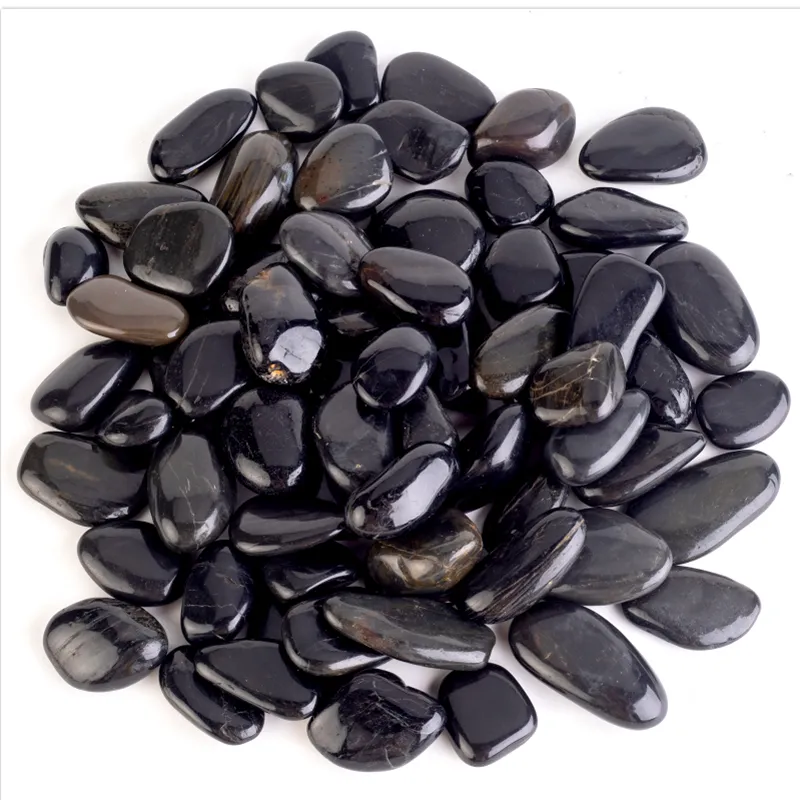
Combination of grey pebble stones with contrasting black lava rocks to create high-contrast, modern outdoor spaces for commercial properties.
The convergence of environmental regulation and urban growth is pushing the mineral industry toward a "circular economy" model. In Egypt, this means maximizing the utility of every processed ton of volcanic stone or zeolite. By optimizing the grain size and purity, manufacturers can ensure that these minerals not only serve a primary purpose—such as insulation—but also provide secondary benefits like humidity control and soil stabilization, thereby increasing the overall value for the end-user.
Furthermore, the digital transformation of the supply chain is allowing for better synchronization between mineral processing plants and large-scale infrastructure projects. The ability to specify exact technical parameters for cobblestone blocks—including porosity and compressive strength—allows architects to design outdoor spaces that are perfectly tuned to the local Egyptian climate, ensuring longevity and reducing the need for costly repairs over the building's lifecycle.
Practical Application
Mineral Implementation Scenarios in Egypt
How our materials solve specific environmental and operational problems in real-world settings.
01
Urban Villa Courtyards in New Cairo
In luxury residential projects in New Cairo, owners often face the challenge of heat radiation from stone surfaces. By installing cobblestone patios using high-quality volcanic aggregates, the surface remains cooler and provides better drainage during rare but intense rain events, enhancing the outdoor living experience.
02
Commercial Greenhouse Operations in Beheira
Farmers in the Beheira region struggle with sandy soils that drain too quickly. By mixing zeolite and vermiculite into the potting medium, they create a nutrient-rich substrate that retains water and essential minerals, leading to a measurable increase in crop yield and a reduction in fertilizer waste.
03
Industrial Warehouse Insulation in Alexandria
Warehouses near the coast of Alexandria face high humidity and temperature swings. Using perlite-based insulating materials in the roofing and wall structures prevents heat ingress during the day, protecting stored goods and reducing the energy cost of industrial HVAC systems.
04
Public Plaza Landscaping in Downtown Cairo
High-traffic public areas require materials that do not crack under pressure. The implementation of heavy-duty cobblestone blocks provides a durable, slip-resistant surface that withstands thousands of daily pedestrians while maintaining a classic architectural aesthetic.
05
Modern Zen Gardens in Giza Resorts
Resorts in Giza utilize a combination of grey pebble stones and black landscape rock to create low-maintenance, water-wise landscapes. These minerals prevent weed growth and reduce evaporation from the soil, aligning with sustainable tourism goals.
Industry Perspective
Representative Application Outcomes
Illustrative scenarios demonstrating the operational impact of our mineral products.
In high-end residential landscaping, the transition to high-density volcanic aggregates for patios significantly reduced surface cracking. The material's ability to withstand extreme heat without expanding excessively ensures a level surface and lower maintenance frequency for the homeowner.
Switching to a vermiculite-perlite blend for substrate management in greenhouse operations has led to a more consistent root environment. The improved aeration and water retention reduced the daily irrigation cycle, lowering water bills while maintaining plant health.
Implementing perlite-based thermal insulation in industrial ceiling panels helped stabilize internal warehouse temperatures. The fire-resistant properties of the mineral provided an added layer of safety and compliance with local building regulations.
Our Heritage
Commitment to Mineral Excellence
Built on integrity and a relentless pursuit of quality in mineral processing.
Foundation
Industrial Mineral Focus
Our company was established with a core mission to provide high-quality mineral products for the agriculture, horticulture, and thermal insulation industries, focusing on materials that solve real-world environmental problems.
Expansion
Diversified Product Portfolio
We expanded our range to include volcanic stone, perlite, zeolite, and vermiculite, ensuring a comprehensive suite of solutions for soil aeration, drainage, and high-performance building insulation.
Current Era
Global Quality Standards
Today, we are committed to being a trusted partner, providing best-in-class products based on the principles of integrity and customer satisfaction, serving diverse industry needs worldwide.
Knowledge Base
Common Inquiries Regarding Mineral Products
Technical and commercial answers to help you select the right minerals for your project.
What is the primary difference between volcanic stone and standard cobblestone for patios?
The primary difference lies in porosity and density. Volcanic stone is typically more porous, which allows for better water drainage and a lighter overall weight, making it ideal for decorative landscapes. In contrast, standard cobblestone blocks are denser and designed for higher compressive strength, making them better suited for driveways or high-traffic public walkways where structural durability is the priority.
How do vermiculite and perlite specifically improve soil quality in arid regions?
Vermiculite acts as a biological sponge, absorbing and holding significant amounts of water and nutrients, which reduces the frequency of irrigation. Perlite, on the other hand, creates tiny air pockets within the soil, preventing compaction and ensuring that roots have access to oxygen. Together, they create a balanced substrate that prevents waterlogging while fighting dehydration in hot climates.
Can zeolite be used alongside other fertilizers in Egyptian agriculture?
Yes, zeolite is designed to be used as a soil amendment alongside traditional fertilizers. Its high cation-exchange capacity allows it to capture ammonium and other nutrients that would otherwise leach away during irrigation. This means farmers can often reduce the total amount of fertilizer applied while maintaining or increasing the nutrient availability to the plant roots.
What are the thermal insulation benefits of perlite for commercial buildings?
Perlite has an extremely low thermal conductivity due to its cellular structure. When used in insulation boards or as an additive in concrete, it creates a thermal barrier that slows the transfer of heat from the exterior to the interior. In Egypt's summer, this reduces the load on air conditioning systems, leading to significant energy savings and a more stable internal climate.
How do I choose between grey pebble stones and black landscape rock for a project?
The choice depends on the desired aesthetic and functional goal. Grey pebble stones are often used for a natural, river-like appearance and are excellent for drainage paths and Zen gardens. Black landscape rock provides a modern, high-contrast look and is often more effective at absorbing heat, which can be a design advantage in certain architectural contexts. Both are durable and low-maintenance options.
What is the best way to ensure the longevity of a cobblestone patio?
Longevity depends on two factors: material quality and base preparation. Selecting high-density cobblestone stone ensures resistance to wear and UV damage. More importantly, using a properly compacted mineral base prevents shifting and sinking. We recommend regular inspection of the joints and using high-quality polymeric sand to prevent weed growth and maintain structural stability over time.
Consult Our Experts
Ready to Enhance Your Infrastructure with Premium Minerals?
Whether you are developing a commercial landscape in Cairo or optimizing agricultural yields in the Delta, our technical team can help you select the precise mineral grade for your needs. From durable cobblestone patios to advanced thermal insulation, we provide the materials that ensure long-term performance in the Egyptian climate.
Discuss Your Requirements