Jan . 28, 2026 00:45 Back to list
Enhance Your Outdoor Space with Beautiful Gray and White Landscaping Rock
Gray and White Landscaping Rock: A Comprehensive Guide
Choosing the right landscaping rock can dramatically enhance your outdoor space. Gray and white landscaping rock offers a versatile and modern aesthetic, fitting seamlessly into a wide range of designs. This article delves into the benefits, applications, types, and installation tips for these popular rocks, helping you create a stunning and low-maintenance landscape. Understanding the nuances of these materials will help you make an informed decision for your next project.

Benefits of Using Gray and White Landscaping Rock
Gray and white rocks offer several advantages over other landscaping materials. Their neutral tones complement virtually any color scheme, providing a sophisticated and clean look. They are incredibly durable, requiring minimal maintenance beyond occasional cleaning. Unlike mulch, they don't decompose, reducing the need for frequent replenishment. Furthermore, these rocks help suppress weed growth, conserve soil moisture, and prevent erosion. Choosing gray and white rocks can ultimately save you time and money in the long run.
Key Highlights: Durable, low-maintenance, weed suppression, moisture retention, and erosion control.
Popular Types of Gray and White Landscaping Rock
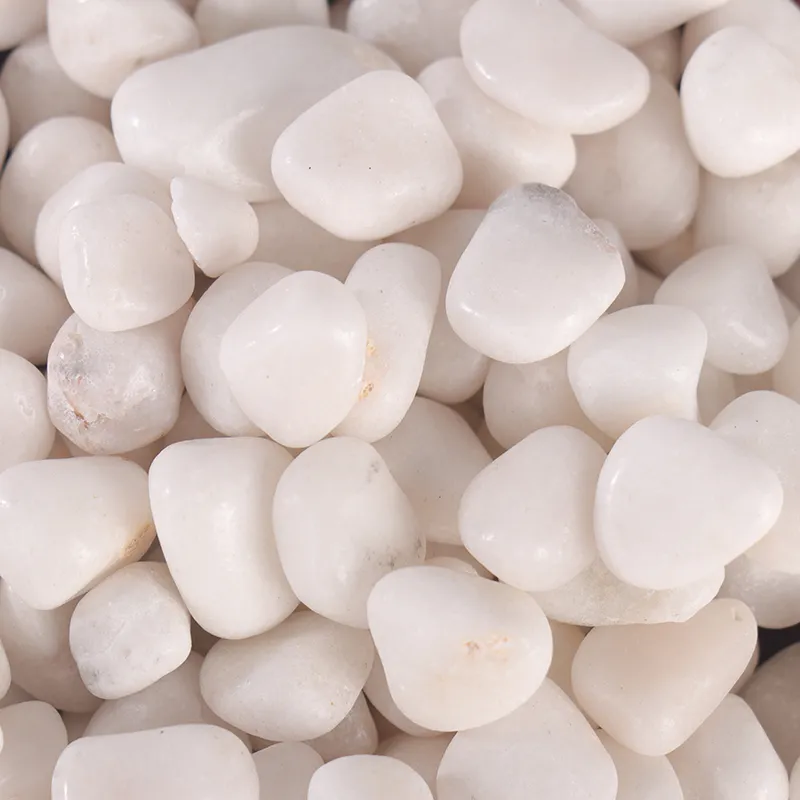
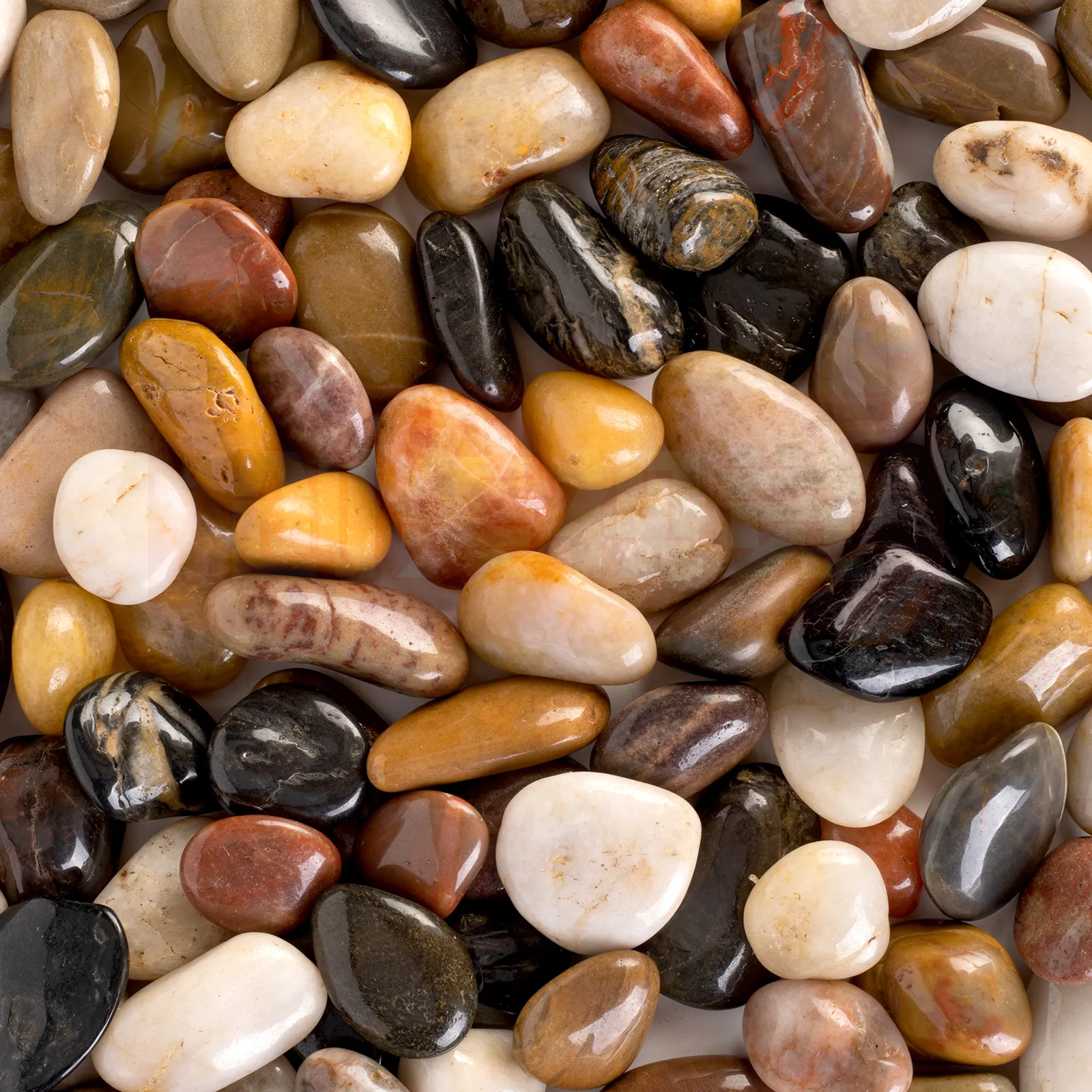
Several types of rock fall into the gray and white color spectrum, each with unique characteristics. River rock, polished smooth by water, offers a natural and rounded appearance. Pea gravel, smaller in size, is ideal for pathways and playgrounds. Crushed granite provides a more angular and contemporary look. Marble chips offer a luxurious and refined aesthetic. Understanding the differences will help you select the perfect rock for your specific needs and design preferences. LSX Cigna offers a wide variety of these options.
Rock Type Comparison:
• River Rock: Smooth, rounded, natural appearance.
• Pea Gravel: Small size, ideal for pathways.
• Crushed Granite: Angular, contemporary look.
• Marble Chips: Luxurious, refined aesthetic.
Gray and White Landscaping Rock Applications
The versatility of gray and white rock allows for diverse landscaping applications. They are perfect for creating pathways, defining garden beds, enhancing drainage, and providing a decorative ground cover. They can also be used in dry creek beds, rock gardens, and as a base for potted plants. Their neutral tones complement various architectural styles, making them suitable for both modern and traditional landscapes. Consider using larger rocks as focal points and smaller rocks for filling in gaps.
Installation Tips for Gray and White Landscaping Rock
Proper installation is key to achieving a long-lasting and visually appealing result. Begin by removing all vegetation and debris from the area. Install a weed barrier fabric to prevent weed growth. Digging down a few inches and compacting the base will create a stable foundation. Distribute the rock evenly, ensuring a consistent depth. For pathways, consider using edging to contain the rock. LSX Cigna provides helpful resources and installation guides.

Maintaining Your Gray and White Rock Landscape
Gray and white landscaping rock is remarkably low-maintenance. Occasional raking to remove leaves and debris is typically all that’s required. You can also use a leaf blower for quick cleanups. To prevent weeds from sprouting, consider applying a pre-emergent herbicide annually. Periodically rinse the rock with water to restore its brightness. With minimal effort, you can keep your landscape looking pristine for years to come. Contact LSX Cigna for product recommendations and maintenance tips.
Conclusion: Enhance Your Outdoor Space with Gray and White Rock
Gray and white landscaping rock provides a beautiful, durable, and low-maintenance solution for a variety of landscaping needs. Its versatility and neutral tones make it a perfect choice for any style of home. By following the tips outlined in this guide, you can create a stunning outdoor space that will enhance your property’s curb appeal and provide years of enjoyment.
Frequently Asked Questions (FAQs)
How much gray and white landscaping rock do I need?
Calculating the amount of rock needed requires determining the area you want to cover and the desired depth. Multiply the length by the width of the area to get the square footage. Then, multiply the square footage by the desired depth (in inches) and divide by 12 to convert to cubic feet. Finally, use a rock calculator (available on LSX Cigna’s website) to estimate the weight and quantity needed. Remember to add a little extra for compaction and potential waste.
What is the best way to prevent weeds from growing through gray and white landscaping rock?
The most effective method is to install a high-quality weed barrier fabric beneath the rock. This prevents weeds from sprouting from the soil below. Additionally, applying a pre-emergent herbicide in the spring can help prevent weed seeds from germinating. Regularly removing any weeds that do manage to grow will also help keep your landscape weed-free.
Are gray and white rocks suitable for all climates?
Generally, yes. Gray and white rocks are durable and can withstand a wide range of climates. However, in areas with extreme temperature fluctuations (freezing and thawing), some rock types may experience minor cracking over time. Choosing a denser rock type, such as granite, can help minimize this risk.
How often should I replenish gray and white landscaping rock?
Unlike organic mulches, gray and white rock doesn’t decompose, so it doesn’t need to be replenished as frequently. However, over time, some rocks may shift, settle, or get washed away, especially on slopes. Adding a small amount of rock annually can help maintain a consistent appearance and depth.
-
Premium White Beach Pebble Rocks for Modern Landscape Design
NewsApr.16,2026
-
Enhancing Your Landscape with Premium White Pea Stones
NewsApr.09,2026
-
Enhance Your Outdoor Space with Beautiful White Pea Gravel Landscaping
NewsApr.07,2026
-
Enhance Your Outdoor Space with Stunning White Pea Gravel Landscaping Ideas
NewsApr.04,2026
-
Enhance Your Landscape with the Timeless Elegance of Snow White Stones
NewsMar.31,2026
-
Enhance Your Landscaping with Stunning Snow White Pebbles from Bunnings
NewsMar.28,2026