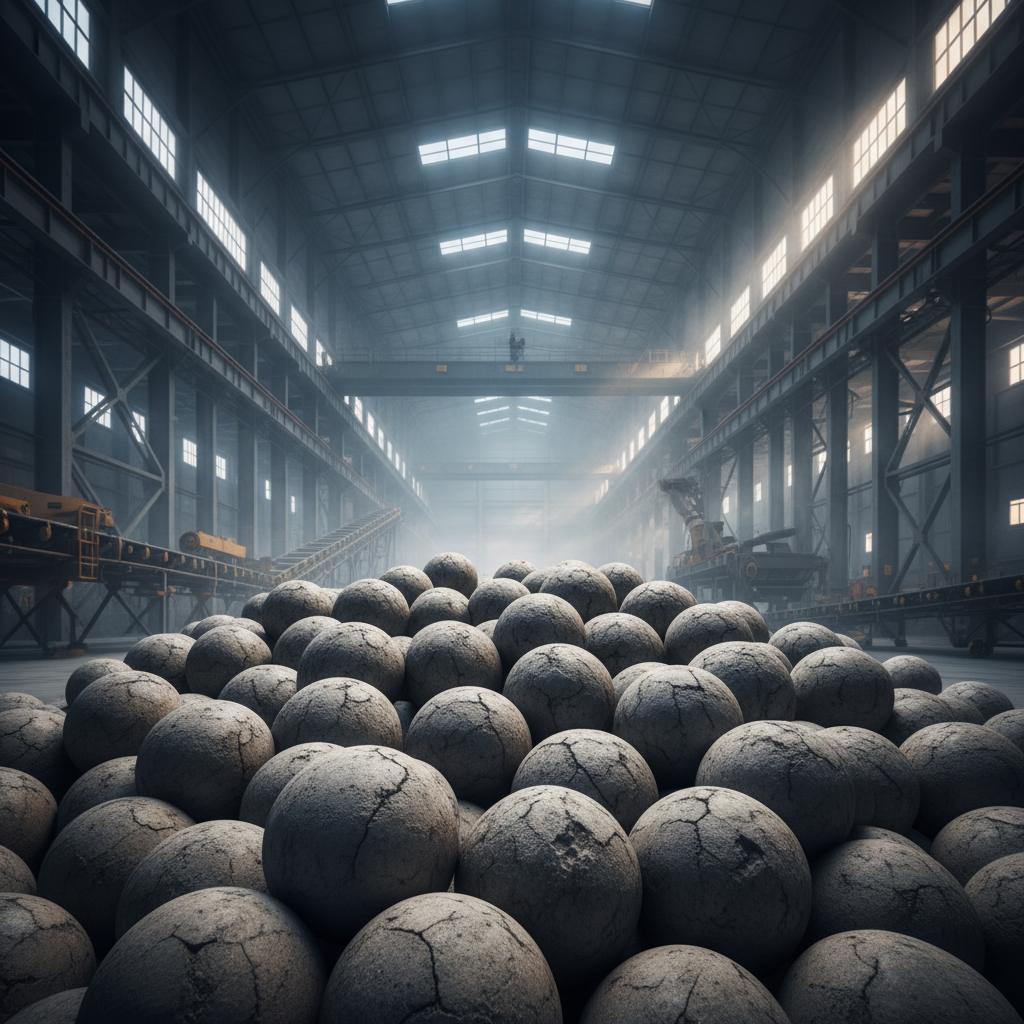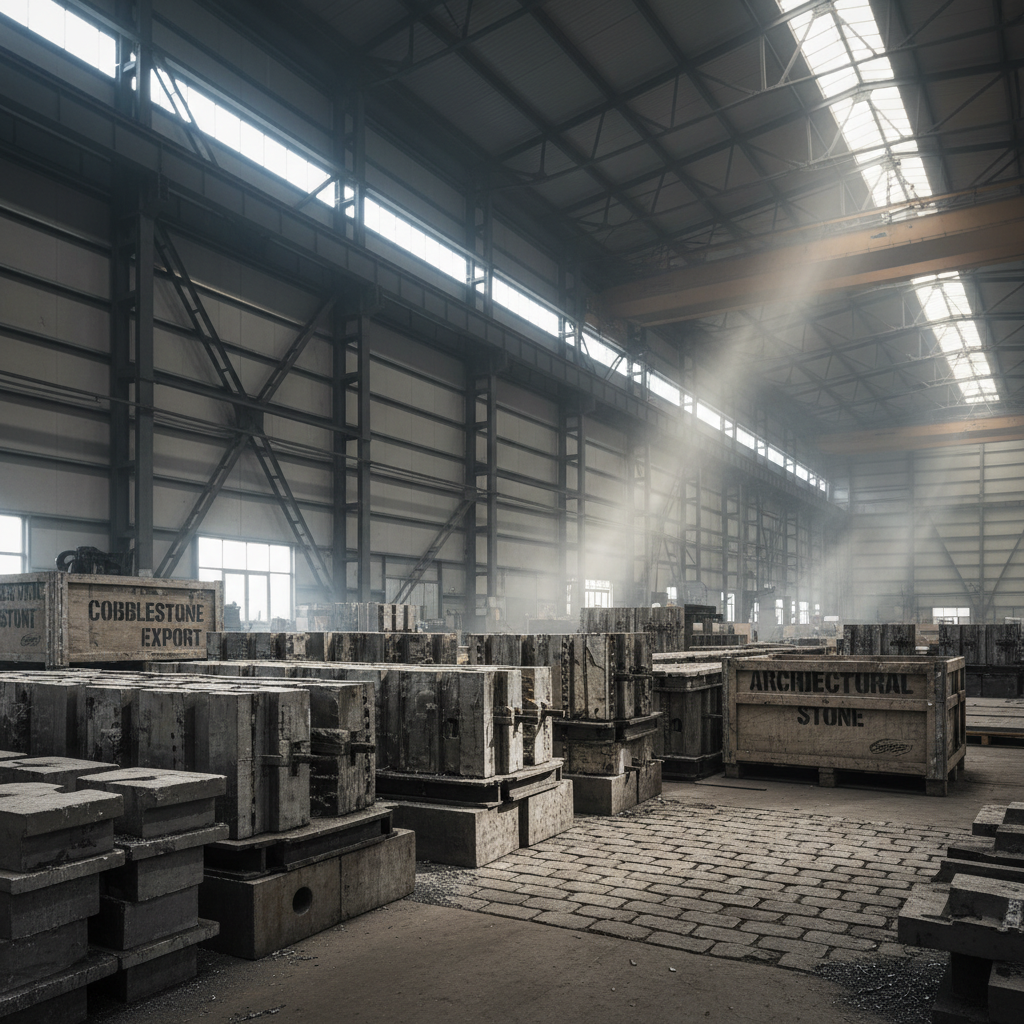
Determining the total investment for a landscaping project often begins with a critical analysis of cobble block paving prices, which vary significantly based on material grade, finish, and installation complexity. Unlike standard concrete slabs, natural cobblestones offer a blend of timeless aesthetics and structural resilience that justifies a more nuanced pricing model.
For homeowners and commercial developers, the cost is rarely just about the price per square foot of the stone itself. It involves a complex interplay of logistics, surface preparation, and the specific geological properties of the mineral products used, such as the difference between ordinary polished stone and high-grade architectural finishes.
Understanding these cost drivers allows buyers to balance their budget without compromising on the durability or the visual impact of their outdoor or indoor environments, ensuring a high return on investment through increased property value and reduced long-term maintenance.

Analyzing the Core Factors Influencing Paving Costs

When evaluating cobble block paving prices, one must first distinguish between the raw material cost and the fully installed cost. The price is primarily driven by the rarity of the stone, the precision of the cut, and the level of polishing required. For instance, ordinary polished stones used for sidewalks are priced lower than the high-grade polished stones reserved for luxury lobbies.
Labor costs also play a pivotal role. Natural cobblestones require meticulous hand-laying to ensure proper drainage and structural interlocking, which increases the man-hours compared to modular paving systems. The complexity of the pattern—whether it is a simple running bond or a complex fan pattern—will further fluctuate the final invoice.
Additionally, the site condition determines the "invisible" costs. Sub-base preparation, involving the layering of crushed stone and sand, is essential for preventing sinking or shifting. Neglecting this stage may lower the initial price but invariably leads to higher repair costs over the lifecycle of the pavement.
Material Grades and Their Economic Impact
The distinction between "Ordinary" and "High-Grade" polished stone is not merely aesthetic but technical. Ordinary polished stone is engineered for high-traffic outdoor environments like gardens and courtyards, focusing on wear resistance and corrosion resistance. Its pricing reflects its utility and broader availability.
High-grade polished stone, conversely, undergoes a more rigorous refinement process to achieve a smooth, bright texture. This material is typically deployed in interior high-visibility areas such as corridors and living rooms, where the focus is on enhancing the overall ambience and perceived quality of the space.
From a procurement perspective, the price gap between these grades is often justified by the stone's porosity and mineral consistency. Higher grades typically exhibit lower water absorption and higher compressive strength, making them more suitable for specialized carvings and sculptures.
Strategic Applications for Different Stone Finishes
Matching the stone finish to the application is the most effective way to optimize a project budget. For exterior landscaping, the use of textured or ordinary polished stone provides the necessary grip and durability to withstand weather cycles and heavy foot traffic without requiring constant polishing.
In contrast, interior luxury spaces benefit from the reflective properties of high-grade polished stone. This application not only serves a decorative purpose but also improves the lighting efficiency of a room by reflecting natural and artificial light, reducing the need for additional illumination.
Specialized elements, such as black pebbles, offer a different value proposition. These are often used as decorative borders, in terrariums, or as moisture-retaining layers in horticulture. Their price is influenced by the consistency of the deep black hue and the smoothness of the rounded edges, which are achieved through specific tumbling processes.
Comparing Durability Metrics Across Stone Types
To understand the long-term value of different paving options, we must look at performance metrics such as wear resistance and maintenance frequency. Natural stone generally outperforms synthetic alternatives in terms of UV stability and atmospheric corrosion resistance.
The following data represents relative performance benchmarks based on typical mineral properties. While standard paving materials provide basic utility, high-quality natural stone solutions offer superior longevity in harsh environments.
cobble block paving prices Performance Metrics
As illustrated, the investment in higher-grade materials correlates with a significant increase in surface hardness and a decrease in the need for periodic sealant replacement, thereby lowering the total cost of ownership (TCO) over a ten-year horizon.
Procurement Best Practices for Natural Stone Paving
Smart procurement requires looking beyond the initial quote. Buyers should request samples to verify the consistency of the polished finish and the mineral composition. In the non-metallic mineral products industry, slight variations in stone sourcing can lead to significant differences in how the material ages over time.
It is also critical to verify the supplier's ability to provide consistent quality across large volumes. For large-scale projects, a variance in stone color or polishing grade can result in a patchy appearance, necessitating costly replacements and delays in project handover.
Finally, considering the synergy between different mineral products—such as using volcanic stone or zeolite for drainage layers beneath the cobble paving—can improve the overall system performance and longevity, potentially reducing future maintenance costs.
Future Trends in Sustainable Mineral Paving Materials
The industry is moving toward "permeable paving" systems that combine traditional cobblestone aesthetics with advanced sub-base minerals. The integration of materials like perlite or volcanic stone in the base layers may increase water infiltration, reducing urban runoff and supporting local groundwater recharge.
There is also a growing demand for ethically sourced and locally quarried stones to reduce the carbon footprint associated with international shipping. This shift could lead to a regionalization of cobble block paving prices, where local mineral characteristics dictate the design trends of specific cities.
Furthermore, advancements in automated polishing technologies are expected to narrow the price gap between ordinary and high-grade finishes, making luxury aesthetics more accessible for residential mid-market applications while maintaining high durability standards.
Decision Matrix for Selecting the Right Paving Solution
Selecting the appropriate stone requires a balance of budget, usage, and desired aesthetic. The following matrix provides a technical comparison to help procurement officers and designers make an informed decision based on specific project requirements.
Whether the goal is a minimalist modern garden or a high-traffic commercial lobby, the choice of stone should be dictated by the environmental stressors the surface will encounter.
| Material Category | Primary Use Case | Maintenance Level | Relative Cost Factor |
|---|---|---|---|
| Ordinary Polished Stone | Outdoor Courtyards | Low - Periodic Cleaning | Moderate |
| High-Grade Polished Stone | Interior Lobbies | Medium - Occasional Buffing | High |
| Natural Black Pebbles | Garden Borders/Vases | Very Low - Rinse Only | Low to Moderate |
| Volcanic Stone Aggregate | Drainage Sub-bases | None - Permanent | Low |
| Carved Stone Artworks | Architectural Reliefs | High - Specialized Care | Very High |
| Mixed Mineral Paving | Urban Sidewalks | Low - Standard Sweep | Moderate |
Ultimately, the most cost-effective solution is one that minimizes the lifecycle cost by matching the stone's inherent properties to the actual demands of the environment.
Frequently Asked Questions
Conclusion
Navigating cobble block paving prices requires a strategic approach that prioritizes material suitability over the lowest initial cost. By distinguishing between ordinary and high-grade finishes and integrating supportive mineral products, project owners can achieve a balance of aesthetic luxury and structural permanence.
For those seeking to implement professional paving solutions or evaluate specific mineral products for their next project, detailed specifications and product ranges can be reviewed through www.lsxcigna.com.