Guide to Cobblestone Price per Square Meter and Selection
Selecting the right stone paving involves a critical balance between aesthetic appeal, long-term durability, and project budget. For professionals in landscaping and urban development, understanding the variables that influence the cobblestone price per square meter is essential for accurate cost estimation and material selection. Whether you are designing a high-traffic commercial sidewalk or a serene residential courtyard, the choice between ordinary polished stone and high-grade decorative minerals significantly impacts the final atmosphere and maintenance requirements of the space.
Natural stone solutions provide more than just a walking surface; they offer corrosion resistance and a timeless elegance that synthetic materials cannot replicate. From the versatile application of standard polished stones to the mystical allure of precious ores like Yuhua stone, the options available cater to a wide spectrum of architectural needs. By evaluating the specific environmental demands—such as moisture exposure and foot traffic volume—buyers can optimize their investment and ensure the longevity of their outdoor or indoor paving projects.

Understanding the Versatility of Polished Stone in Modern Construction
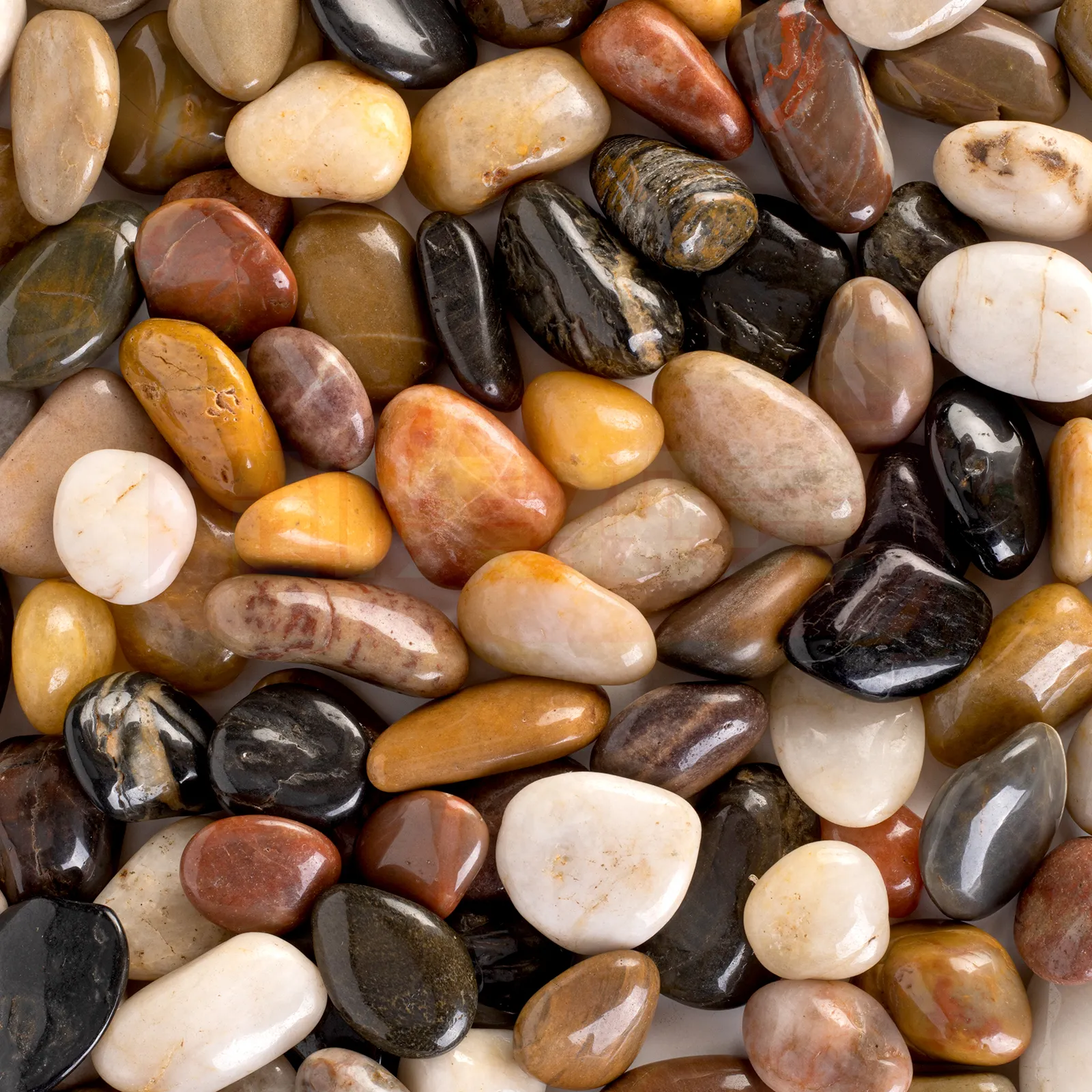
Polished stone is categorized based on its finish and intended use, primarily splitting into ordinary and high-grade varieties. Ordinary polished stone is engineered for resilience, making it a primary choice for outdoor floor paving. Its inherent wear resistance and ease of cleaning make it ideal for environments such as public sidewalks, garden pathways, and residential courtyards where exposure to weather and debris is constant.
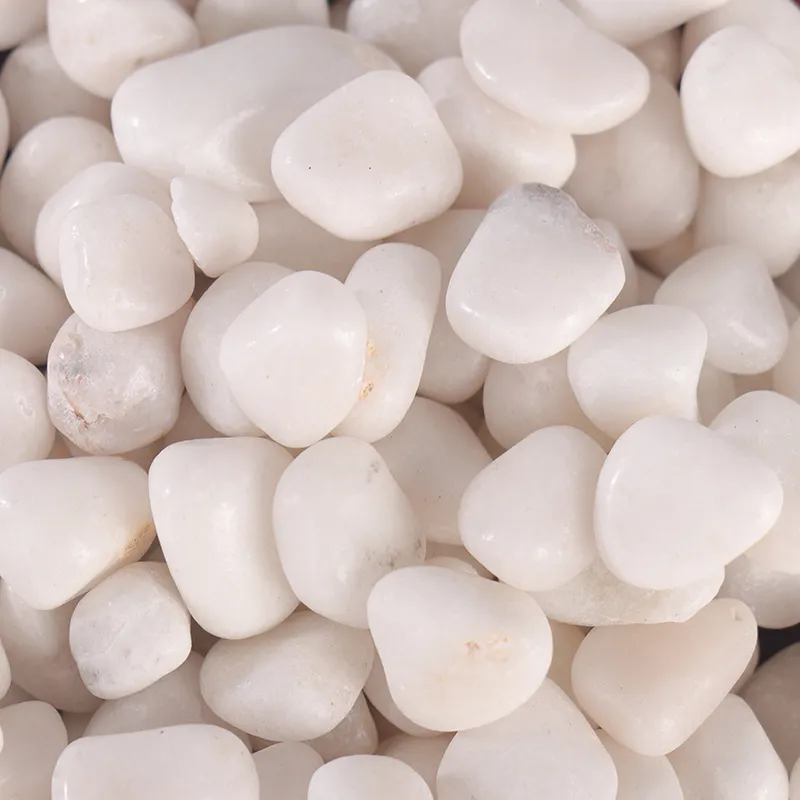
In contrast, high-grade polished stone is reserved for interior luxury. Its surface is finely processed to achieve a smooth, bright texture that reflects light, enhancing the perceived volume and quality of lobbies, corridors, and living rooms. Beyond flooring, these premium stones are often utilized in the creation of carved artworks, including relief sculptures and intricate ornaments, showcasing the unique artistic charm and structural integrity of the mineral.
- Ordinary Polished: Focuses on corrosion resistance and durability for outdoor utility.
- High-Grade Polished: Focuses on luminosity and aesthetic refinement for interior luxury.
- Artistic Application: Used for high-value carvings and architectural accents.

Specialized Mineral Applications: From Yuhua Stone to Functional Aggregates
Beyond standard paving, the industry utilizes specialized minerals that serve both aesthetic and functional purposes. Yuhua stone, often referred to as "green jade" due to its unique cyan hue, represents a pinnacle of gemstone value in traditional culture. It is highly sought after for crafts and ornaments, not only for its visual beauty but for its perceived energy-balancing properties, which are sometimes integrated into traditional wellness practices.
Parallel to these luxury stones are functional mineral aggregates. Volcanic stone, characterized by its porous structure, is widely deployed in horticulture and landscaping to retain moisture and air, promoting healthier plant root systems. Similarly, minerals like vermiculite and perlite are indispensable for thermal insulation and soil aeration. These materials demonstrate the breadth of the non-metallic mineral industry, where a single material can transition from a construction aggregate to a high-performance insulating agent.
Buyer Considerations for Selecting Paving Materials
When determining the most suitable stone for a project, procurement managers must look beyond the initial cost per unit. The environment dictates the specification. For outdoor areas, the priority should be the stone's ability to withstand freeze-thaw cycles and chemical corrosion. Ordinary polished stones are typically recommended here due to their robust nature and ability to maintain structural integrity under heavy foot traffic.
For indoor settings, the focus shifts to the "ambience factor." High-grade polished stones provide a sophisticated atmosphere but may require different maintenance protocols to preserve their shine. Buyers should also consider the source and purity of the stone, as inconsistencies in mineral composition can lead to uneven weathering or staining over time. Consulting with a supplier who understands both the horticultural and construction applications of minerals ensures a holistic approach to site development.
Comparison of Polished Stone Grades and Applications
| Stone Grade | Primary Environment | Key Characteristic | Recommended Use |
|---|---|---|---|
| Ordinary Polished | Outdoor/Exterior | Wear & Corrosion Resistance | Sidewalks, Gardens, Courtyards |
| High-Grade Polished | Indoor/Interior | Smooth, Bright Texture | Lobbies, Living Rooms, Corridors |
| Yuhua (Green Jade) | Decorative/Art | Unique Cyan Color | Crafts, Ornaments, Carvings |
| Volcanic Stone | Landscaping/Industrial | High Porosity | Lightweight Concrete, Horticulture |
| Insulating Minerals | Technical/Industrial | Thermal Resistance | Fireproofing, Soil Aeration |
Optimizing Supply Chain and Quality Assurance in Mineral Procurement
Ensuring consistency in large-scale mineral shipments is a primary challenge for B2B buyers. Quality assurance begins with the raw ore selection. For decorative stones, color consistency is paramount; for functional stones like perlite or zeolite, the chemical composition and particle size distribution determine the effectiveness of the final application. A reliable partner adheres to strict quality standards to ensure that every square meter of delivered material meets the project's technical specifications.
Furthermore, the integration of diverse mineral products—ranging from volcanic stone for drainage to polished stone for surfacing—allows developers to streamline their supply chain. By sourcing from a provider committed to integrity and reliability, companies can reduce lead times and ensure that all materials, whether for agriculture, insulation, or decoration, are delivered with consistent performance characteristics.
Future Trends in Natural Stone and Mineral Integration
The industry is moving toward a more sustainable approach to stone extraction and processing. There is an increasing demand for materials that not only provide durability but also contribute to energy efficiency. The use of lightweight aggregates in concrete and high-performance insulating minerals is becoming standard in green building certifications, reducing the overall carbon footprint of large-scale constructions.
Additionally, the intersection of traditional aesthetics and modern engineering is leading to new ways of using precious stones. We are seeing a rise in the integration of "gemstone" minerals like Yuhua stone into modern architectural accents, blending cultural value with contemporary design. For the professional buyer, staying informed about these material evolutions is key to providing innovative and durable solutions for their clients.
Frequently Asked Questions About Stone Paving and Minerals
What factors primarily influence the cobblestone price per square meter?
The price is mainly driven by the grade of the stone (ordinary vs. high-grade), the level of polishing required, the rarity of the mineral (such as the unique cyan color of Yuhua stone), and the total volume of the order.
Which stone is best for high-traffic outdoor walkways?
Ordinary polished stone is highly recommended for outdoor areas like sidewalks and courtyards due to its superior wear resistance, corrosion resistance, and ease of cleaning.
How does volcanic stone differ from polished paving stone?
While polished stone is used for surfacing and aesthetics, volcanic stone is a porous material used primarily in landscaping and horticulture for moisture retention or as a lightweight aggregate in concrete.
Can high-grade polished stone be used outdoors?
While possible, it is generally not recommended for high-traffic outdoor use as its fine polish is designed for interior luxury and may wear down or become slippery when exposed to outdoor elements.
What are the benefits of using vermiculite and perlite in industrial applications?
These minerals are prized for their excellent heat and fire resistance, making them ideal for thermal insulation, as well as improving soil aeration and nutrient retention in agricultural settings.
What should I check when evaluating a stone supplier?
Buyers should evaluate the supplier's ability to provide consistent material quality, their range of products (from functional aggregates to luxury stones), and their commitment to reliability and customer satisfaction.
Technical References and Industry Resources
- ASTM International - Material Testing Standards
- ISO - Quality Management Systems for Mineral Products
- Geology.com - Mineral Characteristics and Identification
- ASLA - Sustainable Paving Guidelines
For procurement managers and designers seeking high-quality mineral solutions, selecting a partner with expertise across agricultural, horticultural, and construction sectors ensures the best balance of performance and cost. Whether you require durable outdoor paving or specialized insulating minerals, prioritize quality and reliability for long-term success.
Related Industry Guides