Guide to Natural Polished Stone and Cobble Paving Prices
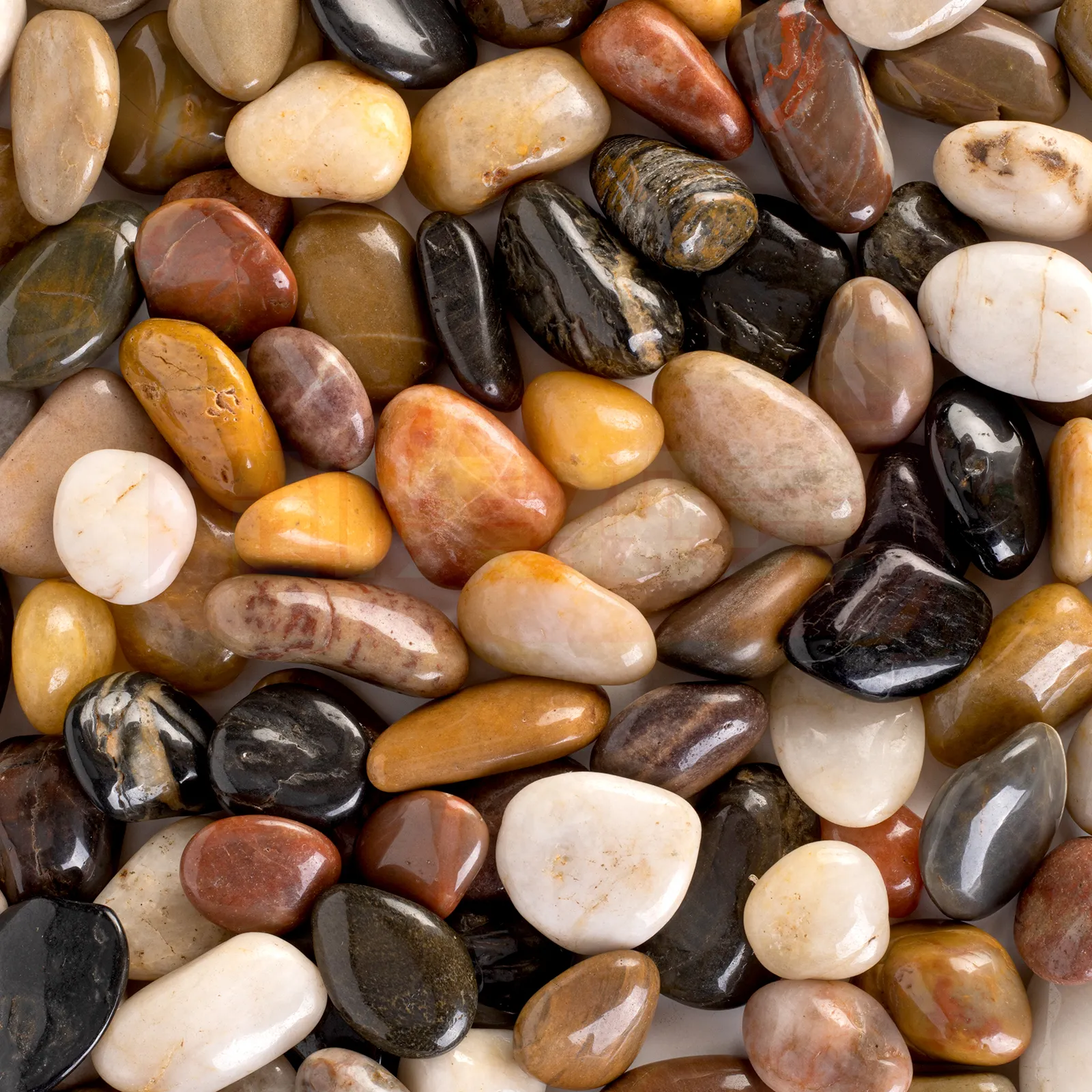
When designing a high-traffic outdoor space or a sophisticated interior lobby, the choice of surfacing material directly impacts both the aesthetic appeal and the long-term maintenance costs. Natural polished stones, particularly white pebbles and high-grade polished aggregates, offer a timeless balance of durability and elegance. For procurement managers and landscaping architects, understanding the variables that influence cobble paving prices is essential for accurate budgeting and material selection. Whether the goal is to create a serene garden oasis or a high-traffic commercial walkway, the physical properties of the stone—such as wear resistance and porosity—determine the total cost of ownership over the product's lifecycle.

Material Characteristics of Natural Polished Stone and White Pebbles
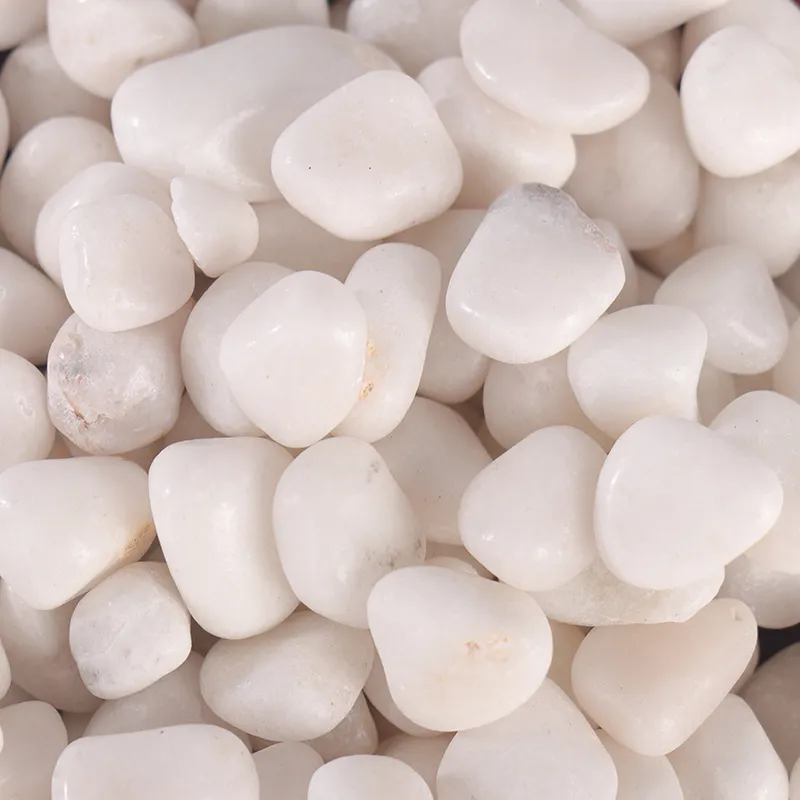
Our white pebbles are engineered from high-quality natural stone, designed to withstand the rigors of both residential and commercial environments. The primary value of these materials lies in their composition; they are naturally durable and long-lasting, ensuring that the visual impact does not diminish under environmental stress. The smooth, polished surface is not merely for aesthetics but serves a functional purpose by reducing the accumulation of debris and making the cleaning process more efficient.
From a technical perspective, these stones provide a striking visual contrast due to their pure white color and refined texture. This makes them an ideal choice for various design styles, ranging from minimalist modern patios to rustic traditional gardens. Because they are sourced from natural minerals, they maintain a level of authenticity and organic warmth that synthetic alternatives cannot replicate, while providing the structural integrity required for hardscaping projects.

Functional Applications: From Garden Oases to Luxury Interiors
The versatility of polished stone allows it to be deployed across a wide spectrum of environments. In outdoor landscaping, ordinary polished stone is frequently used for courtyards, sidewalks, and garden borders. Its inherent wear and corrosion resistance make it highly adaptable to changing weather conditions, ensuring that the paving remains stable and visually appealing without frequent replacement.
For interior applications, the distinction between ordinary and high-grade polished stone becomes critical. High-grade options are specifically utilized in luxury lobbies, corridors, and living rooms. The fine polishing process results in a bright, reflective texture that enhances the overall ambient lighting and perceived quality of the space. Beyond flooring, these premium materials are often carved into sculptures and reliefs, highlighting the artistic potential and structural versatility of natural stone.
- Outdoor Hardscaping: Creating durable paths, drainage borders, and decorative garden beds.
- Indoor Aesthetics: High-gloss flooring for high-traffic commercial entryways and residential lounges.
- Artistic Installations: Custom sculptures and architectural reliefs for corporate or public spaces.
- Horticultural Use: Serving as a decorative top-dress in pots and terrariums to maintain moisture.
Technical Considerations for Drainage and Maintenance
One of the most overlooked aspects of selecting paving stone is the impact on site drainage. Our natural white pebbles are designed with a composition that allows for proper water infiltration, which is critical for preventing soil erosion and protecting plant root systems in landscaping projects. This natural permeability reduces the risk of standing water, making them a superior choice for sustainable urban drainage systems (SuDS).
Maintenance is another key driver in the selection process. Unlike porous concrete or certain soft stones, polished natural stone is low-maintenance. The rounded shape and smooth texture not only make the surfaces comfortable for pedestrians but also ensure they are safe for pets and plants. Occasional rinsing is typically sufficient to maintain the original brilliance of the white color, significantly reducing the operational expenditure for facility managers.
Comparison of Polished Stone Grades and Application Suitability
| Stone Grade | Primary Environment | Wear Resistance | Maintenance Level |
|---|---|---|---|
| Ordinary Polished | Outdoor Courtyards | High | Low (Occasional Rinse) |
| High-Grade Polished | Luxury Lobbies | Medium-High | Medium (Regular Polishing) |
| Natural White Pebbles | Garden/Landscaping | High | Very Low |
| Carved Art Stone | Interior Decoration | Application-Dependent | Specialized Care |
| Aggregate Mix | Walkways/Paths | Very High | Low |
Strategic Procurement: Evaluating Supplier Capabilities
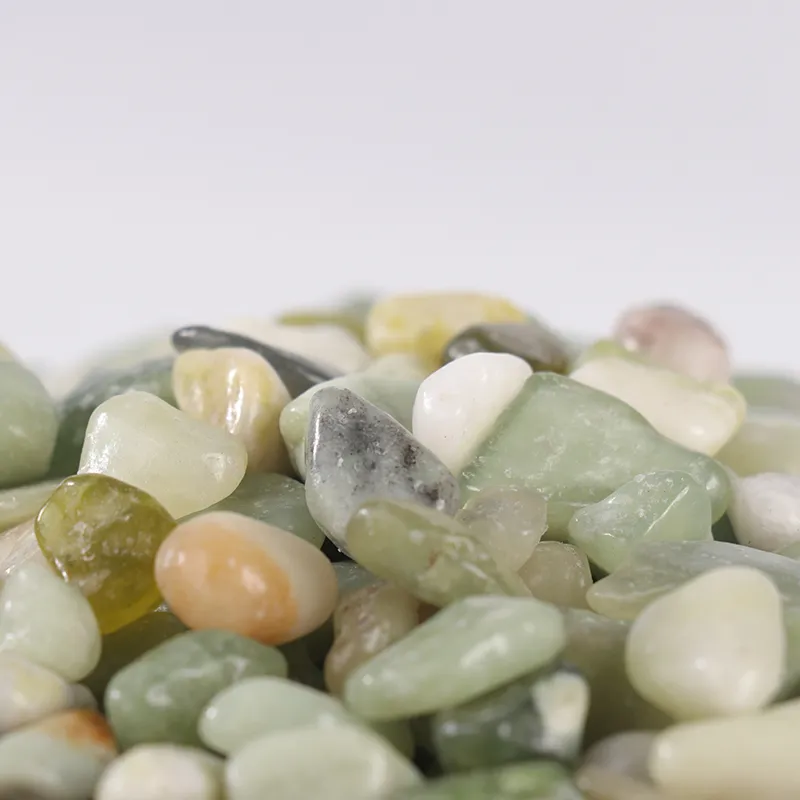
When sourcing materials for large-scale projects, buyers must look beyond the initial quote and evaluate the supplier's integrated capabilities. A reliable partner should not only provide the raw stone but also possess a deep understanding of the horticultural and industrial applications. For instance, the ability to supply complementary materials like volcanic stone, perlite, and zeolite indicates a supplier with a comprehensive grasp of soil structure and thermal insulation needs.
Quality consistency is the most significant risk in natural stone procurement. Variations in color and texture can disrupt the visual harmony of a project. Therefore, it is vital to partner with a company that adheres to strict integrity and reliability standards, ensuring that the material delivered matches the approved samples. Whether the project requires standard paving or customized carved elements, the supplier's commitment to performance standards is what ensures the longevity of the installation.
Future Trends in Sustainable Landscaping and Urban Design
The trend in modern urban design is shifting toward "green-gray" integration, where hardscaping materials are chosen for their ability to coexist with natural ecosystems. Natural white pebbles are increasingly favored in this context because they provide the necessary aesthetic sophistication while supporting the hydrological needs of the surrounding vegetation. The integration of these stones with porous substrates is becoming a standard in eco-friendly commercial developments.
Furthermore, there is a growing demand for multifunctional materials. The use of polished stones that can provide both decorative value and thermal regulation—drawing from the insulating properties seen in volcanic stones and vermiculite—is an emerging area of interest. As sustainability certifications become mandatory for new constructions, the preference for natural, long-lasting minerals over synthetic polymers will likely accelerate, driving the market toward high-quality natural stone solutions.
Frequently Asked Questions Regarding Polished Stone Paving
What factors most significantly influence the total cost of stone paving?
The total cost is typically driven by the grade of the polish (ordinary vs. high-grade), the rarity of the natural stone color, the volume of the order, and the complexity of the installation site. Logistics and the requirement for custom carving also add to the final expenditure.
Are white pebbles suitable for high-traffic commercial walkways?
Yes, provided they are installed using a proper binding agent or contained within a structured border. Their natural durability and wear resistance make them an excellent choice for commercial use, offering both beauty and longevity.
How do I maintain the bright white color of the pebbles over time?
Because they are made from high-quality natural stone, they are inherently resistant to fading. Regular rinsing with water to remove dust and organic debris is generally sufficient to keep them looking bright and clean.
Can these polished stones be used in indoor potting and terrariums?
Absolutely. Their smooth texture and rounded shape make them ideal for decorative top-dressing in indoor plants, where they help maintain moisture and provide a professional, clean finish to the display.
What is the difference between ordinary and high-grade polished stone?
Ordinary polished stone is optimized for durability and outdoor resistance, whereas high-grade polished stone undergoes a more intensive refining process to achieve a mirror-like finish suitable for luxury interior spaces.
Do these stones support proper water drainage in landscaping?
Yes, the natural gaps between the pebbles and the composition of the stone allow water to permeate through to the soil, preventing runoff and supporting the health of the underlying plant life.
Technical References and Industry Sources
- International Stone Conservation Association - Material Standards
- Landscape Institute - Sustainable Drainage Guidelines
- ASTM International - Natural Stone Testing Standards
- Geology Research - Mineral Composition of Polished Aggregates
Selecting the right stone for your project requires a balance of aesthetic vision and technical pragmatism. By focusing on material grade, drainage capabilities, and supplier reliability, you can ensure a result that is both stunning and sustainable. For professional guidance on sourcing high-quality minerals for your next project, our team of experts is available to provide tailored solutions.
Related Natural Stone Solutions