
Local Market Analysis
Sri Lanka Mineral Demand Trends
Analyzing the convergence of sustainable agriculture and modern urban landscaping in the region.
The Sri Lankan market for non-metallic mineral products is currently driven by a dual demand for agricultural optimization and high-end urban development. In the agricultural sector, there is a critical transition toward soil conditioners that can mitigate the effects of erratic monsoon patterns. For urban developers, the focus has shifted toward sustainable, long-lasting materials for outdoor spaces, where the use of processed stones for drainage and aesthetics has become a priority in Colombo and other growing urban centers.
Current market trends indicate a strong preference for lightweight aggregates and porous minerals. The shift toward organic farming and precision horticulture is increasing the demand for zeolite and perlite to optimize hydroponics and potting soils. Simultaneously, the landscaping sector is seeing a rise in the popularity of grey pebble stones and volcanic aggregates, as property owners seek a balance between modern minimalist aesthetics and functional environmental management.
Despite the growth, the market faces constraints regarding the consistency of local mineral processing. The opportunity lies in importing professionally graded minerals that meet international purity standards. As Sri Lanka continues to invest in tourism and sustainable infrastructure, the demand for durable, visually appealing minerals for hospitality resorts—ranging from volcanic stone paths to thermally insulated roofing—is expected to rise significantly over the next decade.
Industry Evolution
The Path to Mineral Precision
From raw excavation to high-performance engineered minerals.
Early Adoption
Raw Material Usage
Initial industry focus was on basic excavation of river stones and raw minerals with minimal processing for general construction.
Recent Development
Processed Mineral Grade
Introduction of grading and purity tests for vermiculite and perlite, allowing for specific horticultural and insulation applications.
Current Phase
Engineered Solutions
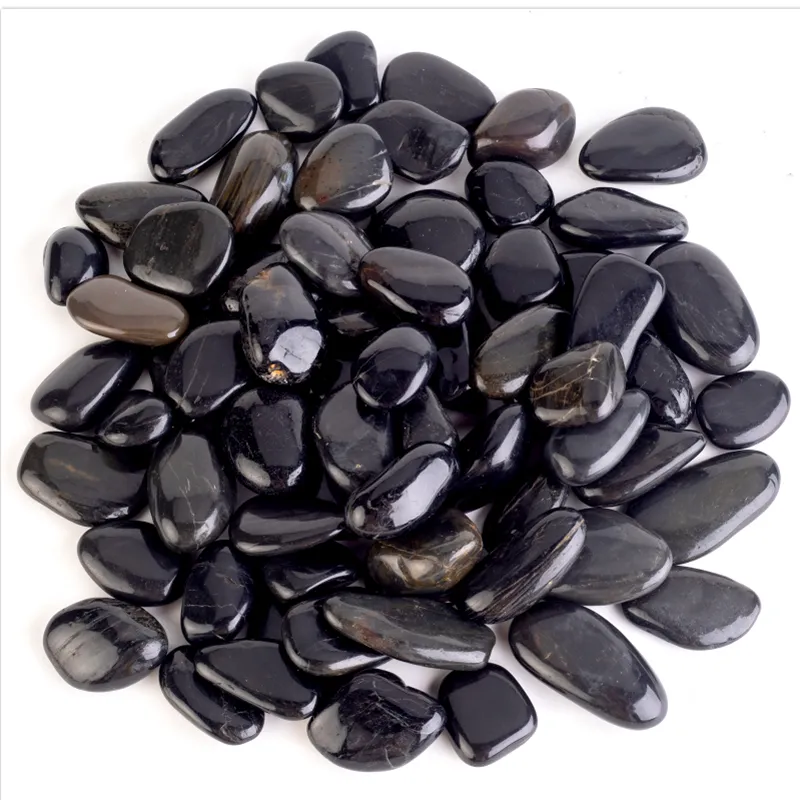
Focus on high-value applications like customized black landscape rock and precise thermal barriers.
Sustainable Substrates
The industry is moving away from peat-based soils toward mineral-based substrates. Perlite and vermiculite are now the gold standard for sustainable growth mediums that reduce environmental degradation while increasing water efficiency.
Architectural Mineral Integration
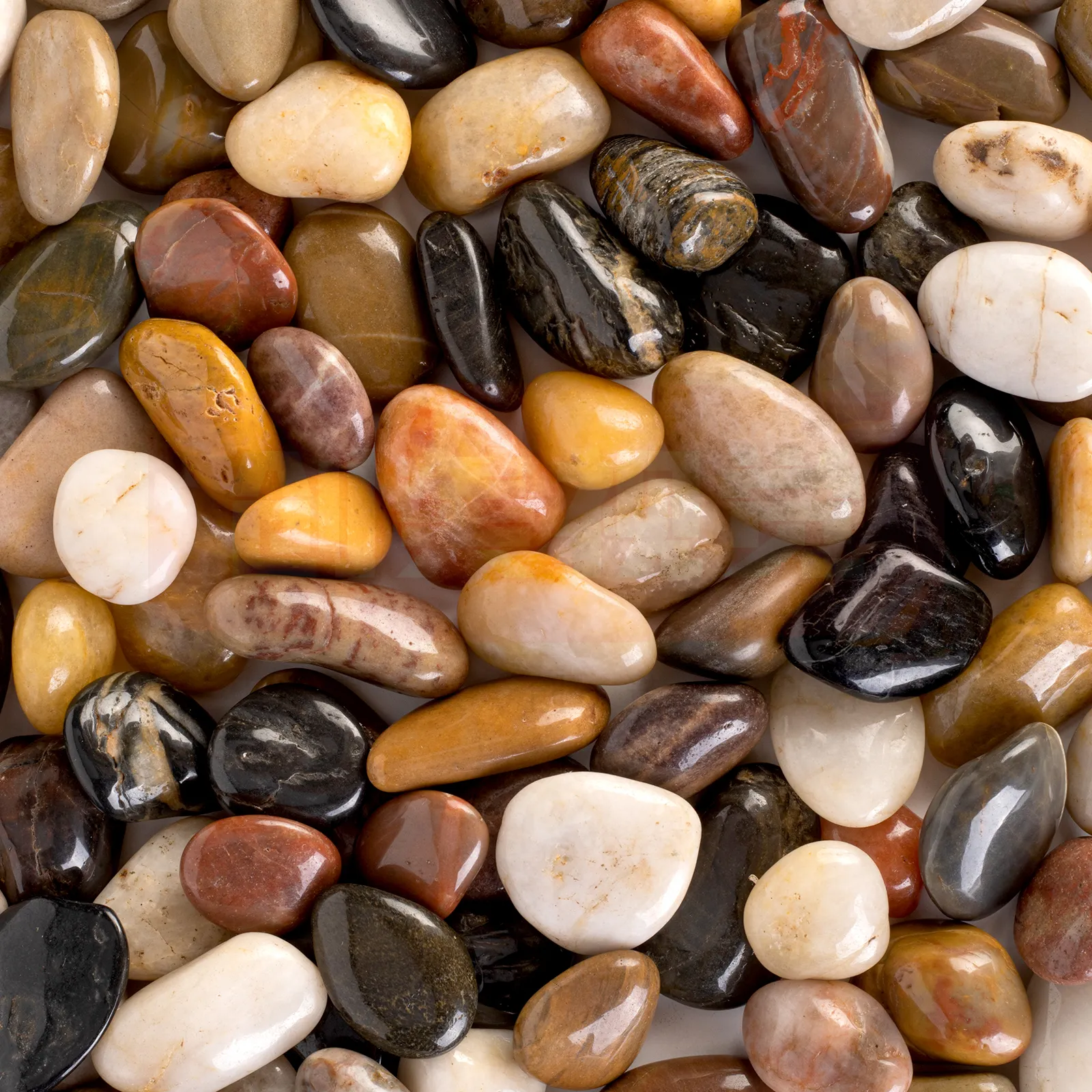
Minerals are no longer just hidden foundations. There is a trend toward using the natural textures of cobblestone stone as a visible design element in luxury urban landscapes.
Thermal Efficiency Mandates
New energy standards are driving the adoption of mineral-based insulation. The use of perlite in concrete and wall systems is increasing to lower cooling loads in tropical climates.
Future Directions
Emerging Trends in Mineral Processing
How technology and ecology are reshaping the non-metallic mineral industry.
Precision Grade Sorting
The adoption of automated sorting allows for exact particle size distribution, ensuring that materials for cobblestone patios provide uniform load distribution.
Hydroponic Optimization
Increased use of perlite and zeolite as sterile, high-oxygen substrates is revolutionizing vertical farming and urban greenhouses in tropical regions.
Low-Carbon Aggregates
The industry is shifting toward minerals that require less energy to process, focusing on the natural purity of volcanic stones to reduce the industrial footprint.
Smart Drainage Systems
Combining volcanic aggregates with geotextiles is creating new standards for urban storm-water management in flood-prone coastal areas.
The integration of mineral science into urban planning is becoming essential for climate resilience. By using porous minerals like volcanic stone and perlite, cities can create "sponge" infrastructures that absorb excess rainwater and reduce the heat island effect. This shift is not merely aesthetic but a strategic move toward environmental stability, where the choice of mineral aggregate directly impacts the longevity of public and private infrastructure.
Furthermore, the move toward specialized substrates for high-value crops is creating a niche for high-purity zeolite and vermiculite. These minerals allow for precise control over the rhizosphere, enabling growers to maximize nutrient uptake while minimizing waste. This technological evolution in mineral processing ensures that the products provided are no longer viewed as bulk commodities but as engineered tools for specific operational outcomes.
Practical Applications
Mineral Implementation in Sri Lanka
Real-world use cases showing how our minerals solve local environmental and construction challenges.
01
Colombo Urban Patio Installation
In the dense urban environment of Colombo, residential developers use cobblestone blocks to create durable outdoor living spaces. Given the high humidity and salt air, these processed stones are chosen for their resistance to weathering and their ability to provide a stable, non-slip surface that requires minimal long-term maintenance compared to poured concrete.
02
Kandy Highland Horticulture
Growers in the Kandy region utilize a blend of perlite and vermiculite in their potting mixes to manage the heavy rainfall of the highlands. By integrating these minerals, they ensure that the root zones remain aerated even during peak monsoon seasons, preventing root rot and allowing for the cultivation of sensitive ornamental plants that require precise drainage.
03
Coastal Resort Landscaping
Luxury resorts along the coast implement black landscape rock and volcanic stone for decorative pathways and drainage beds. This application solves the problem of sandy soil erosion by stabilizing the ground while providing a high-contrast, modern aesthetic that complements the natural beach environment without leaching harmful chemicals.
04
Industrial Cold Storage Insulation
Food processing facilities in Sri Lanka incorporate perlite-based insulation into their wall structures to maintain strict temperature controls. The mineral's cellular structure creates a thermal barrier that significantly reduces heat ingress, lowering the electricity demand for refrigeration systems and ensuring the stability of perishable goods in a tropical climate.
05
Commercial Greenhouse Soil Management
Commercial greenhouses use zeolite to create a nutrient-rich, slow-release environment for high-value export crops. By substituting traditional soil with a zeolite-mineral mix, operators can reduce fertilizer application frequency by trapping nutrients in the mineral lattice, which prevents runoff into local water tables and improves the overall health of the crop.
Representative Results
Typical Application Outcomes
Illustrative perspectives on how our mineral products perform in practical deployment scenarios.
The integration of volcanic stone into our drainage layers has significantly reduced surface ponding during the monsoon. The material provides a perfect balance of structural support and water permeability, which is essential for our coastal resort's infrastructure.
Switching to a vermiculite and perlite blend for our nursery substrates has improved root development across our exotic plant line. We've noticed a significant decrease in soil compaction and a more consistent moisture level throughout the growing cycle.
The durability of the cobblestone blocks for our urban patio projects is impressive. They withstand the local climate's extreme humidity and temperature shifts without cracking, providing a high-end finish that our clients value.
Our Commitment
Ling Shou County Xinnuo Mineral Products
Dedicated to purity, reliability, and the advancement of mineral processing for global industries.
Foundation
Industry Specialization
Established as a dedicated processing plant focusing on high-quality minerals for agriculture, horticulture, and thermal insulation, adhering to principles of integrity and reliability.
Growth
Product Line Expansion
Expanded capabilities to include a comprehensive range of volcanic stone, zeolite, perlite, and vermiculite, meeting the diverse needs of the insulation and landscaping industries.
Present
Quality Leadership
Currently operating as a trusted partner for industrial clients, providing best-in-class mineral products designed to meet strict performance and quality standards globally.
Expert Advice
Mineral Application FAQ
Answers to common technical and commercial questions about mineral aggregates.
What is the main difference between using volcanic stone and standard gravel for landscaping?
The primary difference lies in porosity and weight. Volcanic stone is naturally more porous, allowing for superior water drainage and aeration, which prevents soil saturation. Standard gravel is denser and lacks these internal voids, making it less effective for plant health and drainage-critical areas. In tropical climates like Sri Lanka, volcanic stone is often preferred to prevent waterlogging in gardens and patios.
How do vermiculite and perlite improve soil quality for horticultural use?
Vermiculite and perlite improve soil by altering its physical structure. Vermiculite is excellent for water and nutrient retention, making it ideal for seeds and moisture-loving plants. Perlite, on the other hand, focuses on aeration and drainage, preventing soil compaction. When used together, they create a balanced, lightweight medium that optimizes the rhizosphere, ensuring roots have access to both oxygen and consistent hydration.
Are cobblestone blocks suitable for high-traffic areas in residential patios?
Yes, professionally processed cobblestone blocks are specifically designed for high-load capacities. Their interlocking nature distributes weight evenly across the surface, which prevents the shifting or sinking common with thinner paving materials. For residential patios in Sri Lanka, we recommend a compacted mineral base layer to further enhance stability and ensure a level surface over time.
Can zeolite be used to reduce the amount of fertilizer needed in commercial farming?
Absolutely. Zeolite has a high Cation Exchange Capacity (CEC), meaning it can attract and hold onto positively charged nutrients like ammonium and potassium. Instead of these nutrients leaching away during heavy rain, zeolite stores them and releases them slowly as the plant needs them. This mechanism allows farmers to reduce the frequency of fertilization while maintaining high nutrient availability for the crops.
How does perlite function as a thermal insulation material in buildings?
Perlite acts as an insulator due to its expanded cellular structure, which traps air in millions of tiny pockets. Since air is a poor conductor of heat, perlite-integrated materials significantly slow down the transfer of heat from the outside environment into the building. This is particularly effective in tropical regions where reducing solar heat gain is critical for maintaining indoor comfort and reducing energy costs.
What is the best way to select the right mineral aggregate for a specific landscaping project?
Selection should be based on three factors: intended load, drainage requirements, and aesthetic goals. For heavy foot traffic, choose dense cobblestone blocks. For drainage-critical zones, volcanic stone or perlite is best. For high-contrast aesthetics, grey pebble stones or black rock are ideal. We recommend consulting the technical specifications of each mineral to ensure the material matches the local soil and climate conditions.
Request Technical Support
Optimize Your Projects with Professional Mineral Aggregates
Whether you are designing a luxury resort in Sri Lanka or optimizing a commercial greenhouse, the right mineral choice defines the longevity and efficiency of your work. Our team provides the technical guidance and high-purity materials needed to overcome local environmental challenges. Contact us today to discuss your project specifications and receive a tailored material recommendation.
Discuss Your Requirements