
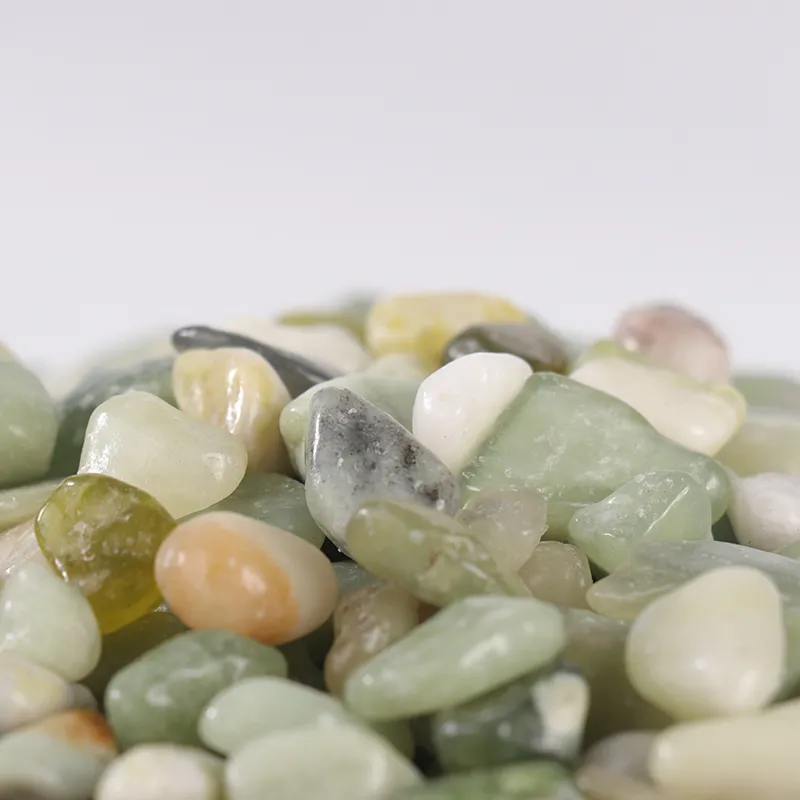
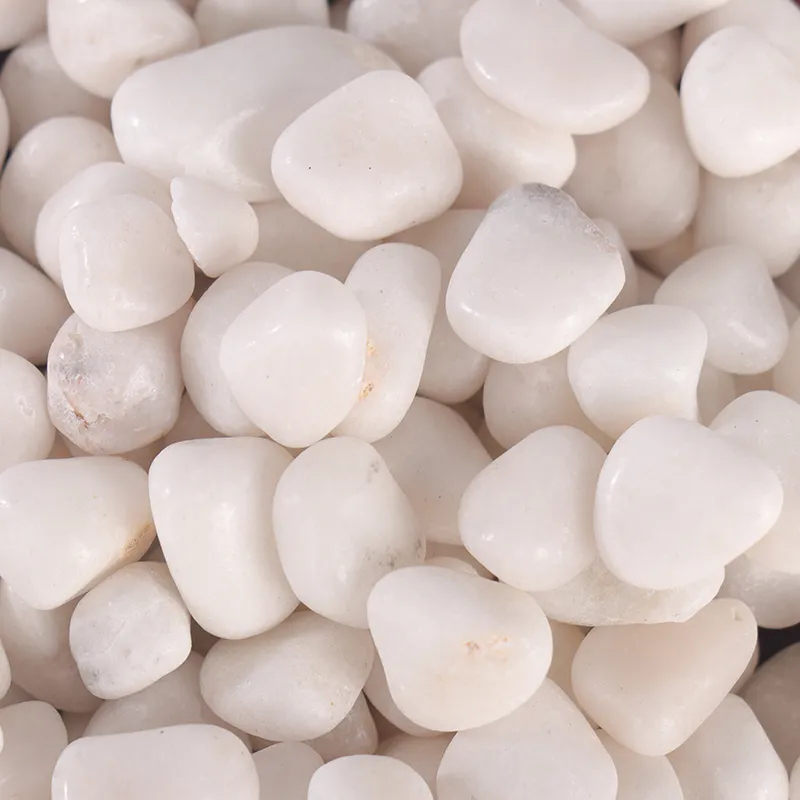
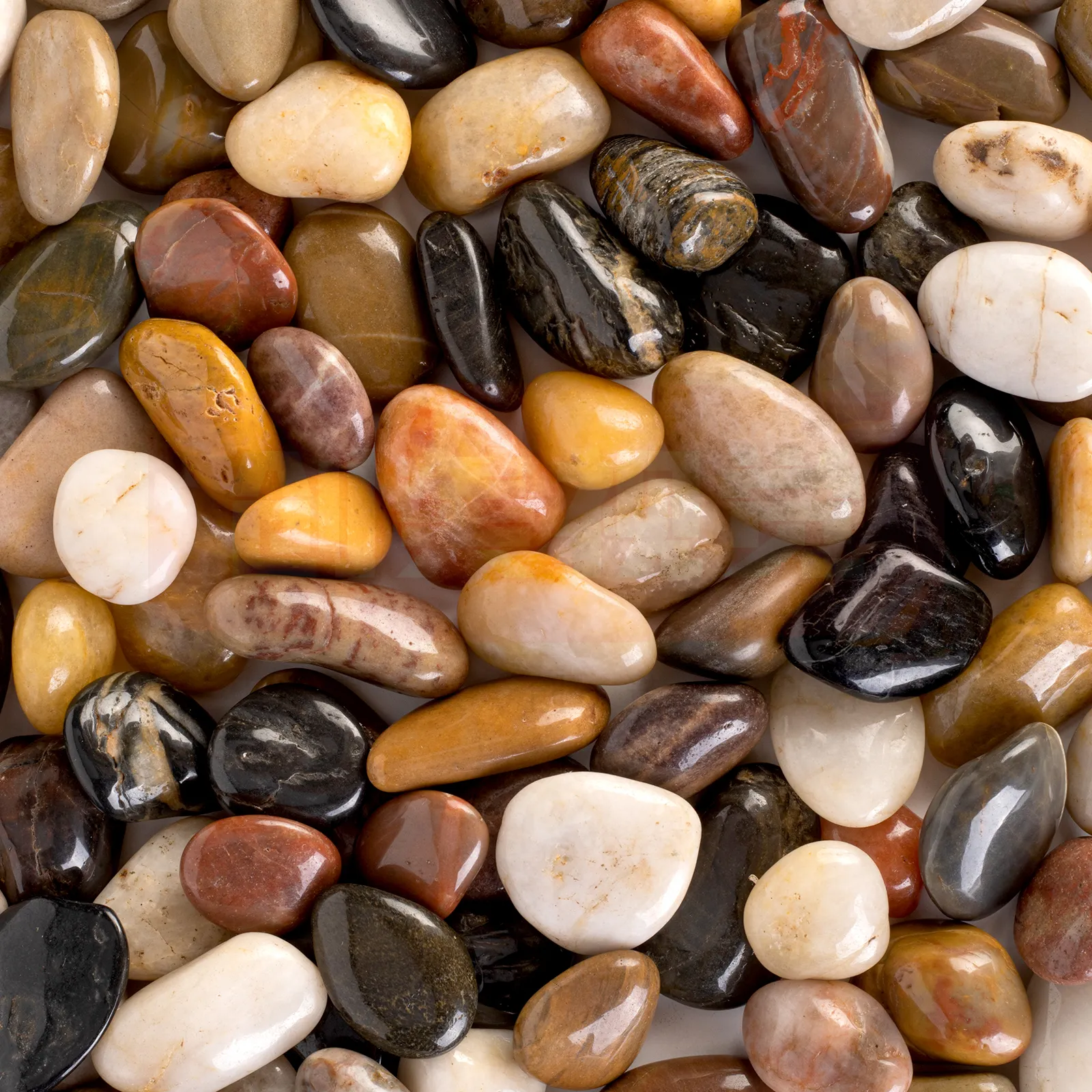
Italy's unique geographical profile and architectural heritage create a consistent demand for durable, aesthetic minerals. From the historic plazas of Rome to the modern villas of Tuscany, the use of cobblestone stone remains a cornerstone of urban planning. The regional preference for materials that can withstand intense summer heat while maintaining structural integrity makes the selection of non-metallic mineral products a critical decision for local contractors and landscape architects.
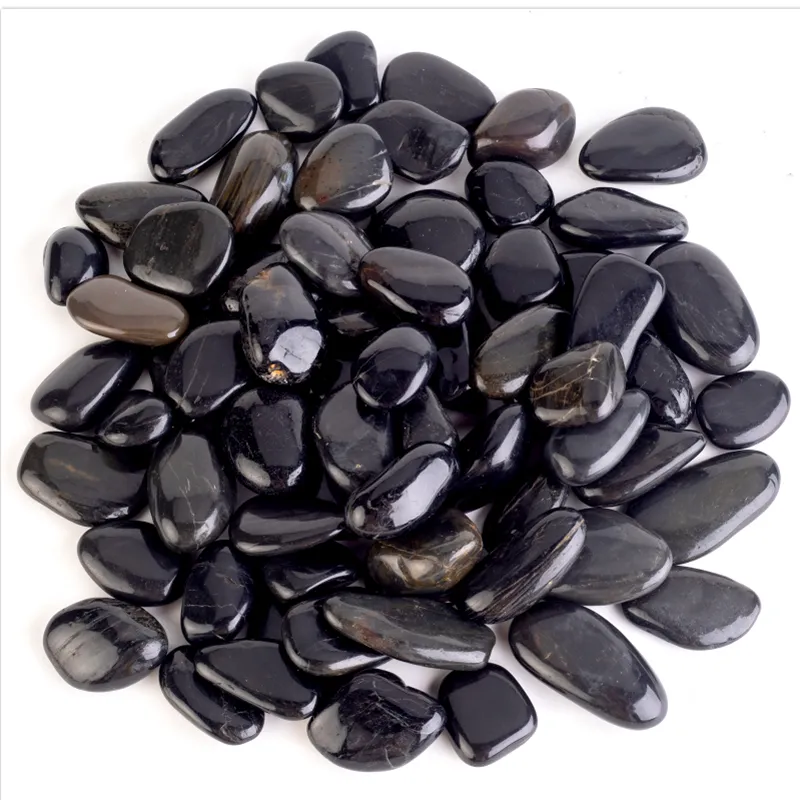
In contemporary Italian landscaping, there is a noticeable shift toward contrasting textures and colors. The integration of black landscape rock is increasingly used to create striking visual boundaries in minimalist gardens, while volcanic aggregates are preferred for their porosity and water-retention capabilities. These materials not only serve a decorative purpose but are essential for soil health in the diverse microclimates across the peninsula, promoting sustainable horticulture.
From an industrial perspective, the transition toward energy-efficient building envelopes has increased the demand for specialized insulating minerals. Perlite and vermiculite are now integral to thermal regulation projects in northern Italian industrial zones, where temperature fluctuations require high-performance fire resistance and heat insulation. This evolution reflects a broader European trend of combining traditional masonry with advanced mineral science to achieve LEED and other environmental certifications.