
Market Analysis
The Landscape of Non-Metallic Minerals in Uganda
Analyzing the intersection of agricultural demand and urban infrastructure development.
Uganda's agricultural sector is the backbone of its economy, yet it faces persistent challenges regarding soil quality and water management. In the non-metallic mineral industry, there is a growing demand for soil conditioners and lightweight aggregates. The geographical diversity of the region means that different provinces require tailored mineral solutions, ranging from high-absorbency zeolites in dryer areas to high-drainage volcanic stones in wetter highlands, to ensure sustainable farming and horticulture.
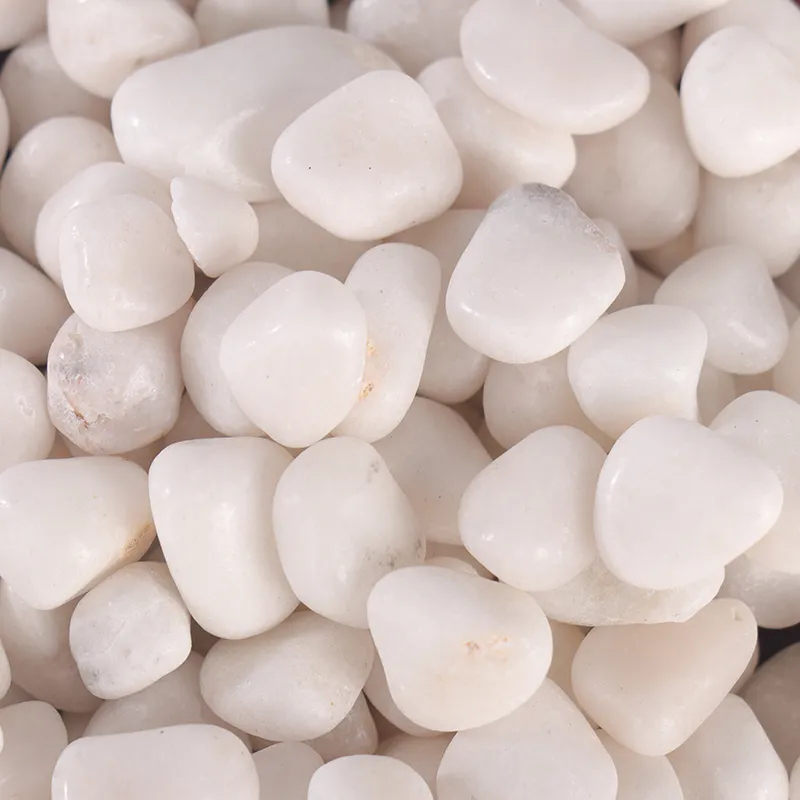
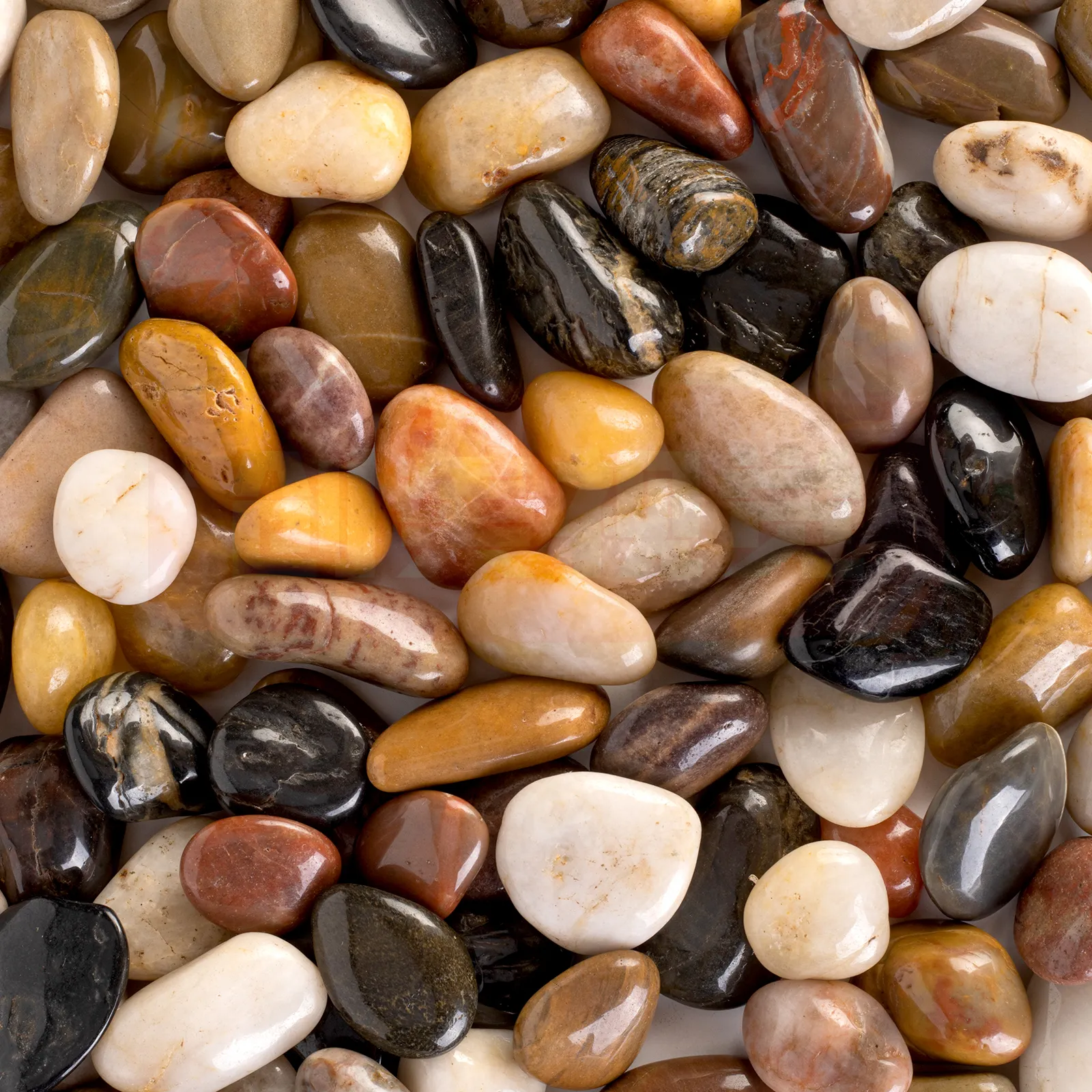
Urbanization in cities like Kampala is driving a surge in high-end landscaping and sustainable architecture. There is a noticeable shift toward the use of cobblestone patios and professional stone aggregates over traditional concrete. This trend is driven by a desire for durability and a reduction in the "urban heat island" effect, as permeable stone surfaces allow for better groundwater recharge and lower surface temperatures compared to asphalt.
The outlook for the Ugandan market remains positive, with increasing investment in thermal insulation for industrial warehouses and residential complexes. While constraints exist in the supply chain for specialized processed minerals, the opportunity lies in importing high-purity vermiculite and perlite. As the region moves toward greener building certifications, the demand for mineral-based insulation and sustainable paving materials is expected to grow steadily.
Industry Journey
Evolution of Mineral Application in Landscaping
From basic soil additives to engineered architectural solutions.
Early Adoption
Basic Soil Amendments
Initially, minerals were used primarily as raw soil additives. Farmers relied on basic organic matter, and the concept of engineered mineral mixes for water retention was limited.
Recent Development
Structural Integration
The focus shifted toward structural stability. The use of processed stone and specialized aggregates became common in urban paving and industrial insulation projects.
Current Phase
Eco-Engineered Solutions
Today, the industry emphasizes sustainability. Products are designed to maximize nutrient cycles and minimize environmental runoff through permeable paving and high-efficiency insulators.
Precision Agriculture
The shift toward precision farming has increased the demand for minerals like zeolite and vermiculite that can be applied in targeted quantities to optimize soil chemistry without wasteful over-application.
Permeable Urbanism
Urban planners are prioritizing surfaces that mitigate flooding. This has led to a resurgence in the use of traditional cobblestone blocks designed with modern gaps for water infiltration.
Green Building Standards
The adoption of international green building codes is pushing the construction industry toward perlite and volcanic stone for lightweight, energy-efficient wall and roof insulation.
Future Outlook
Emerging Trends in Non-Metallic Mineral Processing
How technological advancements are reshaping material application.
Sustainable Mineral Sourcing
Increasing emphasis on the traceability of minerals. Markets are shifting toward suppliers who can prove ethical extraction and low-carbon processing of volcanic and perlite stones.
Hybrid Substrate Engineering
Combining zeolite and vermiculite into pre-mixed "smart substrates" that automatically regulate pH and moisture, reducing the need for manual chemical adjustments in horticulture.
Permeable Paving Innovation
Development of interlocking cobblestone blocks with integrated filtration layers, allowing water to be purified as it seeps into the ground.
Advanced Thermal Buffering
Using perlite-infused concrete to create "thermal mass" walls that absorb heat during the day and release it slowly at night, optimizing energy use in tropical zones.
The overarching trend is the transition from viewing minerals as simple raw materials to treating them as functional components of a larger system. In Uganda, this means shifting from "adding stone" to "engineering a surface." The integration of AI in mineral sorting and processing is allowing for more precise grade control, ensuring that grey pebble stones and other decorative aggregates have perfectly consistent colors and sizes for luxury projects.
Furthermore, the synergy between agricultural minerals and construction materials is becoming evident. For instance, the use of volcanic stone both as a drainage layer in cobblestone patios and as a soil conditioner in the surrounding gardens creates a holistic, sustainable landscape. This integrated approach reduces material waste and ensures that the entire property works in harmony with the local hydrological cycle.
Practical Applications
Applying Mineral Solutions Across Uganda
Real-world deployment patterns for different regional needs.
01
Residential Villa Patios in Kampala
In upscale residential areas of the capital, homeowners are replacing concrete slabs with cobblestone patios. The local challenge is the intense rainy season which causes pooling. By using a volcanic stone base layer under the cobblestones, water drains rapidly into the earth, preventing flooding and keeping the patio surface clean and dry.
02
Commercial Greenhouse Horticulture
Professional growers in the Lake Victoria basin often struggle with soil compaction. They implement a substrate mix containing vermiculite and perlite. This creates a lightweight, highly aerated growing medium that prevents root rot and increases the efficiency of nutrient-rich water irrigation, resulting in faster crop turnover and higher quality produce.
03
Industrial Warehouse Insulation
Logistics hubs in industrial zones require temperature-stable environments for stored goods. By incorporating perlite into the wall rendering and ceiling slabs, these facilities create a thermal buffer. This reduces the reliance on energy-intensive cooling systems during peak heat hours, significantly lowering operational overheads.
04
Public Park Walkways and Drainage
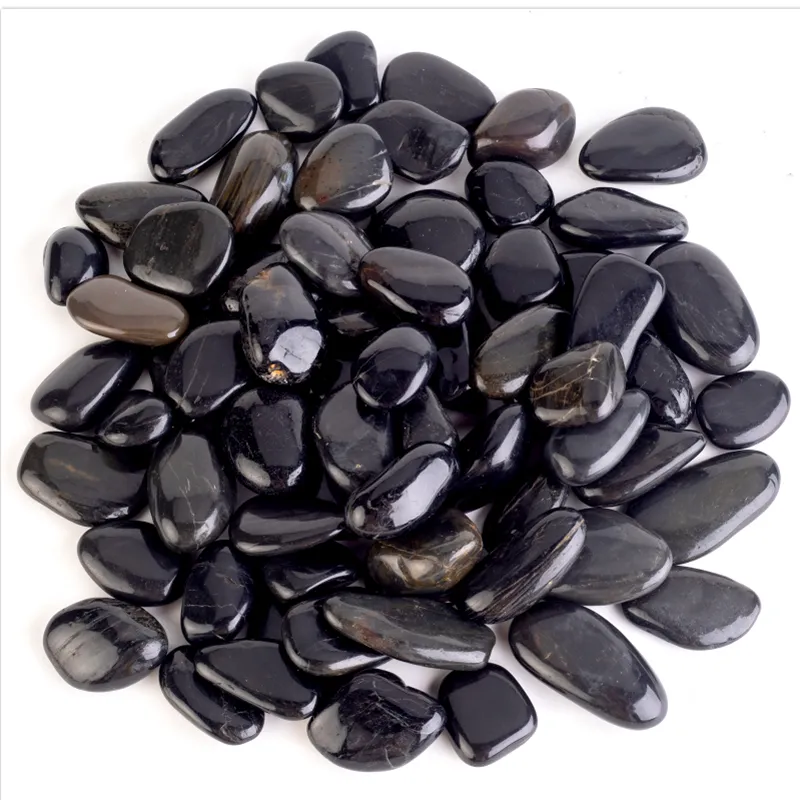
Municipal parks often face erosion on pedestrian paths. The solution involves installing cobblestone blocks edged with black landscape rock. The rock serves as a natural border that slows runoff and filters debris, while the cobblestones provide a durable walking surface that does not turn into mud during the rains.
05
Urban Rooftop Gardens
To reduce building weight while maintaining lush greenery, rooftop gardens use volcanic stone and perlite as lightweight aggregates. These materials provide the necessary structural support and drainage without overloading the building's load-bearing capacity, allowing for sustainable urban greening in densely populated areas.
Representative Use Cases
Operational Perspectives on Mineral Integration
Illustrative outcomes based on typical industry application patterns.
Integrating high-purity vermiculite into our soil mixtures has fundamentally changed our seedling success rate. The improved aeration and moisture stability mean we spend less time on manual watering and see far fewer losses due to soil compaction during the wet season.
Switching to professional cobblestone paving and volcanic aggregates for our outdoor spaces has solved our persistent drainage issues. The surfaces remain stable and visually striking, effectively managing heavy rainfall without the erosion typical of standard concrete paths.
The use of perlite as a thermal insulator in our warehouse construction has led to a noticeable decrease in internal temperature fluctuations. It provides a lightweight solution that doesn't compromise structural integrity while significantly cutting energy costs for climate control.
Our Legacy
Lingshou Xinnuo Mineral Products Processing Factory
Dedicated to excellence in mineral processing for global agricultural and industrial needs.
Core Foundation
Commitment to Quality
Established with a focus on providing high-quality minerals for agriculture, horticulture, and thermal insulation. The company built its reputation on the principles of integrity, reliability, and relentless pursuit of quality.
Product Expansion
Diversifying Mineral Range
Expanded the product portfolio to include a comprehensive range of vermiculite, perlite, zeolite, and volcanic stone, ensuring that diverse industry requirements from soil health to energy saving were met.
Strategic Evolution
Global Partnership Focus
Evolved into a trusted partner for international clients, focusing on mutually beneficial solutions and best-in-class service to meet the rigorous standards of the global agricultural and insulation industries.
Expert Guidance
Frequently Asked Questions About Mineral Aggregates
Clear answers to help you select the right materials for your project.
What is the primary difference between vermiculite and perlite for soil aeration?
Vermiculite has a higher water-holding capacity and better nutrient retention due to its chemical structure, making it ideal for seed starting and moisture-loving plants. Perlite, conversely, is more porous and provides superior aeration and drainage, which is critical for preventing root rot in succulents or cuttings. In practical application, a blend of both is often used to balance aeration and hydration based on the specific plant needs.
How do cobblestone blocks improve drainage compared to poured concrete?
Poured concrete creates an impermeable barrier that forces water to run off the surface, often leading to flooding or erosion at the edges. Cobblestone blocks, when installed with a proper sand or volcanic aggregate joint, allow water to seep through the gaps and infiltrate the ground. This natural filtration process reduces surface runoff and helps recharge local groundwater, making it a more sustainable choice for urban patios and walkways.
Can volcanic stone be used for both landscaping and agricultural purposes?
Yes, volcanic stone is highly versatile. In landscaping, it is used as a durable, lightweight aggregate for paths and decorative mulch. In agriculture, its porous structure makes it an excellent medium for hydroponics or as a soil amendment to improve drainage and aeration. The ability of volcanic stone to retain some moisture while allowing air to flow makes it a dual-purpose material that supports both aesthetic and biological goals.
What are the technical considerations when using perlite for thermal insulation?
The main consideration is the particle size and the mixing ratio with binders like cement or plaster. Perlite's effectiveness comes from the trapped air within its expanded cells, which inhibits heat transfer. To achieve optimal R-values, it must be evenly distributed to avoid "cold bridges." Additionally, because it is lightweight, it reduces the dead load on the building structure, allowing for thicker insulation layers without requiring additional structural reinforcement.
Which stone is better for high-traffic outdoor areas: grey pebble stones or black landscape rock?
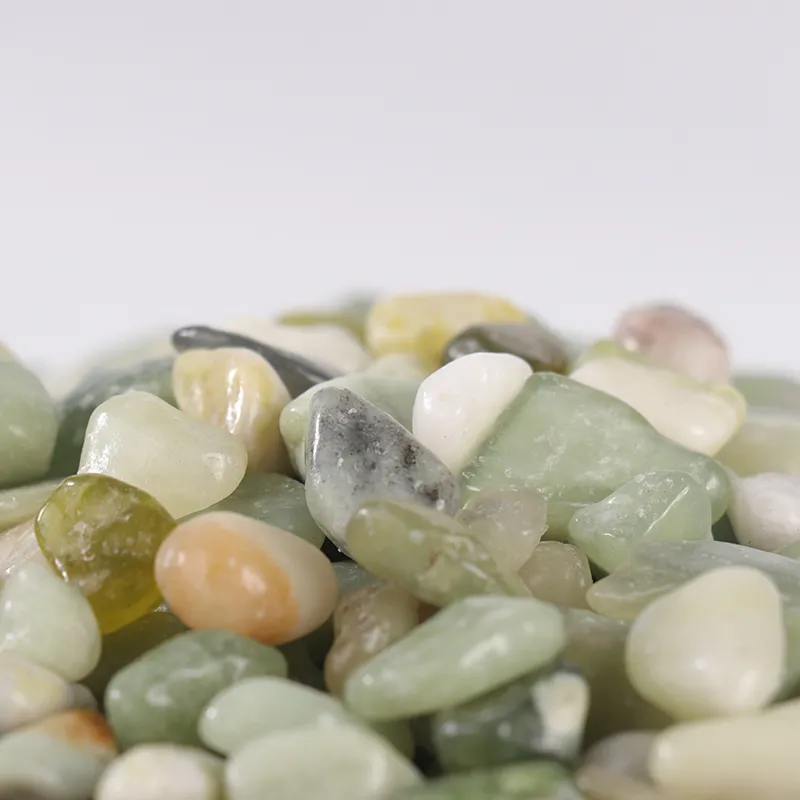
Both are durable, but the choice depends on the intended use and aesthetic. Grey pebble stones are often preferred for decorative borders and low-traffic Zen gardens due to their smooth texture. Black landscape rock is typically denser and more visually striking, making it excellent for high-contrast borders and areas where a more modern, architectural look is desired. For actual walking surfaces, both should be used as accents alongside a stable base like cobblestones.
How do I determine the correct amount of zeolite to add to my soil?
The amount depends on your soil type and crop needs. For sandy soils with poor nutrient retention, a higher ratio of zeolite (typically 5-10% of the total volume) can help hold onto ammonia and potassium. For heavier clay soils, a smaller amount is used primarily to improve structure. It is recommended to start with a small trial area and monitor the moisture levels and plant growth before applying zeolite to a full-scale agricultural plot.
Get Professional Consultation
Ready to Optimize Your Landscaping and Agriculture in Uganda?
Whether you are designing durable cobblestone patios for an urban project or improving crop yields through advanced mineral amendments, Lingshou Xinnuo provides the technical expertise and high-quality materials you need. Our team helps you select the precise grade of vermiculite, zeolite, or stone to match your local environmental conditions and structural requirements.
Discuss Your Requirements