
Market Insights
Mineral Product Landscape in Greece
Analyzing the demand for specialized aggregates and soil conditioners in the Hellenic market.
The Greek mineral market is heavily influenced by the region's unique geography and climate. With a strong tradition in agriculture and horticulture, there is a consistent demand for soil additives that can withstand high temperatures and manage scarce water resources. In urban centers and tourist hubs, the architectural focus has shifted toward high-end outdoor living spaces, increasing the need for durable, aesthetically pleasing mineral products like premium cobblestones and decorative landscape rocks that can endure salt-heavy air and intense UV exposure.
Current trends show a pivot toward sustainable "green" construction and precision farming. There is an increasing adoption of perlite and vermiculite not only in hydroponics but as integral components in energy-efficient building envelopes to reduce reliance on air conditioning. Furthermore, landscaping preferences are moving toward natural, permeable surfaces. This shift is driving the commercial investigation into volcanic stone and zeolite, as these materials allow for better groundwater recharge compared to traditional concrete paving, aligning with EU environmental directives.
The primary opportunity for mineral suppliers in Greece lies in the intersection of luxury tourism infrastructure and ecological preservation. While traditional stone quarrying is common, there is a gap in the supply of processed, high-purity mineral aggregates that offer specific technical benefits, such as thermal insulation or advanced water retention. The main constraint remains the logistics of importing specialized minerals, creating a significant advantage for partners who can provide reliable, high-standard products that meet both structural and agricultural specifications.
Industry Evolution
The Shift in Mineral Application Technology
From basic raw material extraction to high-precision mineral engineering.
Early Stage
Raw Material Use
Initially, landscaping relied on locally sourced raw stones with little processing. Soil management was basic, focusing on organic compost without the integration of specialized minerals for aeration or hydration.
Growth Phase
Technical Integration
Introduction of processed minerals like perlite and vermiculite began to transform horticulture. Paving shifted toward structured blocks, requiring more stable sub-base aggregates to prevent sinking.
Modern Era
Precision Engineering
Current focus is on purity and specific functional attributes. Minerals are now engineered for specific roles, such as thermal regulation in buildings or precise moisture control in professional agriculture.
Permeable Infrastructure
Urban planning is moving away from impermeable concrete. The integration of porous mineral bases under paving allows rainwater to seep into the ground, reducing flash floods and supporting urban greenery.
Hydro-Mineral Synergy
Combining zeolite with advanced irrigation systems allows for "smart" watering. Minerals hold the water, and sensors trigger the release, maximizing yield while minimizing resource consumption.
Eco-Insulation Standards
The shift toward mineral-based insulation over synthetic foams is driven by fire safety and environmental health, making perlite-based solutions highly desirable for new constructions.
Future Outlook
Emerging Trends in Mineral Processing
How technology and sustainability are redefining the use of non-metallic minerals.
Circular Mineral Economy
Increasing focus on the longevity and recyclability of landscaping minerals. Materials that can be repurposed after decades of use are becoming the priority for Greek contractors.
Thermal-Regulated Paving
Development of mineral composites that actively reflect UV radiation, reducing the "urban heat island" effect in densely populated Greek coastal cities.
Precision Substrate Blending
Moving from generic soil to custom-blended mineral substrates. By mixing zeolite, perlite, and volcanic stone in specific ratios, growers can optimize for specific plant species.
Low-Carbon Mineral Logistics
Optimizing the supply chain for heavy minerals to reduce the carbon footprint of transport, emphasizing high-density, high-purity products to reduce total shipment volume.
The integration of these trends signifies a shift toward "Functional Landscaping," where the materials chosen for a patio or a garden are not merely decorative but serve as active components of an environmental management system. For instance, the use of volcanic stone is no longer just about the visual appeal of a Mediterranean garden; it is about creating a breathable soil structure that allows the garden to survive periods of extreme drought without excessive artificial intervention.
Furthermore, the regulatory environment in Europe is pushing for more sustainable building materials. Mineral-based solutions, being naturally derived and often inert, provide a safer alternative to synthetic polymers and chemical insulation. This transition is accelerating the demand for high-purity perlite and vermiculite, as architects seek materials that contribute to LEED or BREEAM certifications for sustainable construction in Greece's growing hospitality sector.
Application Scenarios
Practical Implementation in the Greek Environment
Real-world applications of specialized minerals across different regional needs.
01
Luxury Villa Patios in Santorini
In the volcanic terrain of Santorini, luxury resorts require cobblestone patios that blend with the natural landscape. By using a base of crushed volcanic stone and stabilizing with precision-cut cobblestone blocks, developers ensure a stable, permeable surface that manages drainage during winter rains while remaining cool during scorching summers.
02
Commercial Olive Groves in Crete
Agricultural operators in Crete face challenges with water scarcity. By integrating zeolite and vermiculite into the root zones of olive trees, they create a mineral reservoir that captures irrigation water and nutrients, preventing leaching into the sandy soil and significantly reducing water consumption per hectare.
03
Urban Roof Gardens in Athens
In the dense urban environment of Athens, weight is a critical factor for rooftop installations. Using expanded perlite as a lightweight growth medium instead of traditional soil reduces the structural load on buildings while providing the necessary aeration and thermal insulation for urban flora.
04
Coastal Walkways in the Peloponnese
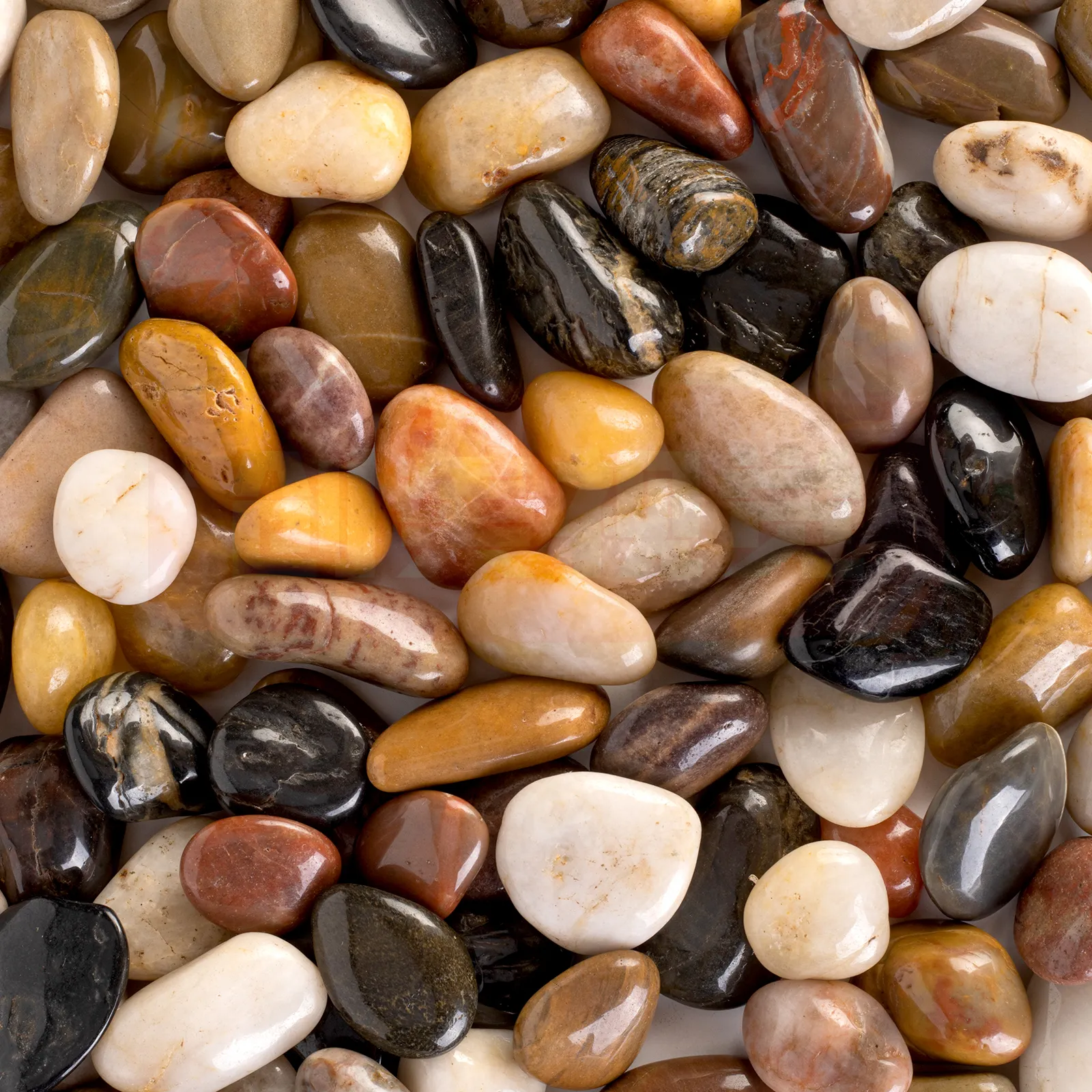
Coastal infrastructure is prone to erosion and salt damage. The application of grey pebble stones over a compacted mineral base creates a durable, salt-resistant walking surface that allows water to filter back into the coast, preventing surface runoff and soil erosion.
05
Boutique Hotel Landscaping in Mykonos
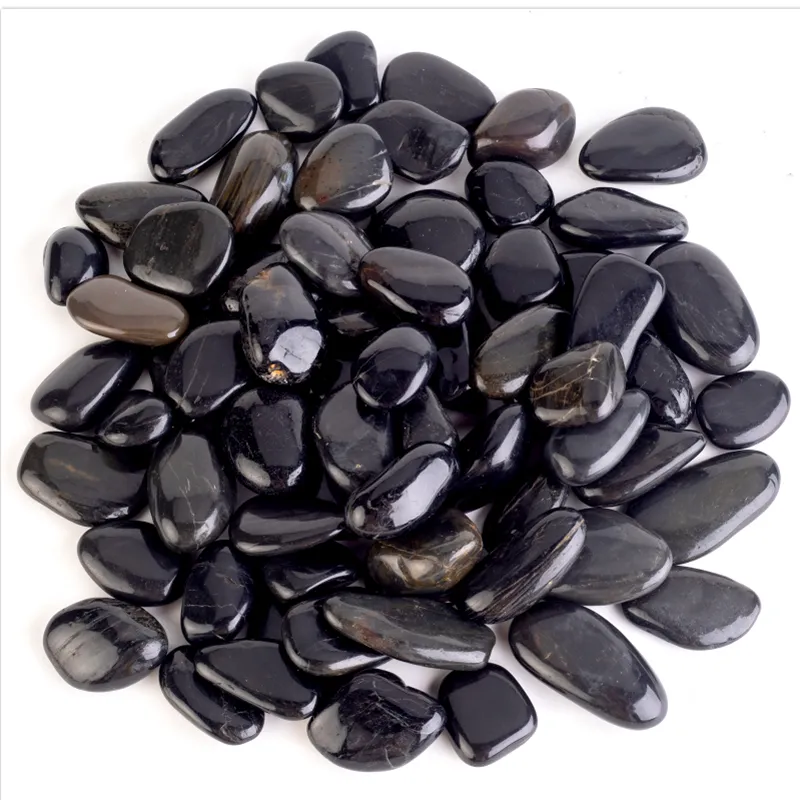
To achieve a minimalist, modern aesthetic, designers use black landscape rock as a high-contrast mulch. This not only provides a striking visual element but also suppresses weeds and keeps the soil beneath moist, reducing the maintenance labor required for luxury hotel grounds.
Implementation Perspectives
Representative Deployment Contexts
Illustrating how different operators utilize our mineral products to achieve specific goals.
In large-scale horticultural projects, the primary challenge is maintaining consistent soil moisture. The use of a zeolite-vermiculite blend has allowed for a more stable hydration cycle, reducing the reliance on daily irrigation and improving the overall resilience of the plants against heatwaves.
For high-traffic outdoor patios, structural stability is non-negotiable. Utilizing a volcanic stone base ensures that the paving blocks do not shift over time, while the permeability of the mineral layer prevents the pooling of water during sudden autumn storms.
Transitioning to mineral-based insulation like perlite has provided a significant advantage in terms of fire safety and thermal efficiency. It allows for better temperature regulation in semi-outdoor spaces, reducing the cooling load during the summer.
Our Heritage
About Ling Shou County Xin Nuo
Committed to the highest standards of mineral processing and customer satisfaction.
Foundational Phase
Industry Commitment
Our company established its core mission to provide high-quality mineral products for agriculture, horticulture, and thermal insulation, focusing on the essential roles of vermiculite, perlite, and zeolite.
Expansion Phase
Product Diversification
We expanded our portfolio to include specialized volcanic stone and decorative minerals, enabling us to serve the landscaping and lightweight concrete industries with high-performance aggregates.
Current Phase
Quality Excellence
Today, we operate on the principles of integrity and reliability, constantly striving to provide mutually beneficial solutions that meet the diverse needs of our global agricultural and construction partners.
Common Questions
Mineral Application FAQ
Detailed answers to technical and operational questions regarding our mineral products.
What is the primary advantage of using volcanic stone for patio bases in Greece?
The primary advantage is its superior porosity and structural stability. Volcanic stone allows for excellent drainage, preventing water accumulation that often causes paving blocks to shift or crack during seasonal changes. Additionally, its natural thermal properties help in reducing the heat absorbed by the surface, making it an ideal base for outdoor living areas in Mediterranean climates.
How does the combination of zeolite and vermiculite improve agricultural yield?
This combination addresses two critical needs: aeration and nutrient retention. Vermiculite creates a loose, airy soil structure that promotes root respiration, while zeolite acts as a nutrient sponge, holding onto water and minerals and releasing them slowly to the plant. This synergy reduces fertilizer leaching and optimizes water use, leading to healthier crops and higher yields in nutrient-poor soils.
Can perlite be used for both thermal insulation and as a growing medium?
Yes, perlite is highly versatile due to its expanded cellular structure. In construction, it is used as a lightweight aggregate for insulating concrete or as a fill material to reduce heat transfer through walls. In horticulture, the same properties allow it to provide excellent aeration and drainage in potting mixes. The choice depends on the grade of expansion and the specific application required.
What is the typical installation process for cobblestone blocks using mineral aggregates?
The process begins with excavating the area and laying a compacted base of coarse mineral aggregate or volcanic stone for drainage. A thinner leveling layer of grey pebble stones or sand is then applied. The cobblestone blocks are laid upon this bed and compacted. Finally, the joints are filled with fine mineral grit to lock the blocks in place and ensure a permeable, stable surface.
How do I choose between black landscape rock and grey pebble stones for my project?
The choice depends on the desired aesthetic and functional goal. Black landscape rock is excellent for high-contrast modern designs and is highly effective as a mulch to suppress weeds and retain soil moisture. Grey pebble stones are generally preferred for a more natural, traditional look and are often used for walkways or drainage borders due to their neutral tone and durability.
What considerations should be made when importing these minerals to Greece?
The primary considerations are purity, grain size distribution, and transport efficiency. Ensuring that the minerals meet specific technical grades (e.g., for thermal insulation or agricultural use) is crucial. Working with a supplier who provides standardized processing helps in maintaining consistent results across large projects and ensures compliance with local building and environmental regulations.
Get Expert Guidance
Ready to Optimize Your Greek Landscaping or Agricultural Project?
Whether you are designing a durable patio in Santorini or optimizing crop yields in Crete, our high-purity mineral solutions provide the technical foundation you need. Discuss your specific requirements with our experts to find the perfect balance of volcanic stone, perlite, or zeolite for your unique environment in Greece.
Discuss Your Requirements