
Sep . 14, 2025 07:40 Back to list
Natural Brown Pebbles for Landscaping - Durable & Stylish
Introduction to Advanced Landscaping Aggregates & Industry Trends
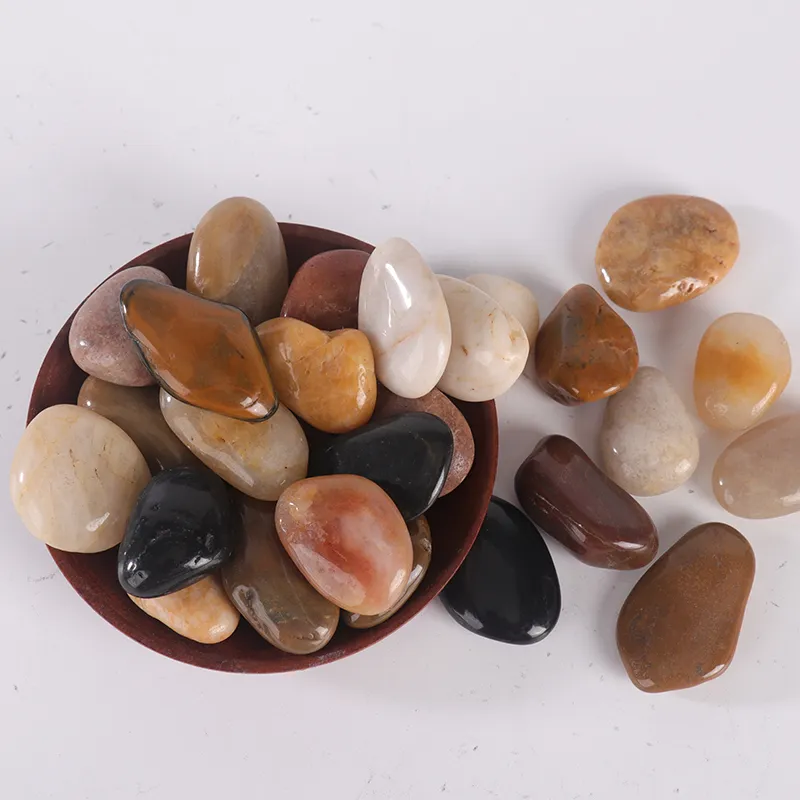
In contemporary commercial and industrial landscape architecture, the selection of appropriate aggregate materials is critical for both aesthetic appeal and functional performance. Among the myriad options, brown pebbles for landscaping have emerged as a preferred solution, offering a compelling blend of natural elegance, robust durability, and low maintenance. These specialized aggregates are increasingly specified for high-profile corporate campuses, public infrastructure projects, and industrial facility aesthetics, driven by a growing emphasis on sustainable design and resilient outdoor spaces.
Current industry trends highlight a significant shift towards environmentally conscious landscaping practices. This includes xeriscaping, permeable paving systems, and the reduction of potable water use for irrigation. Brown pebbles, often sourced from natural deposits and processed minimally, align perfectly with these objectives. Their inherent properties contribute to enhanced drainage, reduced soil erosion, and the creation of visually appealing, long-lasting landscapes that require minimal intervention over their extensive service life. The market for high-quality landscaping aggregates, including various colored pebbles, is projected to grow steadily, fueled by urban development, infrastructure upgrades, and the increasing demand for eco-friendly building materials.
The demand is not merely aesthetic; it's deeply rooted in performance. Engineers and landscape architects require materials that can withstand diverse climatic conditions, heavy foot traffic, and industrial environments without significant degradation. This technical necessity positions brown pebbles as a top-tier material choice, offering a natural yet highly engineered solution for complex B2B landscaping challenges.

Technical Specifications & Material Science of Landscaping Pebbles
The performance of brown pebbles for landscaping is directly attributable to their geological origin and physical characteristics. Typically composed of durable igneous, metamorphic, or sedimentary rock types such as granite, basalt, quartz, or river stone, these pebbles exhibit superior resistance to weathering and abrasion. The inherent mineral composition dictates their color, hardness, and specific gravity, all critical parameters for B2B applications.
Key technical parameters include:
- Mohs Hardness: Ranging typically from 6 to 7, indicating high scratch resistance.
- Density: Averaging 1600-1800 kg/m³ (bulk density) and 2600-2800 kg/m³ (specific gravity), ensuring stability and preventing displacement.
- Water Absorption: Low (typically less than 1%), which minimizes freeze-thaw degradation and maintains structural integrity.
- Abrasion Resistance: Critical for high-traffic areas, these pebbles demonstrate excellent resistance to wear, as measured by standard tests like the Los Angeles Abrasion Test (typically less than 25% loss).
- Chemical Inertness: Resistance to common pollutants and chemicals, crucial for industrial environments.
The precise grading and sizing of these aggregates are paramount. Standard sizes range from 10mm to 50mm, with custom specifications available to meet project-specific granulometry requirements. Uniformity in size and shape is achieved through rigorous screening and tumbling processes, which are detailed further in the manufacturing section. This ensures consistent coverage, drainage performance, and aesthetic uniformity across large-scale installations.
Typical Specifications for Premium Landscaping Pebbles
| Parameter | Typical Value Range | Test Standard |
|---|---|---|
| Material Composition | Natural Silicates (Granite, Quartz, Basalt) | ASTM C295 |
| Mohs Hardness | 6.0 - 7.0 | EN 1338:2003 (Modified) |
| Bulk Density (Loose) | 1600 - 1800 kg/m³ | ASTM C29 / C29M |
| Specific Gravity | 2.60 - 2.80 | ASTM C127 |
| Water Absorption | < 1.0% | ASTM C127 |
| Abrasion Resistance (LA Abrasion) | < 25% loss | ASTM C131 |
| Particle Size Range | 10mm - 50mm (customizable) | ASTM C136 |
| Shape Index | Flakiness & Elongation < 15% | EN 933-3 |
Manufacturing Process Flow of Landscaping Pebbles
The production of high-quality brown pebbles for landscaping involves a series of carefully controlled processes to ensure consistent product attributes and adherence to engineering specifications. While the raw material is natural stone, the manufacturing refines it into a premium landscaping aggregate.
Process Steps:
- Quarrying & Sourcing: High-grade natural rock formations (e.g., riverbeds, specific quarries) are identified and excavated. The material's geological properties, including color consistency, mineral content, and inherent durability, are assessed at this initial stage.
- Primary Crushing: Large boulders extracted from the quarry are fed into primary crushers (e.g., jaw crushers) to reduce their size to manageable dimensions for subsequent processing.
- Secondary & Tertiary Crushing (if needed): Further crushing stages (e.g., cone crushers, impact crushers) refine the material to a target granular size, approaching the desired pebble dimensions.
- Screening & Sizing: The crushed material passes through multiple vibrating screens with progressively finer mesh sizes. This crucial step separates the aggregates into precise size fractions, ensuring product uniformity (e.g., 10-20mm, 20-40mm). Adherence to ISO 565 and ANSI/ASCE standards for aggregate sizing is maintained.
- Tumbling & Polishing (for rounded pebbles): To achieve the characteristic smooth, rounded edges of decorative pebbles, the screened material is fed into large rotary tumblers. This mechanical abrasion process, often wet, mimics natural river erosion, removing sharp edges and imparting a polished finish. This step is vital for aesthetic quality and safety in public spaces.
- Washing & Cleaning: The tumbled pebbles undergo a thorough washing process to remove any fine dust, clay, or organic impurities. This ensures the vibrant natural color is exposed and prevents future issues with dust accumulation or biological growth.
- Drying & Sorting: After washing, the pebbles are dried. Advanced optical sorters or manual inspection teams then meticulously check for any off-color stones or foreign materials, guaranteeing the integrity of the product batch, especially for specific colored pebbles requirements.
- Quality Control & Certification: Throughout the entire process, samples are regularly tested for density, hardness, abrasion resistance, and size distribution. Manufacturers often hold ISO 9001 certifications, demonstrating commitment to quality management systems. Compliance with local and international construction aggregate standards is non-negotiable. The typical service life of properly installed natural pebbles is several decades, often exceeding 50 years, with minimal degradation under normal conditions.
- Packaging & Dispatch: Finished pebbles are packaged in bulk bags (e.g., 1-ton supersacks) or smaller retail bags, ready for shipment to commercial projects.
This meticulous process ensures that the final product not only meets aesthetic expectations but also delivers superior performance, durability, and compliance with stringent industry standards for various B2B applications.
Application Scenarios Across B2B Industries
The versatility and robust nature of brown pebbles for landscaping make them indispensable across a diverse range of B2B sectors, moving beyond mere decorative elements to serve critical functional roles.
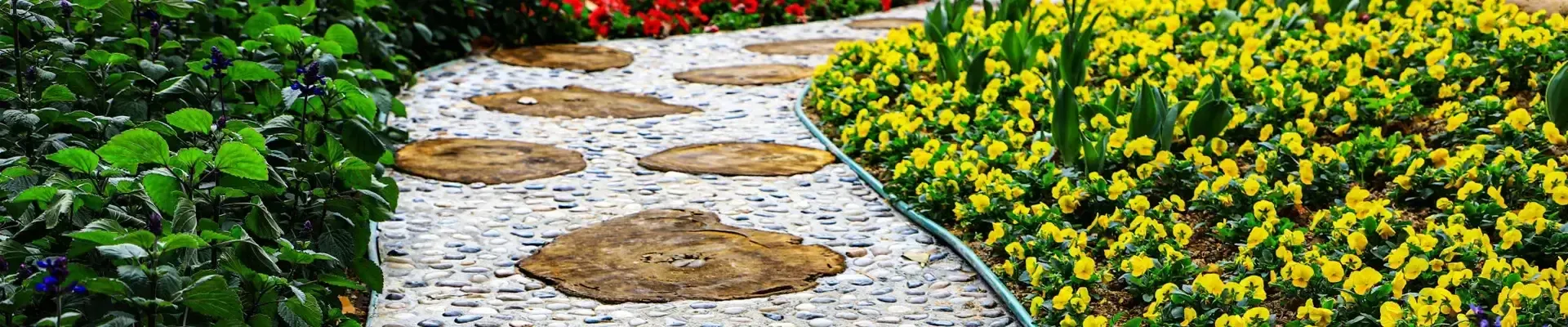
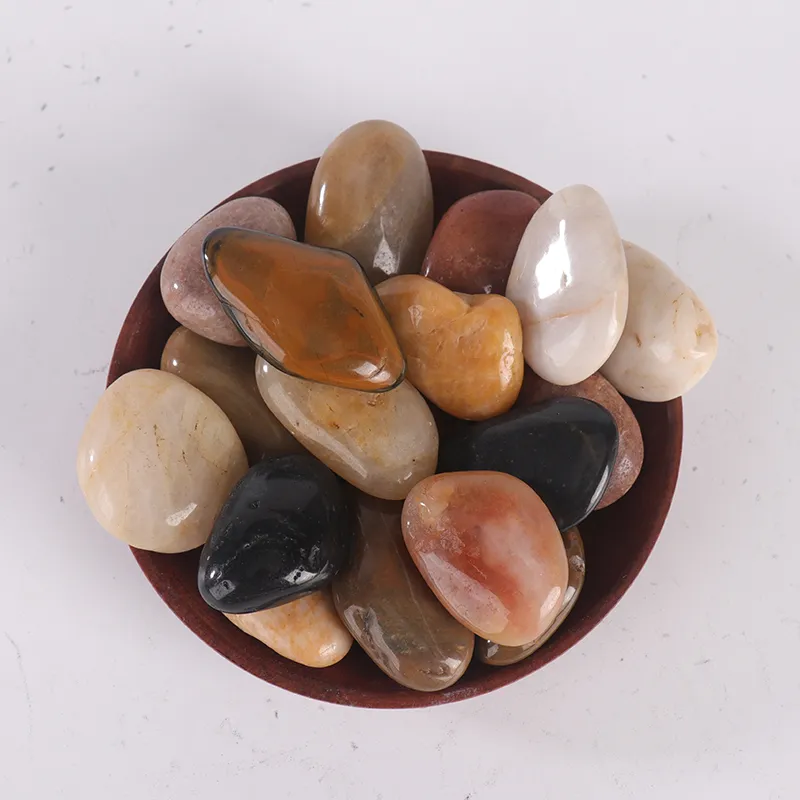
- Corporate Campuses & Commercial Developments: Utilized for pedestrian pathways, courtyard designs, dry riverbeds, and as a ground cover around buildings. They provide excellent drainage, reduce heat island effect (depending on specific color/reflectivity), and offer a sophisticated, low-maintenance aesthetic that enhances corporate branding and employee well-being.
- Public Infrastructure & Urban Design: Integrated into parks, plazas, roadside verges, and medians. Their durability makes them ideal for high-traffic public areas, contributing to effective stormwater management through permeable surfaces and reducing the need for continuous irrigation of turf.
- Water Supply & Drainage Sector: Beyond decorative uses, pebbles serve as filtration media in certain water treatment systems or as a critical component in Sustainable Urban Drainage Systems (SUDS). They are used in bioswales, rain gardens, and permeable paving sub-bases to facilitate water infiltration and purification, mitigating urban runoff and recharging groundwater.
- Petrochemical & Metallurgy Facilities: In these heavy industrial environments, landscaping is often minimal but critical for safety and environmental compliance. Pebbles are used for ground cover in non-vegetated zones to prevent dust, control erosion on slopes, and as a fire-resistant barrier around sensitive equipment. Their inert nature means they do not react with typical industrial contaminants, offering a stable and low-maintenance solution.
- Erosion Control & Land Reclamation: On slopes, embankments, and areas prone to wind or water erosion, larger brown pebbles can be deployed to stabilize soil, protect exposed surfaces, and establish a resilient ground cover where vegetation might struggle. This is particularly relevant in mining reclamation projects or large construction sites.
- Theme Parks & Hospitality: Creating immersive and durable landscapes for high-volume tourist areas, providing both aesthetic appeal and practical benefits such as reducing maintenance costs and ensuring visitor safety.
The adaptability of these aggregates, including various colored pebbles, allows for bespoke solutions tailored to the specific functional and aesthetic requirements of each project, underpinning their value in professional landscape engineering.

Technical Advantages & Performance Metrics
The deployment of brown pebbles for landscaping in professional environments offers a suite of distinct technical advantages that contribute to project longevity, cost-efficiency, and environmental sustainability.
- Exceptional Durability and Longevity: Natural stone pebbles are inherently robust, offering superior resistance to physical wear, crushing, and environmental degradation. Unlike organic mulches, they do not decompose, maintaining their form and function for decades, minimizing replacement costs and disruptions. This translates to an impressive service life, often exceeding 50 years, even in high-traffic commercial settings.
- Minimal Maintenance Requirements: Once installed, pebble landscapes require significantly less upkeep compared to vegetated areas. They eliminate the need for regular watering, mowing, or fertilization. Occasional debris removal is typically sufficient, leading to substantial long-term savings in labor and resources – a direct "energy saving" in terms of maintenance overhead.
- Superior Erosion Control: The weight and interlocking nature of properly sized pebbles create a stable ground cover that effectively resists wind and water erosion. This is crucial for maintaining landscape integrity on slopes, around water features, and in areas susceptible to heavy rainfall or pedestrian traffic.
- Enhanced Drainage and Permeability: Pebbles naturally allow water to permeate through to the soil below, reducing surface runoff and contributing to effective stormwater management. This supports sustainable drainage systems (SuDS) and helps mitigate localized flooding, particularly in urban hardscape environments.
- Chemical Inertness & Corrosion Resistance: As natural inorganic materials, pebbles are largely inert and exhibit high resistance to chemical degradation from common environmental pollutants, industrial spills, or fertilizers. This "corrosion resistance" ensures their integrity and appearance are maintained even in challenging industrial or urban settings, unlike some manufactured alternatives.
- Thermal Stability: Stone aggregates contribute to thermal mass, which can help regulate ground temperatures. While darker colors may absorb more heat, thoughtful design incorporating colored pebbles and strategic placement can contribute to cooler microclimates, especially when combined with shade elements.
- Weed Suppression: A sufficiently deep layer of pebbles acts as a natural barrier, suppressing weed growth by blocking sunlight and making it difficult for weed seeds to germinate and establish.
These combined attributes underscore the robust value proposition of brown landscaping pebbles, providing a technically sound, economically viable, and environmentally responsible solution for complex B2B landscaping requirements.

Vendor Comparison & Selection Criteria
Selecting the right supplier for brown pebbles for landscaping is a strategic decision that impacts project timelines, budget, and long-term performance. Procurement professionals and project managers must evaluate vendors based on a comprehensive set of criteria beyond mere price.
Key Selection Factors:
- Material Origin & Consistency: Reliable vendors ensure consistent sourcing from reputable quarries, guaranteeing uniformity in color, texture, and physical properties batch-to-batch. Inconsistent material can compromise aesthetic continuity and technical performance across large projects.
- Quality Certifications: Look for suppliers holding ISO 9001 for quality management and adherence to relevant ASTM or EN standards for aggregate testing. These certifications provide assurance of controlled processes and product reliability.
- Product Range & Customization: A broad portfolio, including various sizes and types of colored pebbles (e.g., river rock, polished pebbles), indicates expertise. The ability to provide custom sizing, specific color blends, or unique finishes is a significant advantage for bespoke architectural designs.
- Bulk Supply Capacity & Logistics: For large-scale B2B projects, a vendor's capacity to supply significant volumes consistently and manage complex logistics (e.g., bulk transport, specific delivery windows) is paramount. Inquire about lead times, minimum order quantities, and reliable freight options.
- Technical Support & Expertise: A valuable partner offers technical guidance on product application, installation best practices, and problem-solving. This includes providing detailed datasheets, geological reports, and project references.
- Environmental & Ethical Sourcing: Preference should be given to vendors demonstrating commitment to sustainable quarrying practices, land reclamation, and responsible environmental stewardship. Certifications from environmental agencies or industry bodies are beneficial.
- Years of Service & Client Portfolio: Experience in the industry and a robust portfolio of successful projects with major clients attest to a vendor's reliability and capability.
Hypothetical Vendor Comparison (Premium Landscaping Aggregates)
| Feature | Vendor A (LSXCigna - Multicolored Pebbles) | Vendor B (Competitor X) | Vendor C (Competitor Y) |
|---|---|---|---|
| Product Range | Extensive, incl. various brown & multicolored, polished/natural | Moderate, focus on common aggregates | Limited, basic natural pebbles |
| Quality Certifications | ISO 9001, ASTM/EN compliance | Basic certifications | None specified |
| Customization Options | High (size, blend, finish) | Moderate (limited sizing) | Low (standard only) |
| Bulk Supply Capacity | High, large-scale projects supported | Medium, regional focus | Low, small-to-medium projects |
| Technical Support | Dedicated project support, datasheets | General inquiries only | Minimal |
| Environmental Responsibility | Sustainable sourcing, reclamation programs | Basic compliance | Not disclosed |
| Years in Service | 15+ years | 8 years | 3 years |

Customized Solutions & Application Case Studies
The diverse requirements of B2B landscaping projects often necessitate bespoke aggregate solutions. Suppliers capable of offering customized brown pebbles for landscaping, beyond standard off-the-shelf products, provide significant value, enabling unique architectural visions and precise functional performance.
Customization Capabilities:
- Precise Sizing & Grading: Tailoring pebble sizes to specific granulometry requirements for drainage systems, filtration beds, or highly intricate decorative patterns.
- Custom Color Blends: Creating unique mixtures of brown pebbles with other colored pebbles (e.g., black, white, red) to achieve specific aesthetic effects or complement existing architectural palettes.
- Specialized Finishes: Offering various finishes from naturally tumbled smooth to a more rugged, angular texture, depending on the desired visual and tactile outcome.
- Bulk Packaging & Delivery: Custom packaging solutions (e.g., specific bag sizes for phased delivery) and tailored logistics plans to accommodate project schedules and site constraints.
Application Case Studies:
A leading technology firm sought to create an environmentally sustainable and aesthetically advanced campus. Over 1,500 tons of 20-40mm brown pebbles for landscaping were supplied to create expansive permeable pathways, dry riverbeds for stormwater conveyance, and ground cover around native plantings. The customized sizing ensured optimal drainage rates (permeability index of 1.2 cm/sec), while the consistent natural brown hue provided a harmonious backdrop, significantly reducing the campus's reliance on irrigation and minimizing urban runoff. Project completed on schedule, resulting in a 40% reduction in landscape water consumption.
Client Feedback: "The natural pebbles transformed our campus into a resilient, low-maintenance landscape that aligns with our sustainability goals. The uniform quality and timely delivery were exceptional."
An industrial park in a region prone to heavy seasonal rains faced persistent erosion issues on its sloped embankments and around critical utility infrastructure. A custom blend of larger (40-60mm) brown pebbles for landscaping was engineered to provide superior stabilization. The project involved deploying geofabric layers underneath the pebbles, creating a highly stable, non-vegetated surface. The pebbles' density and angularity minimized movement, effectively controlling erosion and requiring zero ongoing maintenance for vegetation management in hard-to-access areas.
Engineer's Comment: "The specific gravity and interlocking characteristics of these custom-sized pebbles were crucial. They've provided a long-term, robust solution to what was a recurring and costly erosion problem."

Trust & Support: FAQ, Lead Time, Warranty, & After-Sales
Frequently Asked Questions (FAQ)
- Q: What is the recommended depth for brown pebbles for landscaping in commercial applications?
- A: For effective weed suppression and stable coverage, a minimum depth of 50-75mm (2-3 inches) is generally recommended. For high-traffic areas or erosion control, deeper layers or sub-base preparation may be necessary.
- Q: Are these pebbles suitable for vehicle traffic?
- A: While individual pebbles are durable, for areas with light vehicle traffic, a specialized permeable paver system with aggregate infill is typically recommended to prevent displacement. For heavy vehicle traffic, other solutions are advised.
- Q: How do colored pebbles impact heat absorption?
- A: Darker brown pebbles absorb more solar radiation, potentially contributing to the urban heat island effect. Lighter colored pebbles reflect more sunlight. This should be considered in design, particularly in warmer climates, and balanced with overall landscape design strategies.
- Q: What is the process for cleaning pebble installations?
- A: Regular cleaning typically involves blowing or raking away debris. For stubborn dirt or algae, a pressure washer (on a low setting) can be used. Avoid harsh chemicals that could stain the stone or harm surrounding vegetation.
Lead Time & Fulfillment
We maintain robust inventory levels and efficient logistics to support large-scale B2B projects. Standard lead times for common brown pebbles for landscaping and colored pebbles typically range from 3-7 business days for regional deliveries, with extended lead times of 2-4 weeks for specialized custom orders or international shipments. We operate a tiered fulfillment system optimized for bulk deliveries, ensuring prompt and reliable supply chain management. Urgent orders can be accommodated with express shipping options, subject to availability and project specifications. Our dedicated logistics team coordinates directly with project managers to align delivery schedules with site requirements, minimizing delays and maximizing efficiency.
Warranty Commitments
Our natural landscaping pebbles are guaranteed to be free from defects in material and workmanship, meeting all specified technical parameters and industry standards (e.g., ASTM, EN) at the time of delivery. We provide a 10-year limited warranty against premature degradation under normal use, provided installation guidelines are followed. This warranty covers material integrity and structural stability, excluding damage caused by improper installation, extraordinary forces, or unauthorized alterations. Detailed warranty terms and conditions are available upon request and provided with every commercial order. Our commitment to quality is underscored by our ISO 9001 certification, reflecting our stringent quality assurance protocols across all manufacturing stages.
Customer Support & After-Sales Service
We believe in fostering long-term partnerships with our clients. Our dedicated B2B customer support team is available Monday to Friday, 8:00 AM - 5:00 PM (EST), to address any technical inquiries, order status updates, or post-delivery support needs. Services include:
- Technical Consultation: Expert advice on product selection, application methods, and problem-solving.
- Dedicated Account Managers: Personalized support for complex projects and ongoing supply needs.
- Complaint Resolution: A streamlined process for addressing and resolving any product or service-related concerns promptly.
- Documentation & Certifications: Provision of all necessary technical datasheets, safety data sheets (SDS), and certification documents.
Contact us at info@lsxcigna.com or call us at +1 (XXX) XXX-XXXX for professional assistance.

References
- American Society for Testing and Materials (ASTM). (2023). Annual Book of ASTM Standards. ASTM International.
- International Organization for Standardization (ISO). (2022). ISO 9001:2015 - Quality management systems – Requirements. ISO Central Secretariat.
- The Landscape Institute. (2021). Landscape Technical Guidance Note: Aggregates in Landscape Design. The Landscape Institute.
- U.S. Environmental Protection Agency (EPA). (2019). Green Infrastructure Permeable Pavement Technical Guidance. Office of Water.
- European Committee for Standardization (CEN). (2020). EN 12620:2002+A1:2008 - Aggregates for concrete. European Standards.
-
Green Jade Uses and Finish Choices for Buyers
NewsNov.02,2026
-
White Pebbles FAQ: Specifications, Ordering and Support Questions
NewsOct.28,2026
-
Premium Natural Cobblestone for Durable and Elegant Landscapes
NewsJul.01,2026
-
Professional Guide to Laying Cobblestones on Concrete for Homeowners
NewsJun.29,2026
-
Professional Guide to Laying Cobbles on Concrete for Driveways
NewsJun.27,2026
-
Premium Large Cobblestones for Garden and Landscape Design
NewsJun.26,2026