

Aug . 29, 2025 01:00 Back to list
Natural Brown Pebbles for Landscaping - Durable Garden Decor
In B2B landscaping and infrastructure projects, the selection of robust and aesthetically pleasing materials is paramount for both functional efficacy and long-term value. This technical overview explores the multifaceted aspects of brown pebbles for landscaping, a vital aggregate that offers superior durability and natural beauty. We delve into their manufacturing processes, technical specifications, diverse application scenarios, and the compelling advantages they present across various industrial and commercial environments. This article also covers industry trends, vendor comparisons, customization options, and crucial after-sales support details to empower informed procurement decisions.
Industry Trends in Decorative and Functional Aggregates
The market for decorative and functional aggregates is experiencing significant evolution, driven by increased emphasis on sustainable infrastructure, low-maintenance designs, and enhanced aesthetic integration in commercial and industrial settings. The demand for naturally sourced materials, such as brown pebbles for landscaping, continues to rise due to their inherent durability, environmental compatibility, and timeless appeal. Current trends indicate a shift towards versatile solutions that can serve both utilitarian purposes, like drainage and erosion control, and aesthetic enhancement.
Technological advancements in aggregate processing, including advanced sorting, polishing, and sizing techniques, are enabling manufacturers to offer a broader spectrum of `colored pebbles` with consistent quality. Furthermore, the global push for green building certifications and water management solutions has amplified the utility of permeable aggregate systems, where pebbles play a crucial role. According to a recent market analysis by Grand View Research, the global aggregates market size was valued at USD 485.4 billion in 2022 and is projected to expand at a compound annual growth rate (CAGR) of 5.5% from 2023 to 2030, largely influenced by the construction and landscaping sectors. This growth underscores the increasing importance of high-quality aggregates like brown pebbles.

Figure 1: Demand for natural aggregates in modern landscaping.
Detailed Manufacturing Process of Brown Pebbles for Landscaping
The production of high-quality brown pebbles for landscaping involves a meticulously controlled process, ensuring product consistency, durability, and aesthetic appeal. This multi-stage process begins with responsible material sourcing and culminates in rigorous quality assurance.
Process Flow Schematic:
- 1. Raw Material Sourcing: High-grade natural river rock or quarried sedimentary stones, predominantly rich in quartz, feldspar, and iron oxides, are selected for their inherent brown hues and robust geological properties. Material specifications adhere to ASTM C33 standards for aggregates.
- 2. Primary Crushing and Screening: Large boulders are fed into primary jaw or cone crushers to reduce them to manageable sizes. Following crushing, the material undergoes initial screening to remove oversized particles and fine dust, optimizing subsequent processing stages.
- 3. Tumbling/Milling (Shaping & Smoothing): This critical stage involves placing the crushed aggregate into large rotating drums (tumblers or mills). Through a prolonged mechanical abrasion process, the sharp edges are rounded, and the surfaces are smoothed, simulating natural river erosion. This technique avoids casting or forging and is analogous to a specialized form of CNC machining for bulk aggregates, ensuring consistent spherical or ovoid shapes.
- 4. Secondary Screening and Sizing: After tumbling, the pebbles are passed through multiple vibrating screens with precise mesh sizes to sort them into specific diameter ranges (e.g., 10-20mm, 20-40mm, 40-60mm). This ensures uniform product specifications for diverse applications.
- 5. Washing and Drying: The sorted pebbles are thoroughly washed to remove any residual dust, clay, or organic matter, enhancing their natural color and preventing future efflorescence. They are then dried to prevent moisture-related issues during storage and transport.
- 6. Quality Control and Packaging: Each batch undergoes final inspection for size consistency, color uniformity, and surface quality. Testing standards include ISO 9001 for quality management and relevant ANSI/ASTM standards for aggregate properties. The pebbles are then bagged or bulk-loaded according to client specifications.
The service life of these natural pebbles is virtually indefinite when properly installed, far exceeding synthetic alternatives. Target industries include petrochemical (for robust drainage layers and non-combustible landscaping), metallurgy (for erosion control around facilities), water supply & drainage (for filtration beds and permeable paving), and extensive commercial landscaping. Advantages in typical scenarios include superior energy saving through reduced heat island effect due to their natural color, and exceptional corrosion resistance due inherent mineral stability, making them ideal for harsh industrial environments.
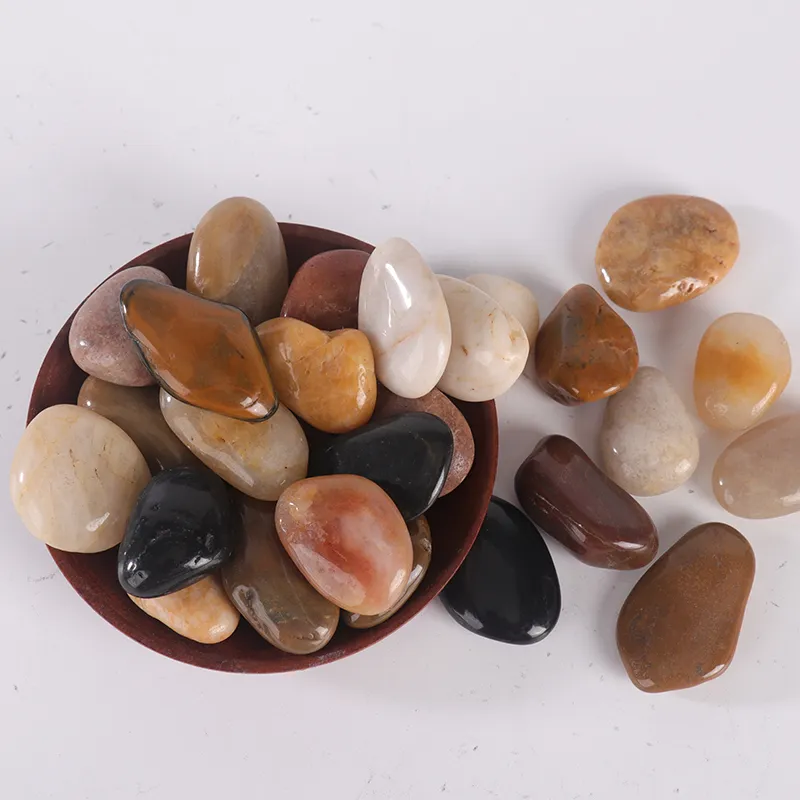
Figure 2: Sorting and sizing of pebbles for uniform quality.
Technical Specifications and Material Science
Understanding the technical specifications of brown pebbles for landscaping is crucial for engineers and project managers. These pebbles are typically derived from siliceous aggregates, primarily quartzites, granites, and metamorphosed sandstones, which contribute to their robust physical and chemical properties.
Key Material Parameters:
- Mineral Composition: Predominantly SiO2 (quartz), with varying amounts of feldspars, micas, and iron oxides which impart the distinct brown coloration.
- Mohs Hardness: Typically ranges from 6 to 7, indicating high resistance to scratching and abrasion, essential for high-traffic areas and industrial applications.
- Specific Gravity: Ranges from 2.6 to 2.8 g/cm³, ensuring stability in ground applications and resistance to displacement by wind or water.
- Water Absorption: Generally less than 1.0%, minimizing freeze-thaw degradation and maintaining structural integrity.
- Abrasion Resistance: Low Los Angeles Abrasion values (typically
- Chemical Inertness: Highly resistant to acids, alkalis, and salts, making them suitable for environments exposed to chemical spills or high salinity.
- Particle Size Distribution: Strictly controlled through screening, available in various grades such as 10-20mm, 20-40mm, and 40-60mm, to suit specific design requirements for drainage, ground cover, or decorative features.
Typical Product Specification Table:
| Parameter | Specification | Relevant Standard/Test Method |
|---|---|---|
| Material Type | Natural Siliceous Aggregate (River Rock/Quarried) | Geological Classification |
| Color | Natural Brown Tones (Variable Hues) | Visual Inspection |
| Shape | Rounded to Sub-Rounded | ASTM D2487 (Visual) |
| Average Size Range | 10-20mm, 20-40mm, 40-60mm (Custom Sizes Available) | ASTM D4791 (Sieve Analysis) |
| Specific Gravity (SSD) | 2.6 - 2.8 | ASTM C127 |
| Water Absorption | < 1.0% | ASTM C127 |
| Los Angeles Abrasion | < 25% | ASTM C131/C535 |
| Sulfate Soundness | < 10% (Sodium/Magnesium) | ASTM C88 |
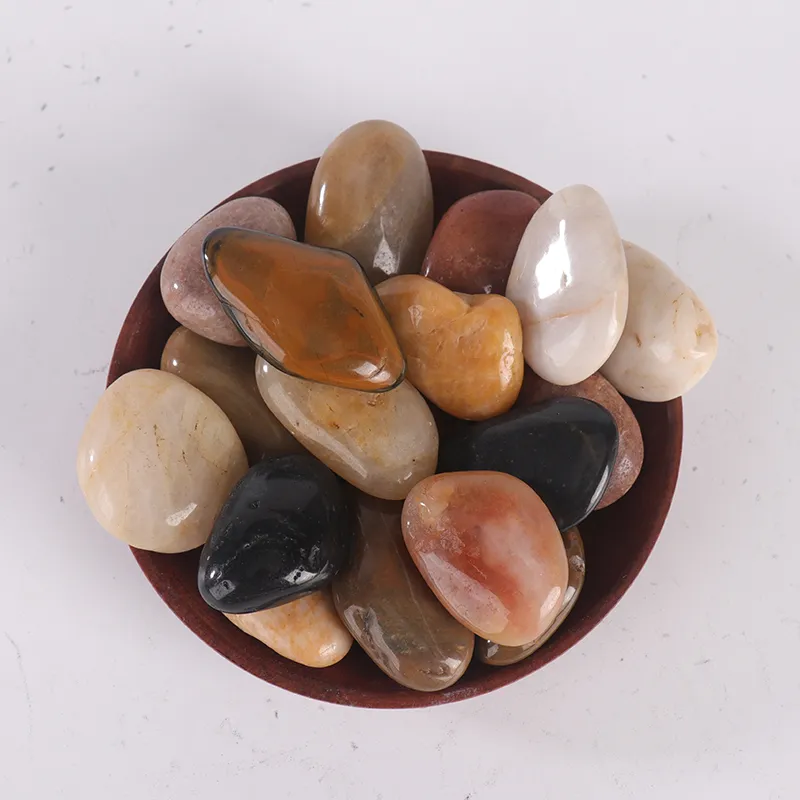
Figure 3: Close-up of naturally rounded brown pebbles, showcasing material quality.
Application Scenarios Across Target Industries
The versatility of brown pebbles for landscaping makes them indispensable across a spectrum of B2B applications, offering both aesthetic enhancement and crucial functional benefits. Their natural characteristics align well with the stringent requirements of industrial and commercial projects.
- Petrochemical and Energy Facilities: Utilized in drainage beds around storage tanks, pipe racks, and processing units. Their non-combustible nature and chemical inertness provide a stable, low-maintenance, and fire-resistant ground cover. They are also employed for erosion control on slopes and perimeter landscaping, offering energy saving benefits by reducing surface temperatures due to lower heat absorption compared to darker asphalt.
- Metallurgy and Heavy Manufacturing: Applied in stormwater management systems, permeable paving, and erosion control adjacent to heavy machinery areas. The abrasion resistance and inherent strength of brown pebbles for landscaping withstand significant operational stresses, while their natural coloration helps camouflage industrial residue and reduce visual impact.
- Water Supply & Drainage Infrastructure: Crucial for filtration layers in drainage systems, bioswales, and permeable pavement applications. Their rounded shape facilitates efficient water flow and minimizes clogging, while their chemical stability prevents contamination of water runoff. They also contribute to groundwater recharge.
- Public Works and Municipal Projects: Employed in public parks, pedestrian pathways, roundabout landscaping, and urban green spaces. They provide durable, accessible, and attractive ground cover that requires minimal upkeep, reduces water consumption, and offers excellent corrosion resistance in areas exposed to de-icing salts or pollution.
- Commercial and Corporate Campuses: Integral to creating sophisticated and welcoming outdoor environments. Used in decorative planters, walkway borders, reflective ground cover to reduce cooling loads on buildings, and as a natural mulch alternative that inhibits weed growth. The subtle brown tones blend seamlessly with various architectural styles.

Figure 4: Brown pebbles used in a commercial landscape design.
Technical Advantages and Performance Metrics
The selection of brown pebbles for landscaping offers a multitude of technical advantages that contribute to long-term project success and cost-effectiveness. These benefits stem from their natural properties and refined processing.
- Exceptional Durability: With a Mohs hardness of 6-7 and low abrasion loss, these pebbles resist degradation from foot traffic, vehicular movement (in appropriate applications), and environmental exposure. This translates to an extended service life and reduced replacement frequency compared to organic mulches or less robust aggregates.
- Low Maintenance Requirements: Unlike vegetative groundcovers, pebbles do not require watering, fertilizing, or regular pruning. Their inert nature also inhibits weed growth when installed with proper geotextile barriers, significantly reducing labor and material costs associated with upkeep.
- Superior Permeability and Drainage: The naturally rounded and irregularly shaped pebbles create void spaces that facilitate rapid water infiltration, reducing surface runoff and mitigating erosion. This is crucial for stormwater management and protecting underlying infrastructure.
- Thermal Stability and Fire Resistance: As mineral aggregates, pebbles are non-combustible, offering a fire-resistant barrier in critical zones. Their thermal mass can also help moderate soil temperatures, reducing evaporation and offering energy saving benefits by keeping surrounding areas cooler.
- Chemical Inertness and Corrosion Resistance: The siliceous composition provides excellent resistance to most acids, alkalis, and pollutants, making them ideal for industrial sites where chemical spills or harsh environmental conditions are prevalent. This protects both the pebbles themselves and the sub-base from degradation.
- Eco-Friendly and Sustainable: Sourced from natural deposits, brown pebbles are a sustainable material. Their use reduces demand for resource-intensive alternatives and contributes to LEED certification goals by promoting permeable surfaces and reducing heat island effects.
- Aesthetic Versatility: The warm, earthy tones of brown pebbles complement a wide array of architectural styles and plant palettes, providing a sophisticated and natural appearance that enhances property value and visual appeal.
Performance metrics, such as Coefficient of Permeability (K-value) typically ranging from 0.1 to 1.0 cm/s for well-graded pebbles, demonstrate their effectiveness in drainage applications. Furthermore, their low attrition rate in controlled testing environments confirms longevity, offering a compelling return on investment for large-scale projects.
Vendor Comparison and Selection Criteria
Selecting the right supplier for brown pebbles for landscaping is critical for ensuring project success, material quality, and adherence to timelines. While many suppliers offer aggregates, discerning between them requires a focus on specific criteria that go beyond mere price.
- Material Sourcing and Origin: Reputable vendors ensure their materials are ethically sourced from quarries or riverbeds that adhere to environmental regulations. Consistency in geological origin guarantees uniform color and physical properties.
- Processing Quality: Look for suppliers with advanced processing facilities (tumbling, washing, precise screening) to guarantee consistently rounded shapes, cleanliness, and accurate sizing.
- Certifications and Compliance: Verify ISO 9001 (Quality Management), ISO 14001 (Environmental Management), and adherence to relevant ASTM or ANSI standards for aggregate materials. This demonstrates commitment to quality and sustainability.
- Project Experience and References: A vendor's portfolio of successful B2B projects, especially in similar industrial or commercial applications, provides invaluable insight into their capabilities and reliability.
- Logistics and Delivery Capabilities: Assess their capacity for timely delivery to large-scale project sites, including bulk transport options and packaging flexibility.
- Technical Support and Customization: The ability to provide expert advice on material selection, specific applications, and customized aggregate solutions (e.g., specific color blends, unique sizing) is a significant differentiator.
Vendor Comparison Table (Illustrative):
| Feature/Vendor | Vendor A (Premium) | Vendor B (Standard) | Vendor C (Budget) |
|---|---|---|---|
| Sourcing Quality | Certified, Exclusive Quarries | Reputable, Diverse Sources | Mixed Sources |
| Processing Method | Advanced Tumbling & Multi-Stage Screening | Standard Tumbling & Screening | Basic Screening, Less Tumbling |
| Certifications | ISO 9001, ISO 14001, ASTM Compliant | ASTM Compliant | Basic Compliance |
| Color Consistency | Excellent (Batch-to-Batch) | Good (Minor Variations) | Moderate (Noticeable Variations) |
| Available Sizes | Extensive Standard & Custom | Standard Range | Limited Standard |
| Technical Support | Dedicated Project Support & Consultancy | Standard Support | Basic Inquiry Support |

Figure 5: A well-managed inventory ensures product consistency for B2B projects.
Customized Solutions for Unique Project Requirements
Recognizing that every B2B project presents unique challenges and aesthetic demands, reputable suppliers of brown pebbles for landscaping offer comprehensive customized solutions. This flexibility ensures that the chosen aggregates perfectly align with specific design visions and functional requirements.
- Specific Size Grading: Beyond standard sizes, custom screening can produce precise particle size distributions to meet specific drainage requirements, weight-bearing capacities, or intricate design patterns. For instance, a particular permeable paving system might require aggregates within a very narrow sieve range.
- Color Blending: While natural brown tones are popular, projects might call for subtle variations or blends with other `colored pebbles` (e.g., grey, black, or reddish tones) to achieve a particular aesthetic. Suppliers can often create custom blends to match architectural elements or brand guidelines.
- Unique Finishes: While tumbling creates a smooth finish, some projects might require a rougher, more angular texture for specific aesthetic or functional (e.g., enhanced grip on sloped areas) purposes. Customized tumbling cycles or alternative processing methods can achieve these finishes.
- Special Packaging: For projects with limited access, specific installation methods, or remote locations, custom packaging solutions (e.g., small bags, jumbo bags, precise bulk quantities) can streamline logistics and reduce on-site handling complexities.
- Material Testing and Certification: For highly specialized applications, vendors can provide bespoke material testing to ensure compliance with project-specific performance criteria, alongside standard ASTM/ISO certifications.
Engaging with a supplier's technical sales and engineering teams early in the design phase allows for collaborative development of tailor-made solutions, optimizing material performance and achieving desired visual outcomes. This consultative approach is key to leveraging the full potential of natural aggregates in complex commercial projects.

Figure 6: Custom blends and specialized packaging for unique project needs.
Application Case Studies
Real-world applications demonstrate the practical efficacy and diverse benefits of using brown pebbles for landscaping in demanding B2B environments.
Case Study 1: Stormwater Management in a Large Industrial Park
Challenge: An expanding industrial park faced issues with excessive stormwater runoff, overwhelming existing drainage infrastructure and causing localized flooding. Traditional concrete solutions were expensive and lacked aesthetic appeal.
Solution: Our team collaborated with the civil engineering firm to design and implement a series of permeable pathways and bioswales using 20-40mm brown pebbles for landscaping. A total of 5,000 cubic meters of pebbles were installed over geotextile fabric.
Outcome: The permeable surfaces dramatically improved water infiltration, reducing peak runoff by an estimated 60% during heavy rainfall events. The natural brown color seamlessly integrated into the landscape, providing an aesthetically pleasing and highly functional solution that also minimized the heat island effect. The project achieved a significant reduction in long-term maintenance costs compared to conventional drainage systems.
Case Study 2: Erosion Control for a Pipeline Corridor
Challenge: A major energy company needed to stabilize steep slopes along a new pipeline corridor in a region prone to heavy rainfall and wind erosion. Vegetative solutions were difficult to establish and maintain due to soil composition and access issues.
Solution: We supplied 40-60mm brown pebbles for landscaping which were spread as a thick, interlocking layer across 3,000 square meters of the affected slopes. The heavier gauge pebbles provided substantial ballast against wind and water.
Outcome: The pebble layer effectively prevented soil erosion, maintaining the integrity of the slopes and protecting the underlying pipeline infrastructure. Its durable, low-maintenance nature proved ideal for a remote industrial site, eliminating the need for frequent vegetative restoration efforts and offering excellent corrosion resistance against environmental elements. The project minimized environmental impact and ensured long-term operational safety.
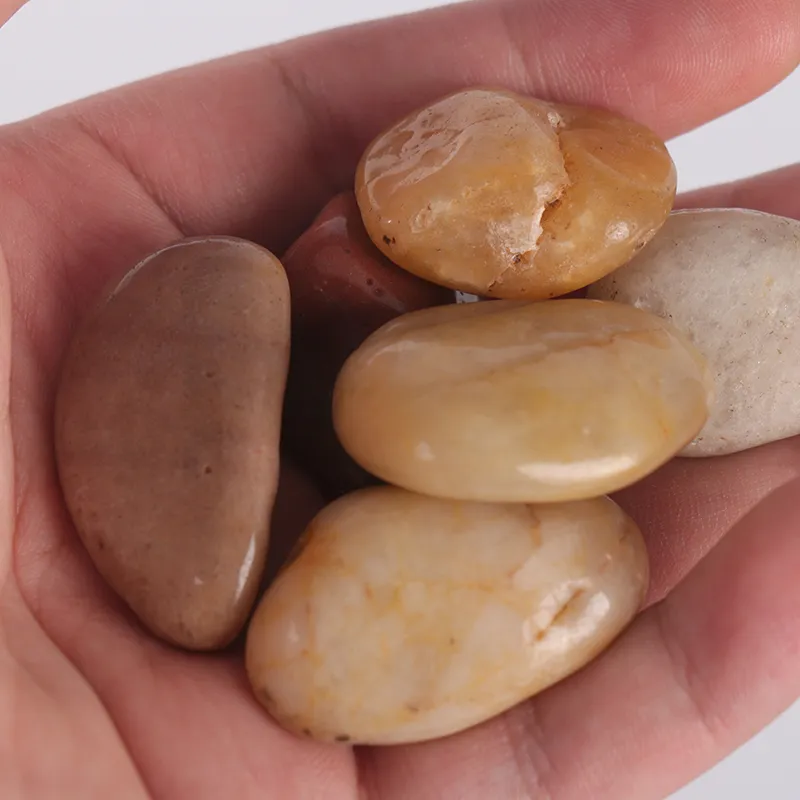
Figure 7: Pebbles utilized in an industrial erosion control project.
Quality Assurance and Certifications
Our commitment to delivering superior brown pebbles for landscaping is underpinned by rigorous quality assurance protocols and adherence to international industry standards. This ensures that every product batch meets the highest performance and consistency benchmarks required by our B2B clients.
- ISO 9001:2015 Certified: Our manufacturing processes are certified under ISO 9001, guaranteeing a robust Quality Management System that covers all stages from raw material procurement to final product delivery.
- ASTM Compliance: All aggregates are tested in accordance with relevant ASTM (American Society for Testing and Materials) standards, including ASTM C33 for concrete aggregates, ASTM C127 for specific gravity and absorption, and ASTM C131/C535 for abrasion resistance (Los Angeles Abrasion test).
- In-House Laboratory Testing: We operate a fully equipped in-house laboratory where samples from each production run undergo comprehensive testing for particle size distribution, specific gravity, water absorption, and soundness.
- Batch Traceability: Every batch of `colored pebbles` is assigned a unique identifier, allowing for full traceability back to its raw material source and processing parameters. This ensures accountability and facilitates rapid issue resolution.
- Third-Party Verification: For large-scale projects or specific client requirements, we facilitate third-party material testing and certification to provide an independent verification of product quality and performance.
Our dedication to quality and transparency builds lasting trust with our partners, ensuring that our products consistently exceed expectations for durability, aesthetics, and environmental performance.
Frequently Asked Questions (FAQ)
- Q: What makes natural brown pebbles superior to artificial aggregates for landscaping?
- A: Natural brown pebbles for landscaping offer superior durability, colorfastness, and eco-friendliness. They are non-toxic, resistant to UV degradation, and maintain their aesthetic appeal indefinitely, unlike some artificial materials which can fade, break down, or leach chemicals over time. Their inherent geological properties ensure long-term stability and minimal maintenance.
- Q: How do your pebbles contribute to sustainable landscape design?
- A: Our pebbles support sustainability by promoting permeable surfaces, reducing stormwater runoff, and facilitating groundwater recharge. Their natural composition minimizes environmental impact compared to manufactured materials. They also reduce the need for irrigation (by acting as mulch) and lower the urban heat island effect, contributing to LEED and other green building certifications.
- Q: What is the typical lead time for large-volume orders?
- A: For standard sizes and colors, lead times typically range from 2 to 4 weeks, depending on order volume and destination. For customized orders or specific blends of `colored pebbles`, lead times may extend to 4-6 weeks to accommodate specialized processing and quality checks. We recommend contacting our sales team for precise lead time estimates based on your project's specific requirements.
- Q: Do you offer samples for project evaluation?
- A: Yes, we provide material samples to B2B clients for evaluation of color, texture, and size. Please contact our sales department to request samples tailored to your project's needs.
- Q: What are the packaging and delivery options?
- A: We offer flexible packaging options including bulk loading, 1-ton jumbo bags, and smaller pre-packaged bags (e.g., 25kg) for specific applications. Delivery can be arranged via truck freight, rail, or sea, depending on the volume and destination, optimizing logistics for large-scale projects.
Lead Time, Fulfillment, and Warranty Commitments
Our streamlined logistics and robust quality control systems ensure reliable order fulfillment for all brown pebbles for landscaping requirements.
Lead Time & Fulfillment:
- Standard Orders: Typically 10-14 business days from order confirmation to dispatch for readily available inventory.
- Custom Orders: Require 3-6 weeks for processing, including sourcing, specialized tumbling, sizing, and quality checks. Large project volumes may require additional time; detailed schedules are provided upon quote acceptance.
- Logistics: We leverage an extensive network of freight partners for efficient and cost-effective delivery across various regions. Expedited shipping options are available upon request and project urgency.
- Minimum Order Quantity (MOQ): Our MOQ is typically 1 metric ton (MT) for standard products, with flexibility for specialized samples or smaller project requirements.
Warranty Commitments:
We stand by the quality of our brown pebbles for landscaping. Our products are warrantied to meet all specified technical parameters and be free from defects in material and workmanship at the time of delivery. This warranty covers:
- Material Integrity: Guaranteed to be natural stone, free from synthetic fillers or contaminants, and to conform to the geological and physical properties outlined in our product specifications.
- Size & Shape Consistency: Guaranteed to be within the specified size tolerances and to exhibit the characteristic rounded shape achieved through our tumbling process.
- Color Uniformity: While natural variations occur, we guarantee color consistency within commercially acceptable limits for natural `colored pebbles`.
Claims under warranty must be made within a specified period post-delivery and supported by photographic evidence and batch information. Our policy is designed to ensure customer satisfaction and confidence in our products for long-term project viability.
Customer Support and After-Sales Service:
- Dedicated Account Management: Each B2B client is assigned a dedicated account manager for streamlined communication and personalized service from inquiry to post-delivery.
- Technical Assistance: Our team of material specialists and engineers is available to provide expert advice on product selection, installation best practices, and troubleshooting for specific site conditions.
- Post-Delivery Support: We offer comprehensive support for any post-installation queries or concerns, ensuring long-term satisfaction with our products.
- Feedback Mechanism: We actively solicit customer feedback to continuously improve our products and services, reflecting our commitment to partnership and excellence.
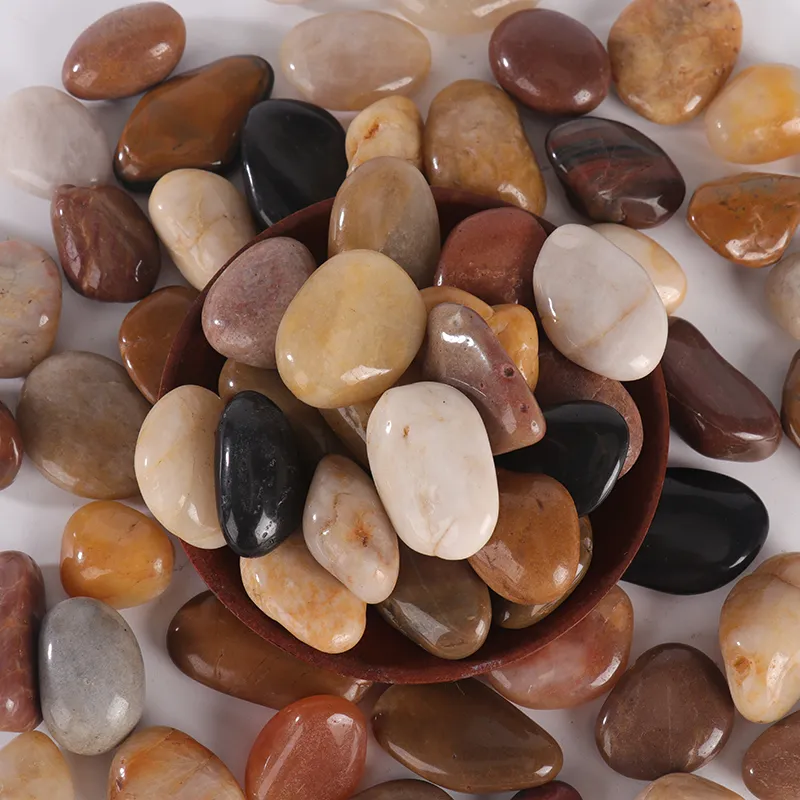
Figure 8: Our team ensuring seamless logistics and customer satisfaction.
Conclusion
The strategic integration of brown pebbles for landscaping offers unparalleled advantages for B2B applications, combining robust technical performance with natural aesthetic appeal. From critical industrial infrastructure to sophisticated commercial designs, these aggregates provide durable, low-maintenance, and environmentally sound solutions. Our rigorous manufacturing processes, adherence to international standards, comprehensive customization options, and dedicated after-sales support ensure that clients receive products that not only meet but exceed their project specifications. By choosing our high-quality brown pebbles, businesses invest in long-term value, operational efficiency, and sustainable landscape development.
References
- Grand View Research. (2023). Aggregates Market Size, Share & Trends Analysis Report By Product (Crushed Stone, Sand & Gravel), By Application (Construction, Railways), By Region, And Segment Forecasts, 2023 - 2030. Available at: https://www.grandviewresearch.com/industry-analysis/aggregates-market
- American Society for Testing and Materials (ASTM). (Various Standards). ASTM C33/C33M - 18, Standard Specification for Concrete Aggregates; ASTM C127 - 15, Standard Test Method for Relative Density (Specific Gravity) and Absorption of Coarse Aggregate.
- International Organization for Standardization (ISO). (2015). ISO 9001:2015, Quality management systems — Requirements.
- U.S. Environmental Protection Agency (EPA). (2008). Reducing Urban Heat Islands: Compendium of Strategies. Cool Pavements. Available at: https://www.epa.gov/heat-islands/heat-island-compendium
-
Green Jade Uses and Finish Choices for Buyers
NewsNov.02,2026
-
White Pebbles FAQ: Specifications, Ordering and Support Questions
NewsOct.28,2026
-
Premium Natural Cobblestone for Durable and Elegant Landscapes
NewsJul.01,2026
-
Professional Guide to Laying Cobblestones on Concrete for Homeowners
NewsJun.29,2026
-
Professional Guide to Laying Cobbles on Concrete for Driveways
NewsJun.27,2026
-
Premium Large Cobblestones for Garden and Landscape Design
NewsJun.26,2026