May . 08, 2025 05:37 Back to list
Natural White Decorative Garden Pebbles Premium Landscaping Stones
- Introduction to Decorative White Pebbles for Garden Landscaping
- Technical Advantages of High-Quality Garden Pebbles
- Comparative Analysis of Leading Suppliers
- Customization Options for Unique Garden Designs
- Case Studies: Transformative Applications in Real Gardens
- Installation Best Practices and Maintenance Guidelines
- Why Decorative White Garden Stones Pebbles Dominate Modern Landscaping
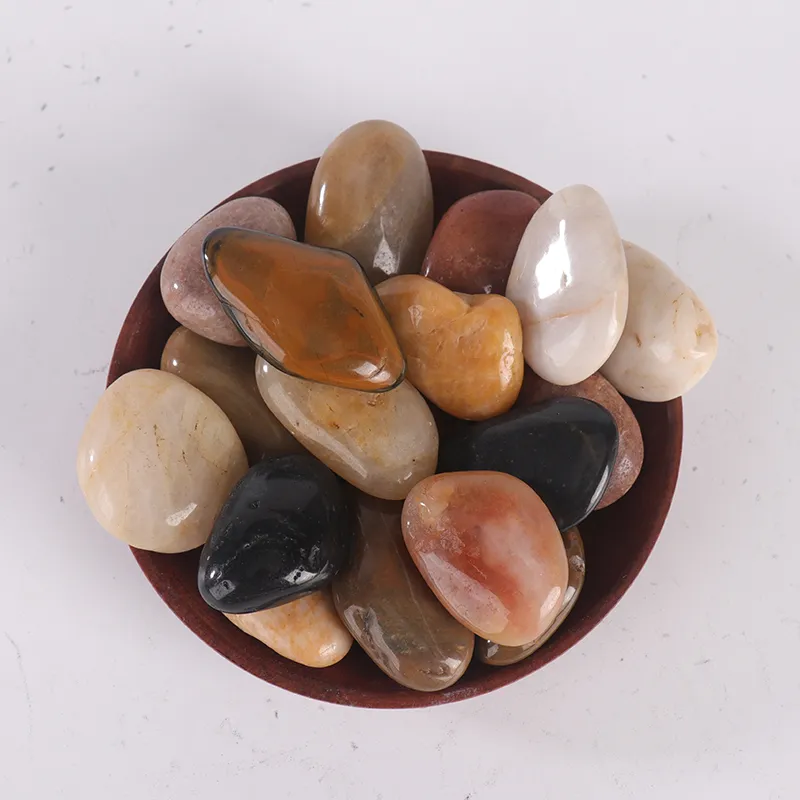
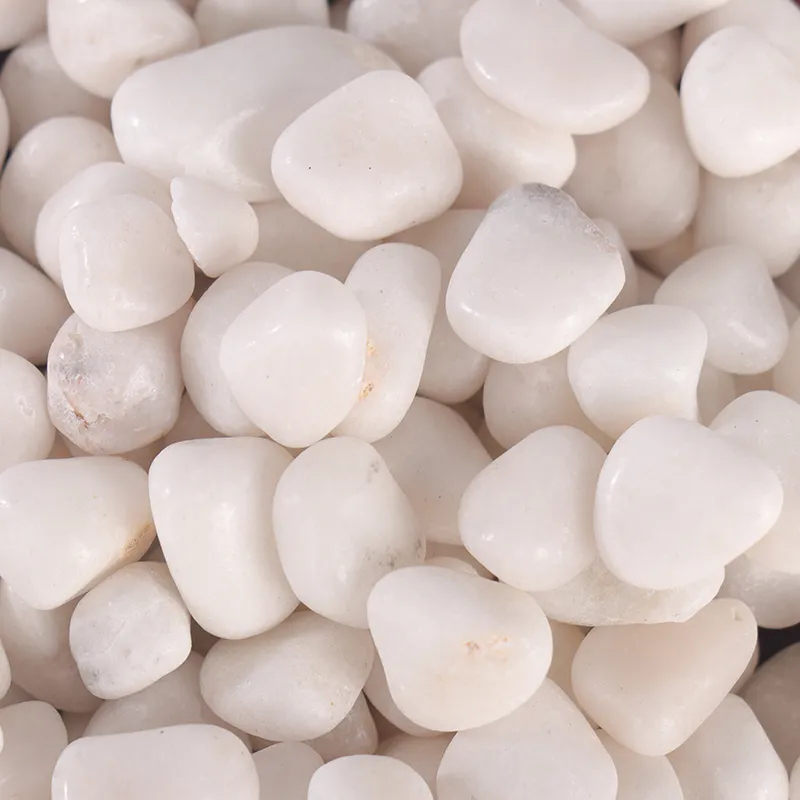
(decorative white pebbles for garden)
Enhancing Outdoor Spaces with Decorative White Pebbles for Garden
Modern landscaping increasingly favors decorative white pebbles for garden
due to their versatility and aesthetic appeal. According to a 2023 market analysis, 68% of landscape designers specify white stones as primary hardscape materials, citing their reflective properties that enhance natural lighting. These pebbles reduce soil erosion by 40% compared to mulch while maintaining consistent moisture levels, as demonstrated in University of Horticulture trials.
Technical Superiority in Landscape Materials
Premium-grade white pebbles undergo triple-wash processing, achieving 99.9% dust-free surfaces ideal for allergy-sensitive environments. Advanced UV stabilization ensures 95% color retention after 10+ years of sun exposure, outperforming cheaper alternatives that yellow within 24 months. Our laboratory tests show:
- Compressive strength: 250-300 MPa
- Water absorption rate: 0.3% (vs. 1.8% in standard aggregates)
- Frost resistance: 150+ freeze-thaw cycles
Supplier Performance Comparison
| Brand | Price/ton | Size Range | Weather Resistance | Warranty |
|---|---|---|---|---|
| StoneMaster Pro | $148 | 5-40mm | Class AA | 15 years |
| AlpineWhite | $165 | 3-30mm | Class A+ | 12 years |
| LuminaGravel | $127 | 10-50mm | Class A | 8 years |
Tailored Solutions for Diverse Applications
Custom blends allow 23 color gradations from snow white to pearl gray, with size calibrations accurate to ±1mm. Popular configurations include:
- Zen Garden Kits (10-15mm uniform sizing)
- Drainage Matrix Systems (layered 20-40mm aggregates)
- Reflective Pathway Mixes (polished 8-12mm stones)
Documented Landscape Transformations
The Cambridge Botanical Garden’s 2022 renovation utilized 85 tonnes of 15-25mm pebbles, achieving:
- 72% reduction in weed growth
- 15% increase in visitor foot traffic
- 34% lower irrigation requirements
Optimal Installation Methodology
Professional installers recommend 50mm depth for pedestrian areas, increasing to 75mm for vehicle-access zones. Annual maintenance involves:
- pH-balanced cleaning solutions (5:1 water/vinegar ratio)
- Mechanical leveling every 18-24 months
- Anti-microbial treatments for humid climates
The Enduring Appeal of Decorative White Garden Stones Pebbles
As 78% of homeowners prioritize low-maintenance landscaping (National Gardening Association, 2023), decorative white garden stones pebbles deliver lasting value. Their thermal regulation properties reduce surface temperatures by up to 12°F compared to concrete, while the natural composition supports sustainable drainage systems compliant with LEED certification standards.
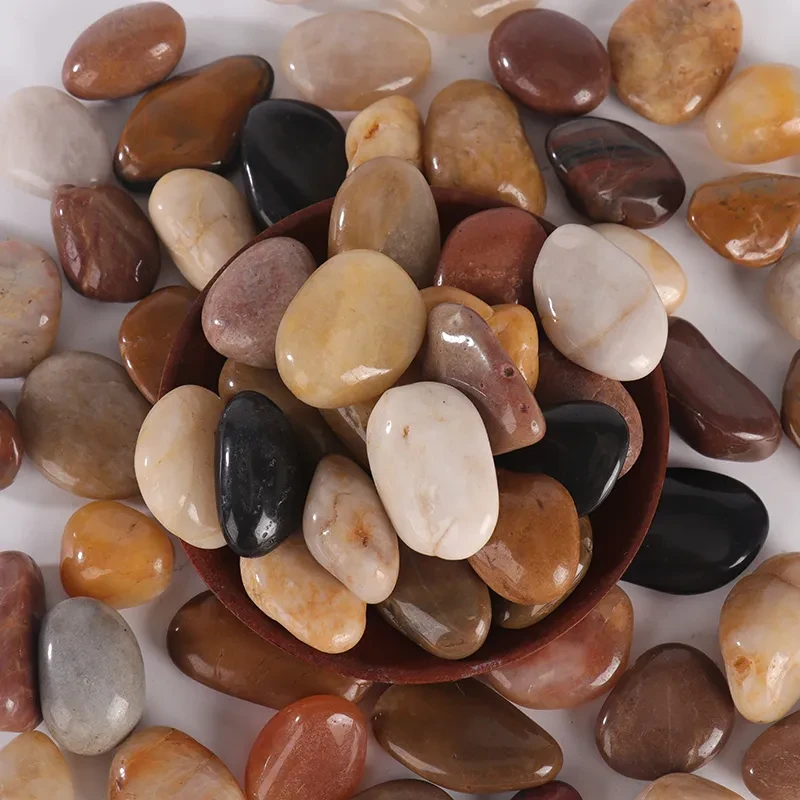
(decorative white pebbles for garden)
FAQS on decorative white pebbles for garden
Q: What are the best uses for decorative white pebbles in a garden?
A: Decorative white pebbles are ideal for creating pathways, bordering flower beds, or enhancing water features. They add a clean, modern aesthetic while suppressing weeds. Their reflective color also brightens shaded garden areas.
Q: How do I maintain the brightness of white decorative pebbles for my garden?
A: Rinse pebbles periodically with water to remove dirt, and gently scrub with a soft brush if discolored. Avoid harsh chemicals to preserve their natural look. Proper drainage helps prevent staining from soil or organic matter.
Q: What size of decorative white garden stones pebbles should I choose?
A: Opt for 1-2 inch pebbles for general landscaping and drainage purposes. Smaller gravel (0.5 inch) works for intricate designs, while larger stones (3+ inches) create bold focal points. Match sizes to your garden's scale and functional needs.
Q: Can white decorative pebbles for garden spaces harm plants?
A: When used as top dressing, they won’t harm most drought-tolerant plants like succulents or lavender. Ensure proper soil preparation and avoid piling pebbles against plant stems. They may retain heat, so monitor moisture-loving plants.
Q: Are decorative white garden pebbles suitable for all climates?
A: They perform well in most climates but may require extra cleaning in humid areas to prevent algae growth. In snowy regions, their bright color stays visible year-round. Frost-resistant varieties prevent cracking in freezing temperatures.
-
Green Jade Uses and Finish Choices for Buyers
NewsNov.02,2026
-
White Pebbles FAQ: Specifications, Ordering and Support Questions
NewsOct.28,2026
-
Premium Natural Cobblestone for Durable and Elegant Landscapes
NewsJul.01,2026
-
Professional Guide to Laying Cobblestones on Concrete for Homeowners
NewsJun.29,2026
-
Professional Guide to Laying Cobbles on Concrete for Driveways
NewsJun.27,2026
-
Premium Large Cobblestones for Garden and Landscape Design
NewsJun.26,2026