
Oct . 06, 2024 07:36 Back to list
black landscape rock
The Enigmatic Beauty of Black Landscape Rock
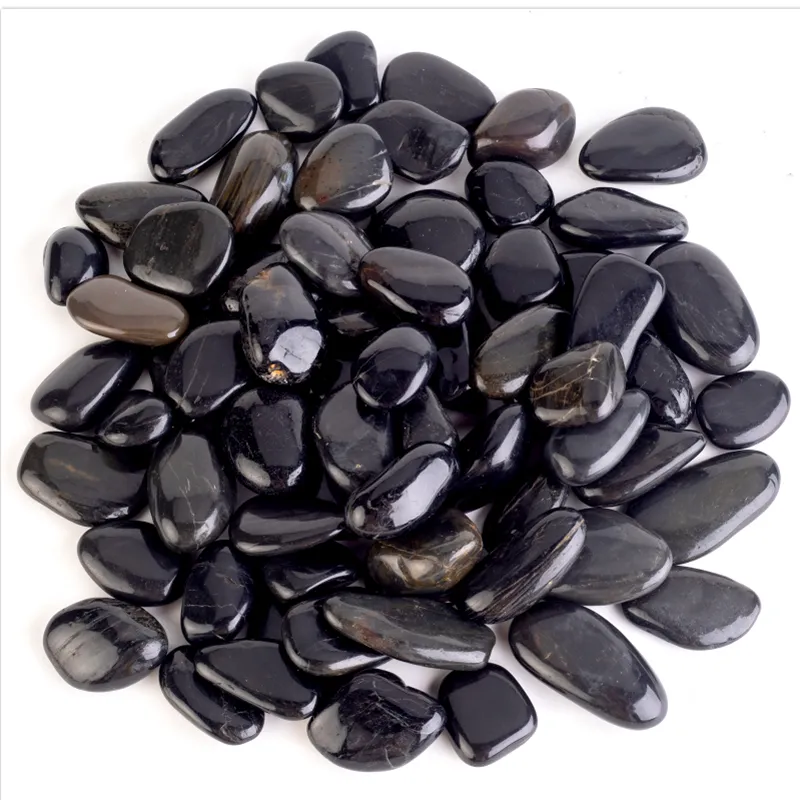
In the heart of nature, black landscape rock stands as a testament to the Earth's incredible history, its enduring beauty and resilience sculpted over millions of years. This unique geological formation, often found in various martian landscapes and mountainous terrains, showcases a compelling contrast against vibrant ecosystems and delicate flora. A closer examination of black landscape rock reveals not only its striking visual appeal but also its ecological and geological significance.
Black landscape rock, often formed from volcanic activity, consists primarily of basalt—a dense, fine-grained igneous rock that originates from the rapid cooling of lava. This rock captures the imagination and respect of all who encounter it, with its shadowy hue resembling the remnants of ancient fire and fury. The color black holds deep meanings; it can symbolize strength and stability in a world where change is the only constant. When we observe black landscape rock, we are reminded of the Earth's impressive ability to create beauty from destruction, showcasing the cyclical nature of life.
From a gardening perspective, black landscape rock is widely embraced for its aesthetic qualities and practicality
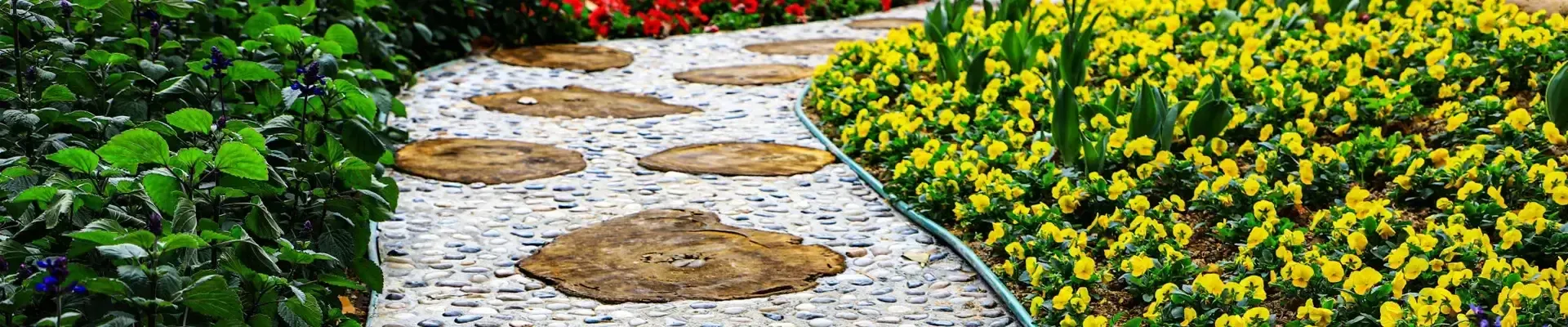
. It serves various purposes in landscaping, from creating visually striking contrasts with colorful plants to acting as a functional layer that helps with drainage and weed suppression. Homeowners and landscape designers often employ this natural stone to enhance the ambiance of gardens, pathways, and patios, providing a sleek, sophisticated touch that can elevate any outdoor space.black landscape rock
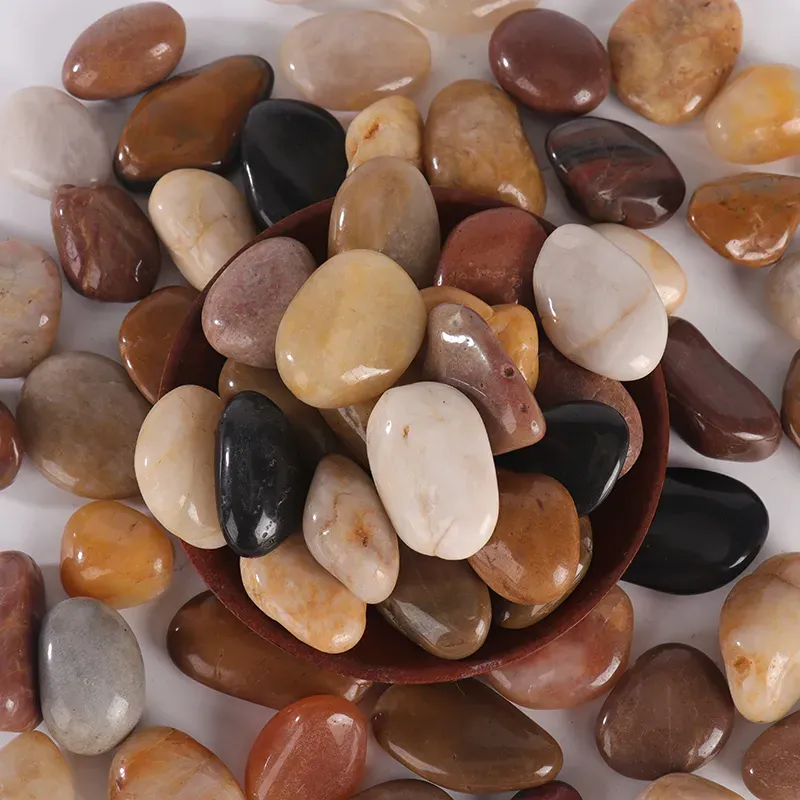
Beyond aesthetics, black landscape rock plays a crucial role in preserving the environment. It helps maintain soil health by retaining moisture and reducing erosion, making it particularly valuable in arid regions. Furthermore, the use of natural stones instead of synthetic materials presents an environmentally friendly option, aligning with modern sustainability practices in landscaping. As awareness of ecological issues increases, many are turning to black landscape rock as a way to enrich their greenery while minimizing their carbon footprint.
In addition to its practical applications in landscaping, black landscape rock also holds cultural significance in various societies. Throughout history, black stones have been used in construction and art, often representing strength, endurance, and permanence. Many ancient civilizations revered volcanic stones, attributing mystical and healing properties to them. Today, artists continue to be inspired by the organic forms and shimmering surfaces of black landscape rock, integrating it into sculptures and installations that provoke contemplation and admiration.
The allure of black landscape rock lies in its ability to connect us to the earth's majestic story. As we gaze upon its intricate layers and textures, we are reminded of the forces that shaped our planet and the timeless beauty that continues to inspire us today. This silent witness to time urges us to pause and appreciate the exquisite interplay of color, form, and texture bestowed by nature.
In conclusion, black landscape rock is more than just a decorative element in gardens and landscapes; it is a symbol of resilience, sustainability, and beauty. Its unique properties and cultural significance invite us to explore deeper connections with the natural world. As we incorporate these remarkable stones into our lives, we celebrate not only their beauty but also their role in creating harmonious, sustainable environments that resonate with the spirit of the Earth.
-
Green Jade Uses and Finish Choices for Buyers
NewsNov.02,2026
-
White Pebbles FAQ: Specifications, Ordering and Support Questions
NewsOct.28,2026
-
Premium Natural Cobblestone for Durable and Elegant Landscapes
NewsJul.01,2026
-
Professional Guide to Laying Cobblestones on Concrete for Homeowners
NewsJun.29,2026
-
Professional Guide to Laying Cobbles on Concrete for Driveways
NewsJun.27,2026
-
Premium Large Cobblestones for Garden and Landscape Design
NewsJun.26,2026